作者: admin

  • Mexico’s anti digital nomad backlash is Dominican Republic’s warning

    Mexico’s anti digital nomad backlash is Dominican Republic’s warning

    The rising tensions surrounding digital nomadism in Mexico City did not emerge overnight from mere café laptop sightings, but from systemic governmental failure to recognize a global workforce transformation as anything beyond a tourism niche. This institutional blindness to housing market disruptions, neighborhood identity erosion, and socioeconomic stratification now serves as a stark warning for the Dominican Republic.

    Mexico’s current turmoil exemplifies the consequences of allowing remote work migration to operate on autopilot. The initial fantasy—that digital nomads were merely affluent tourists with extended stays—collapsed when thousands began renting apartments for months, doubling local rents within years and transforming community spaces into English-speaking bubbles without corresponding income growth for residents.

    The Dominican Republic already exhibits identical patterns in neighborhoods like Piantini, Punta Cana, and Las Terrenas, where foreign remote workers negotiate salaries in stronger currencies, pay premium rents through tax-opaque platforms, and blur legal distinctions between visitors and residents. Despite official denial, economic realities mirror Mexico’s trajectory: landlords prioritizing foreign tenants, services recalibrating for dollar-based pricing, and governmental agencies maintaining outdated categorization systems.

    Mexico’s critical failure was institutional—the absence of mechanisms to track duration of stay, housing market impact, or obligations to host communities. This governance vacuum allowed speculation and digital platforms to dictate urban development until resentment became politically unavoidable.

    The Dominican Republic retains a narrow window to implement intelligent systems: simplified digital registration linking migration data with income verification, housing market safeguards preventing middle-class displacement, and structured integration initiatives connecting nomads with local universities and businesses. Fiscal clarity must replace gray zones to prevent the parallel societies emerging in Mexico, where globalized enclaves operate separately from increasingly marginalized locals.

    This challenge transcends tourism policy, demanding new institutions with cross-sector authority to manage mobility, data, and innovation simultaneously. The upcoming Digital Nomad Summit 2026 in Santo Domingo represents a critical forum for confronting these issues before street protests force reactive policies. Mexico’s experience is not a distant scandal but a preview of the Dominican future—a choice between proactive governance and becoming another case study in urban disruption.

  • President Simons belooft structurele aanpak problemen AZP

    President Simons belooft structurele aanpak problemen AZP

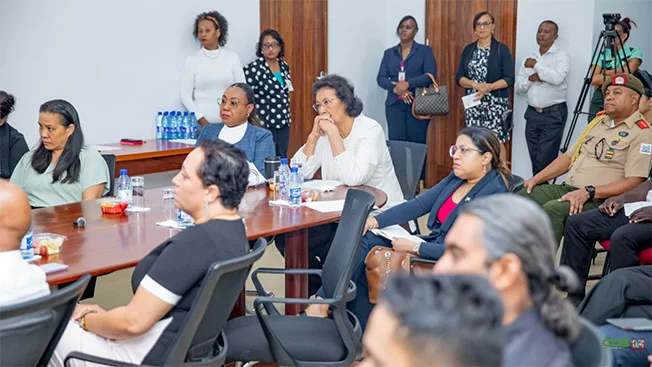
    Surinamese President Jennifer Simons has committed to addressing the chronic financial, organizational, and capacity challenges plaguing the Academic Hospital Paramaribo (AZP) during her Monday visit to the medical facility. The head of state emphasized that adequate and structural funding represents the cornerstone for resolving the institution’s operational difficulties.

    Through a series of presentations by medical specialists, President Simons gained comprehensive insight into the hospital’s daily operations and systemic constraints. She affirmed her administration’s dedication to securing essential financial resources that would enable effective problem-solving measures.

    Simons acknowledged that AZP’s challenges have persisted for considerable time, necessitating a methodical approach to safeguard healthcare quality standards. The government’s objective extends beyond hospital-specific improvements to encompass nationwide access to quality medical care for all citizens.

    AZP Director Claudia Marica-Redan characterized the presidential visit as strategically significant for collaborative planning regarding the institution’s future development. She presented the hospital’s roadmap for institutional strengthening, which commences with an acute repair phase in 2026 followed by a one-to-three-year recovery period. This transitional stage will include reinforcement of the hospital’s governance framework.

    The comprehensive briefing covered critical operational areas including emergency department services, intensive care units, neonatal care provisions, and infection control protocols. Director Redan particularly emphasized digital transformation’s role in enhancing organizational transparency and operational efficiency within healthcare delivery systems.

    “The roadmap’s final phase constitutes sustainable development, incorporating AZP’s reconstruction projects and further innovation initiatives,” Redan stated, confirming the hospital administration’s confidence in receiving full presidential support throughout implementation.

    President Simons utilized the occasion to address hospital staff ahead of holiday celebrations, expressing profound appreciation for nursing personnel’s dedication while encouraging continued commitment to patient care excellence. She confirmed that concrete structural improvements at AZP will commence implementation throughout 2026.

  • Security personnel reminded to renew licences by January 30

    Security personnel reminded to renew licences by January 30

    The Barbadian government has issued a formal reminder to all security professionals regarding an impending licensing renewal deadline set for January 30, 2026. This mandate applies comprehensively to private investigators, security guards, and agencies operating within the nation’s security sector.

    Under the stringent provisions of the Private Investigators and Security Guards Act CAP 372 (E), Section 14, operating without valid licensure constitutes a criminal offense. The legislation explicitly prohibits any individual or organization from providing security services without proper authorization. Violators face severe penalties including fines up to $5,000, imprisonment for a maximum of two years, or both sanctions concurrently.

    Renewal applications must be processed through the Investigation Unit at the Prime Minister’s Office, located within the Weymouth Corporate Centre on Roebuck Street, St. Michael. A critical requirement for renewal submission is a valid Police Certificate of Character, which maintains a six-month validity window from its issuance date.

    The regulatory framework extends specific provisions for non-national applicants, who must present documented evidence of either Barbadian residency, citizenship, or appropriate work permits authorizing their employment within the security industry. Organizations employing security services are strongly advised to verify the current licensing status of all personnel and agencies to ensure compliance with statutory requirements.

    For additional clarification or procedural guidance, authorities have designated Investigations Officer Paul Morris as the primary contact point. He can be reached via email at paul.morris@barbados.gov.bb or through telephone communication at 535-5467. This initiative is coordinated through the Barbados Government Information Service (BGIS) to maintain professional standards within the nation’s security apparatus.

  • Dangerous driving charge dismissed in crash that killed police officer Robert Dyer Jr

    Dangerous driving charge dismissed in crash that killed police officer Robert Dyer Jr

    In a significant judicial ruling, Magistrate Andrew Mighty has formally dismissed all charges against Dayneri Ferrer Vincent-Urlwyn, who had been accused of dangerous driving causing death in a tragic 2023 traffic incident that claimed the life of police officer Robert Benjamin Dyer Jr.

    The decision came after the magistrate determined that prosecutors failed to present a prima facie case sufficient to proceed to trial. The case centered on a collision occurring on September 4, 2023, along Sir Sydney Walling Highway, where Officer Dyer sustained fatal multiple injuries while operating his motorcycle.

    Critical evidence presented during proceedings revealed that the deceased officer was traveling at excessive speeds at the moment of impact, with additional documentation indicating his motorcycle lacked proper licensing. Magistrate Mighty further noted substantial evidentiary deficiencies in the prosecution’s submission, including the conspicuous absence of court-mandated toxicology reports and other forensic documentation crucial to establishing culpability.

    The magistrate’s ruling emphasized that these procedural and evidentiary shortcomings rendered the case unsustainable under judicial scrutiny. “The prosecution has failed to meet the requisite threshold for establishing criminal negligence,” Mighty stated in his summation, thereby determining the accused had no case to answer.

    The high-profile case had garnered considerable public interest due to Officer Dyer’s status as a serving police officer, though the judicial process ultimately prioritized evidential integrity over emotional considerations. The dismissal brings legal proceedings to a conclusive end unless prosecutors pursue appellate options.

  • Dr James questions Trinidad and Tobago’s approach to Caricom

    Dr James questions Trinidad and Tobago’s approach to Caricom

    Trinidad and Tobago finds itself at a critical juncture in foreign policy as prominent voices express diverging views on the nation’s regional alliances and international positioning. The escalating discourse centers on Prime Minister Kamla Persad-Bissessar’s recent criticism of the Caribbean Community (Caricom), with economist Dr. James questioning whether adequate justification has been provided for these diplomatic maneuvers. ‘I remain unconvinced that the grounds for her position have been sufficiently explained,’ Dr. James noted, suggesting the administration appears to be addressing perceived problems that may not yet exist.

    The debate has expanded to include concerns about national sovereignty amidst evolving global dynamics. Dr. James emphasized that despite the nation’s size, it must assert its independence: ‘The fact that I am small doesn’t mean that I am not my own man. I cannot allow another country, simply because it has money or power, to treat me however it likes.’

    Movement for Social Justice leader David Abdulah issued strong cautions against weakening Caricom ties, highlighting the economic necessity of regional trade relationships. ‘We cannot diss Caricom. We cannot seek to break our relationship with Caricom,’ Abdulah stated, pointing to limited access for Trinidadian manufactured goods in United States markets. He further questioned what tangible benefits the nation might gain from what he characterized as a pivot toward Washington, noting insufficient public scrutiny of potential economic or diplomatic returns.

    The political discourse intensified following Prime Minister Persad-Bissessar’s response to criticism from Antigua and Barbuda’s Prime Minister Gaston Browne, which included distancing Trinidad and Tobago from Caricom’s traditional ‘zone of peace’ position and accusations of the regional bloc aligning with Venezuela’s government.

    Adding judicial perspective to the conversation, Justice of Appeal and Presbyterian minister Frankie Seepersad urged consideration of broader regional contexts, particularly Venezuela’s mass migration crisis and territorial claims against Guyana. Speaking after a church service in Marabella, Seepersad warned against revisionist narratives that overlook recent instability: ‘Millions of people do not leave their homes because all is well.’ He called for honest discourse that acknowledges recent history and the plight of displaced populations when evaluating decisions aimed at restoring regional balance.

  • Clearer policy, action needed on rising drug use

    Clearer policy, action needed on rising drug use

    Barbados finds itself at a policy crossroads as its progressive cannabis reforms face unintended consequences and public scrutiny. What began as a well-intentioned effort to alleviate court congestion and prevent lifelong criminal records for minor marijuana offenses has evolved into a complex societal dilemma characterized by conflicting messages and implementation challenges.

    The Caribbean nation initially addressed its overwhelmed judicial system by decriminalizing small-scale marijuana possession through a ticketing system while simultaneously establishing a regulated medicinal cannabis industry. This dual approach mirrored global trends toward recognizing that minor drug offenses should not permanently derail lives or monopolize judicial resources.

    However, Supreme Court proceedings have revealed growing concerns about the policy’s execution. Senior Counsel Angella Mitchell-Gittens has highlighted fundamental inconsistencies in a system where one individual faces charges for possession while another legally obtains cannabis through medical channels—sometimes in shopping malls—for stress or minor complaints. This disparity has created perceptions of a double standard among young Barbadians, who historically faced harsh penalties for similar usage now deemed medically justified.

    Home Affairs Minister Wilfred Abrahams has acknowledged public unease regarding pervasive marijuana smoking at government-sanctioned events, including popular football matches. This visible public consumption contrasts sharply with official statements maintaining the drug’s illegal status for recreational use, creating confusion about enforcement priorities and legal boundaries.

    Mitchell-Gittens, drawing from extensive experience with pre-sentencing reports, has characterized marijuana use as an ‘epidemic’ linked to impaired judgment and increased criminal vulnerability among heavy users. Her concerns emphasize that without clear guidelines, the policy risks normalizing use without addressing underlying issues of mental health support, skills training, and employment opportunities that drive substance abuse.

    The current enforcement landscape appears increasingly ambiguous, with police adopting lenient approaches despite official prohibitions. Medical cannabis regulations face scrutiny regarding prescription integrity, as improper assessments could blur the distinction between legitimate treatment and recreational use. Barbados now confronts the challenge of reconciling its progressive drug policy ambitions with the practical realities of implementation, requiring coordinated investments in social services and consistent messaging to achieve meaningful reform.

  • Olympic Gold Medalists Return to Antigua and Barbuda for High Performance Training Experience.

    Olympic Gold Medalists Return to Antigua and Barbuda for High Performance Training Experience.

    Antigua and Barbuda is set to welcome an impressive delegation of world-class Olympic athletes for a specialized off-season training camp from December 26, 2025, to January 3, 2026. The delegation will be led by Rai Benjamin, the celebrated Olympic gold medalist and World Champion widely recognized as one of history’s finest 400-meter hurdlers. Benjamin, who has earned the local moniker ‘King Ben,’ will be accompanied by ten other elite competitors.

    The distinguished roster includes Antigua’s own track stars Cejhae Green and Joella Lloyd, alongside international standouts such as Vernon Norwood, an Olympic gold medalist and World Championship medalist known for his crucial contributions to the United States men’s 4×400-meter relay team. The group also features Jasmine Jones, a top American sprinter and hurdler who recently secured a silver medal in the 400-meter hurdles at the Tokyo Olympics.

    Additional participants include accomplished athletes Raevyn Rogers, Shae Anderson, Sammy Watson, Kendall Ellis, and Allie Jones, all possessing extensive experience competing at the highest echelons of international track and field. The team will be under the guidance of Joanna Hayes, an Olympic gold medalist turned internationally renowned coach, celebrated for her ongoing success in developing world-class athletic talent.

    A highlight of the visit will be a special meet-and-greet and training clinic for local aspiring athletes, scheduled for December 29 at the YASCO Sports Complex. This initiative will provide young Antiguan track and field hopefuls with an unprecedented opportunity to train alongside and receive direct instruction from Olympic champions and seasoned professionals.

    Shawnor Joseph, the newly elected President of the Antigua Athletics Association, expressed strong enthusiasm for the upcoming clinic, highlighting its significant potential for athletic development in core disciplines for both Antiguan coaches and athletes. Joseph stated, ‘The Antigua and Barbuda Athletics Association is extremely proud to welcome back Rai Benjamin and his Hayestack training team. We view the clinic as an important investment in athlete development that will have a meaningful impact on our coaches and athletes.’

    The Ministry of Tourism, Civil Aviation, Transportation and Investment, serving as the major sponsor through its Department of Sports Tourism, emphasized the strategic value of hosting elite athletes. Tourism Minister Charles Fernandez noted that the visit strengthens Antigua and Barbuda’s emerging reputation as a preferred destination for high-performance sport, athlete development, and substantive sports tourism engagement.

  • Development Permit Mandatory for All Land Development in Antigua and Barbuda

    Development Permit Mandatory for All Land Development in Antigua and Barbuda

    The Government of Antigua and Barbuda has enacted a sweeping regulatory mandate requiring development permits for all land development activities across the twin-island nation. This comprehensive policy shift represents a significant strengthening of the country’s land use governance framework and environmental protection protocols.

    The new regulations, administered through the Development Control Authority (DCA), establish a standardized approval process applicable to both commercial and residential projects regardless of scale. The mandate encompasses everything from minor structural modifications to large-scale commercial developments, effectively closing previous loopholes that allowed certain projects to proceed without formal oversight.

    Prime Minister Gaston Browne emphasized that this universal permit requirement addresses critical gaps in the nation’s sustainable development strategy. “This isn’t merely about regulation—it’s about responsible stewardship of our limited land resources,” Browne stated during the policy announcement. “We’re ensuring that every development project aligns with our national vision for environmentally conscious growth.”

    The regulatory framework introduces tiered review processes based on project complexity, with streamlined procedures for small-scale residential projects and comprehensive environmental impact assessments for major developments. The implementation includes provisions for public consultation on projects with significant community impact, enhancing transparency in the approval process.

    Environmental advocacy groups have welcomed the policy as a landmark achievement in conservation efforts. The mandate specifically strengthens protections for coastal areas, watersheds, and wildlife habitats that were previously vulnerable to unregulated development.

    The permit system also incorporates climate resilience standards, requiring developers to demonstrate how projects will withstand increasingly severe weather events—a crucial consideration for the Caribbean nation facing climate change challenges.

    Economic analysts note that while the regulations introduce additional compliance requirements, they create long-term stability for investors by establishing clear development parameters and reducing legal uncertainties surrounding land use disputes.

    The implementation timeline includes a 90-day grace period for projects already in progress, with the DCA establishing expedited review channels to minimize disruption to the construction sector during the transition to the new regulatory environment.

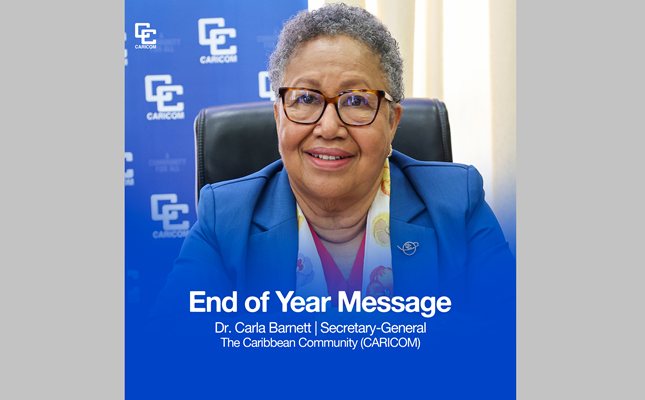
  • End of Year Message from Dr Carla Barnett, Secretary-General of the Caribbean Community (CARICOM)

    End of Year Message from Dr Carla Barnett, Secretary-General of the Caribbean Community (CARICOM)

    In her annual year-end message, Dr. Carla Barnett, Secretary-General of the Caribbean Community (CARICOM), delivered a comprehensive assessment of the region’s tumultuous year while highlighting significant institutional progress. The address, disseminated from the CARICOM Secretariat in Georgetown, Guyana on December 22, 2025, acknowledged the devastating impacts of Hurricane Melissa which followed closely on the heels of 2024’s Hurricane Beryl, causing substantial destruction in Jamaica and Haiti. Dr. Barnett emphasized that recovery efforts would demand considerable resources and extended timeframes given the scale of devastation.

    Beyond natural disasters, the Secretary-General noted that unprecedented geopolitical tensions had threatened regional export earnings, peace, and sovereignty throughout the year. Despite these compounded challenges, Dr. Barnett highlighted the Community’s characteristic resilience, with member states collaborating urgently to address critical post-hurricane needs and implementing creative solutions to safeguard economic stability and livelihoods.

    Significant institutional advancements were achieved in regional integration, particularly through the CARICOM Single Market and Economy (CSME) framework. Barbados, Belize, Dominica, and St. Vincent and the Grenadines committed to full free movement of persons among themselves, establishing foundations for enhanced economic activity and people-to-people connections. The development of a comprehensive CARICOM Industrial Policy and Strategy progressed substantially, aiming to strengthen productive capacity, innovation, and economic diversification across member states.

    Agricultural initiatives under the 25 by 2025+ strategy demonstrated production growth despite climate-related setbacks, while cultural celebrations during CARIFESTA XV in Barbados showcased regional artistic talent. Democratic processes remained robust with seven Member States and five Associate Members conducting peaceful general elections throughout the year.

    The Secretary-General emphasized ongoing commitments to human capital development, particularly focusing on youth and women’s participation in economic activities and decision-making processes. Future priorities include examining Artificial Intelligence implications for regional business practices, expanding physical and digital connectivity, strengthening disaster resilience, and enhancing food and nutrition security programs.

    Dr. Barnett expressed gratitude to CARICOM citizens, Secretariat staff, international partners, civil society organizations, private sector representatives, labor movements, and the Caribbean diaspora for their sustained advocacy and engagement. She concluded with confidence in the Community’s ability to address forthcoming challenges, referencing strategic outcomes from Heads of Government meetings in Barbados and Jamaica covering trade, security, foreign policy coordination, reparations, governance, human development, and climate change initiatives.

  • Probe underway into Central College Street blaze

    Probe underway into Central College Street blaze

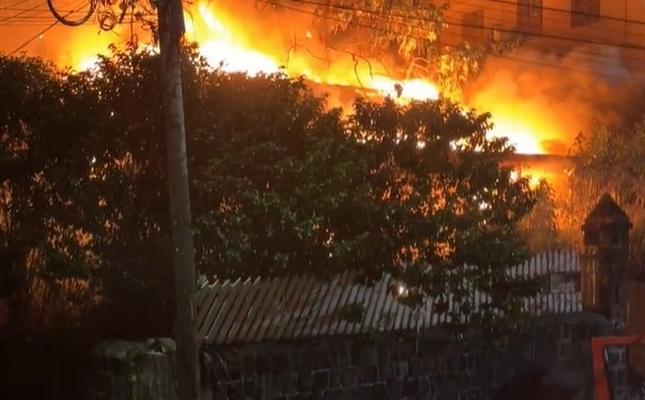
    BASSETERRE, St. Kitts – Fire and Rescue Services personnel are receiving widespread praise for their rapid intervention that contained a significant fire incident on College Street Ghaut Sunday evening, December 22, preventing what could have become a catastrophic neighborhood event.

    The emergency response was activated shortly after 9:00 p.m. when reports alerted authorities to flames erupting in the area. Multiple units from the St. Kitts and Nevis Fire and Rescue Services were immediately deployed to the location.

    Investigative reporting confirms the destroyed property was an unoccupied wooden structure that previously served as the professional offices of the deceased Dr. Claxton. The derelict building had been abandoned for some time prior to the incident.

    Fire suppression teams executed a coordinated attack on the blaze, utilizing water and chemical retardants to combat the advancing flames. Reinforcement was provided by an auxiliary fire tender from Robert L. Bradshaw International Airport, enhancing operational capacity at the scene.

    Despite confronting difficult firefighting conditions, crews successfully subdued the conflagration by approximately 10:00 p.m. Bystanders documented the intense firefighting efforts through mobile video recordings during the operation. Official reports confirm no casualties or injuries resulted from the incident.

    While the abandoned structure suffered total destruction, the strategic containment efforts successfully protected adjacent properties from damage. Authorities have launched a formal investigation to establish the precise origin and circumstances that ignited the fire.