
A landmark new addition to Caribbean music has officially entered the global streaming space, as the Antigua and Barbuda Festivals Commission unveiled *Black Pineapple Riddim* — a genre-bending collaborative project that grew directly out of the commission’s 2025 Music Producers’ Masterclass: Audio Essentials. Led by internationally celebrated music producer Kasey Phillips, founder and CEO of Precision Productions, the hands-on workshop was crafted to uplift homegrown creative talent in Antigua and Barbuda, equipping local producers, songwriters and performers with industry-leading knowledge across production, sound engineering, songcraft, and the modern business of Caribbean music. Today, that initial investment in local creative development has matured into a release already being celebrated as a transformative contribution to Antigua and Barbuda’s iconic soca scene. More than just a compilation of tracks, *Black Pineapple Riddim* marks a defining milestone in the ongoing evolution of Antiguan popular music, serving as a deliberate, bold exploration of the twin islands’ cultural identity, rhythmic heritage and national spirit through sound. The project draws deep inspiration from legendary Antiguan musical trailblazers such as Burning Flames, while weaving in contemporary Caribbean sonic influences and smooth R&B textures to strike a careful balance between long-held tradition and forward-thinking innovation. At its creative core, the riddim confronts a central question that has shaped the expanding Antiguan soca movement in recent years: What makes a distinctly Antiguan sound? The answer comes to life in a dynamic listening experience that pairs the unmistakeable, high-energy “kang-kang” rhythm, a nod to the iconic cowbell pattern of the legendary *Debble Riddim*, with lush modern synthesizers, updated grooves and authentic storytelling rooted in Caribbean life. Boasting an all-star lineup of exclusively Antiguan and Barbudan talent, the project features standout contributions from celebrated performers Tian Winter, Drastic, DmitriB, Arlen Seaton, and Nikki Nooks. Each artist brings one-of-a-kind creative perspective and sonic flair to the compilation, resulting in a musical “pepperpot” that vividly reflects the extraordinary diversity and rich cultural tapestry of Antigua and Barbuda. Ambassador Elizabeth Makhoul, a leading driving force behind the original masterclass initiative, praised the finished project as powerful proof of the value of investing in local creative ecosystems. “The fact that this full project grew directly from that workshop is truly remarkable,” Makhoul shared. “It speaks to the incredible depth of talent we have right here in Antigua and Barbuda, and underscores why continued investment in our creatives and cultural industries is so critical.” Produced, mixed and mastered in full by Phillips’ Precision Productions, the five-track compilation holds a cohesive sonic identity while giving each artist and track space to retain its unique creative voice. The full track listing includes DmitriB’s “So What,” written by Dmitri Bernard Erv Baptiste; Nikki Nooks’ “Last Time,” written by Nikki Nooks with background vocals from Cleavon “Cjae” Childs and Chestine James; Arlen Seaton’s “Neighbah,” penned by Charles Arlen Seaton and Blashford Wilkins; Drastic’s “Shalom,” written by Art “Drastic” Philip; and Tian Winter’s “Want Um,” co-written by Cleavon “Cjae” Childs and Tian Winter with background vocals from Childs. Additional credits list all tracks as co-written by Kasey Michael Phillips, with guitar work by Kyle Peters, created in official collaboration with the Antigua and Barbuda Festivals Commission. As of its official launch, *Black Pineapple Riddim* is available for streaming worldwide on YouTube and all major digital music platforms, bringing the distinct sound of modern Antiguan soca to global audiences.
作者: admin
-
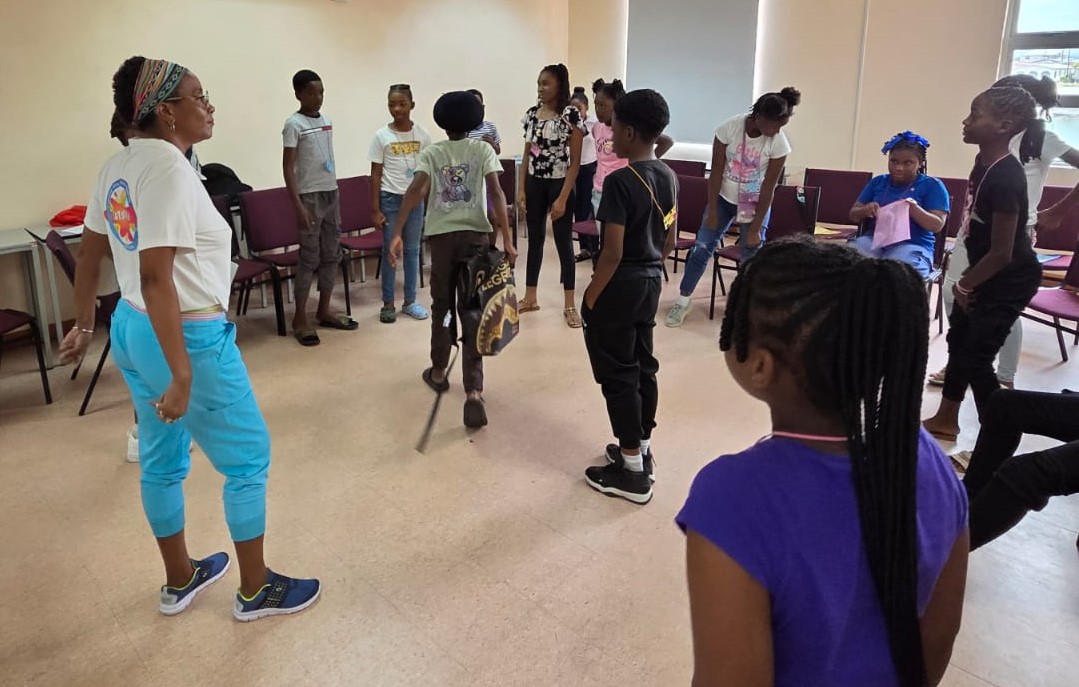
Pinelands Creative Workshop launches programme to ease 11-Plus anxiety
For thousands of young students moving from primary to secondary education, the jump in academic expectations, combined with pre-exam stress and uncertainty about new social environments, can derail even the most motivated learners. Now, a community-focused organization is stepping in with a creative, accessible solution to support the most vulnerable members of this student population.
The Pinelands Creative Workshop, a community arts and education non-profit, has launched Finding Your Balance, a ground-breaking new initiative designed to address two growing challenges: widening academic gaps for at-risk pupils and the rapid rise of exam anxiety ahead of the critical 11-Plus examination, which determines secondary school placement.
Funded by the Maria Holder Memorial Trust, the programme specifically targets students who are falling behind academically or feeling overwhelmed by the impending transition to secondary education. Speaking on Saturday, Pinelands Creative Workshop Chief Executive Officer Sophia Greaves outlined the urgent need that prompted the programme’s creation, noting that the organization had observed alarming gaps in student proficiency ahead of exam season.
“We were seeing a trend where a number of our students… were operating basically at a very early stage, like Class 1, and having significant challenges,” Greaves explained. “Along with that, we saw anxiety issues that normally come as we move towards exam mode.”
Unlike traditional tutoring programmes that rely on rote learning and carry steep costs that put them out of reach for low-income families, Finding Your Balance leverages creative arts interventions including drama, sound-based activities and movement work to equip students with practical social and emotional skills. These tools help young learners navigate common secondary school challenges such as bullying, interpersonal conflict, and the increased academic rigour of higher-level classes. Crucially, the programme also fills an academic gap for families who cannot afford private supplementary tutoring, providing free or low-cost support that continues from a student’s first year of secondary school all the way through to their Caribbean Examinations Council (CXC) exams.
Greaves explained that secondary school classroom dynamics create inherent gaps that the initiative is designed to address, noting that the programme is built to complement, rather than replace, the support offered in mainstream school settings. “The primary reality is that secondary school is not as supportive as primary school,” she said. “Classes are 30 children; there’s no way a teacher can get over concepts with 30 children of different abilities at the same time. We are trying to be complementary to what is offered in schools.”
Recognizing that student success depends on whole-family support, the initiative also extends beyond the student population to engage caregivers through the organization’s “Parenting with a Purpose” seminar series. These sessions provide parents and guardians with holistic social and emotional resources to help them support their children through this pivotal educational transition, ensuring that support reaches every part of a student’s life.
-
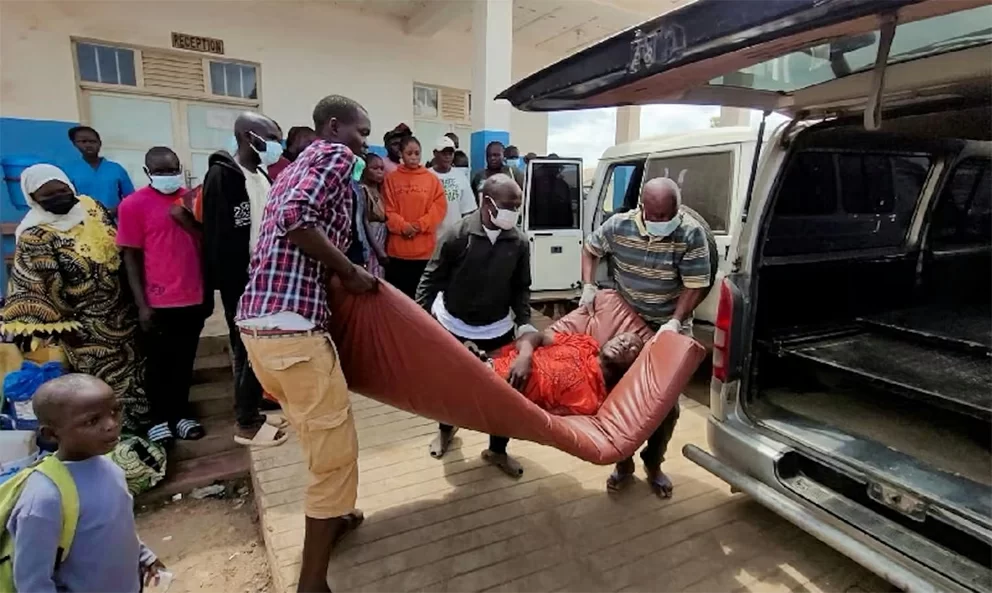
WHO: Ebola-uitbraak in Congo en Oeganda internationale noodsituatie
The World Health Organization (WHO) has issued a declaration classifying the ongoing Ebola outbreak caused by the rare Bundibugyo strain spreading across the Democratic Republic of the Congo (DRC) and Uganda as a Public Health Emergency of International Concern (PHEIC), the highest level of global public health alert.
As of the latest official updates, the outbreak has been linked to 80 suspected deaths and 9 laboratory-confirmed infections, with the vast majority of cases concentrated in eastern DRC’s Ituri Province. Health authorities have recorded 246 suspected cases across multiple affected health zones in Ituri, including Bunia, Rwampara and Mongbwalu. Confirmed infections have also been detected far from the initial outbreak zone: one case was reported in Kinshasa, the DRC’s national capital, in a traveler returning from Ituri, and another confirmed infection was documented in Goma, per a statement from M23 rebel groups that control parts of North Kivu province. Across the border in Uganda, two confirmed cases have been registered in the capital Kampala, both involving travelers who arrived from the DRC, and one of those cases has already resulted in a death.
While WHO officials stress that the current outbreak does not meet the criteria to be classified as a pandemic, the global health body has issued a stark warning that neighboring countries sharing a border with the DRC face a high risk of cross-border spread. In response to this risk, WHO has urged at-risk nations to immediately activate national emergency response plans, step up border health screening protocols, and implement systematic Ebola testing at major domestic transit routes.
This outbreak is considered exceptional for a key reason: unlike the far more common Ebola Zaire strain, for which fully approved vaccines and targeted treatments are widely available, no licensed therapeutics or vaccines currently exist to combat the Bundibugyo strain. Like other Ebola variants, the Bundibugyo virus causes severe acute illness, with common symptoms including high fever, muscle pain, vomiting and severe diarrhea. It spreads through direct contact with infected bodily fluids or contaminated materials from infected individuals.
To slow transmission, WHO has recommended that confirmed patients and their close contacts avoid all international travel except for urgent medical evacuation, and has mandated immediate isolation and daily active monitoring for all exposed and infected people. At the same time, the organization has strongly advised against full border closures or widespread trade restrictions, warning that such measures would push cross-border movement underground to unregulated unofficial crossing points, increasing the risk of unmonitored spread rather than containing it.
The DRC holds a long-standing connection to Ebola: the virus was first identified in the country’s central rainforest region in 1976, and the nation has now experienced 17 separate Ebola outbreaks since that initial discovery, most of which have been caused by the Zaire strain. The DRC’s dense tropical rainforest provides a natural reservoir for the virus, which circulates in wild animal populations before spilling over to human communities.
In response to the escalating outbreak, Jean Kaseya, Director of the Africa Centres for Disease Control and Prevention, has requested updated technical response guidelines and is currently evaluating whether to classify the event as a continental-level public health emergency, signaling growing African regional concern over the outbreak’s trajectory.
-

One dead, another injured in Jackmans shooting
A violent early-morning shooting in the Jackmans neighborhood of St. Michael has left one man dead and a second man hospitalized, according to official updates from Barbados law enforcement. The incident unfolded on Skeetes Road in the pre-dawn hours of Sunday, triggering an immediate investigation from local police.
The Barbados Police Service confirmed that its Operations Control unit first received the emergency report of the gun violence at approximately 2:10 a.m. Responding officers were dispatched to the scene without delay, where they made a grim discovery: the lifeless body of an adult male positioned between two parked motor vehicles, near a local event that was taking place in the area.
Following the initial assessment of the scene, a licensed medical examiner was called to the site to formally confirm and pronounce the man’s death. Law enforcement have not yet released the identity of the deceased pending notification of next of kin.
A second male involved in the incident suffered gunshot injuries and was transported to the island’s primary care facility, the Queen Elizabeth Hospital, by a private motor vehicle before officers arrived. As of the latest update, medical authorities have not released a public update on the injured man’s condition.
Local investigators are now working to piece together the circumstances that led to the shooting, and are actively calling on members of the public with any relevant information to step forward. Anyone who was present in the Skeetes Road area in the early hours of Sunday morning, witnessed the shooting unfold, or has any details that could assist the investigation is encouraged to reach out through multiple confidential contact channels.
Tips can be submitted anonymously via the Crime Stoppers Hotline at 1-800-8477, through the national police emergency line at 211, or directly to investigators at District A Police Station by calling either 430-7242 or 430-7246. Police have not yet announced any suspects in connection with the shooting as the investigation remains ongoing.
-
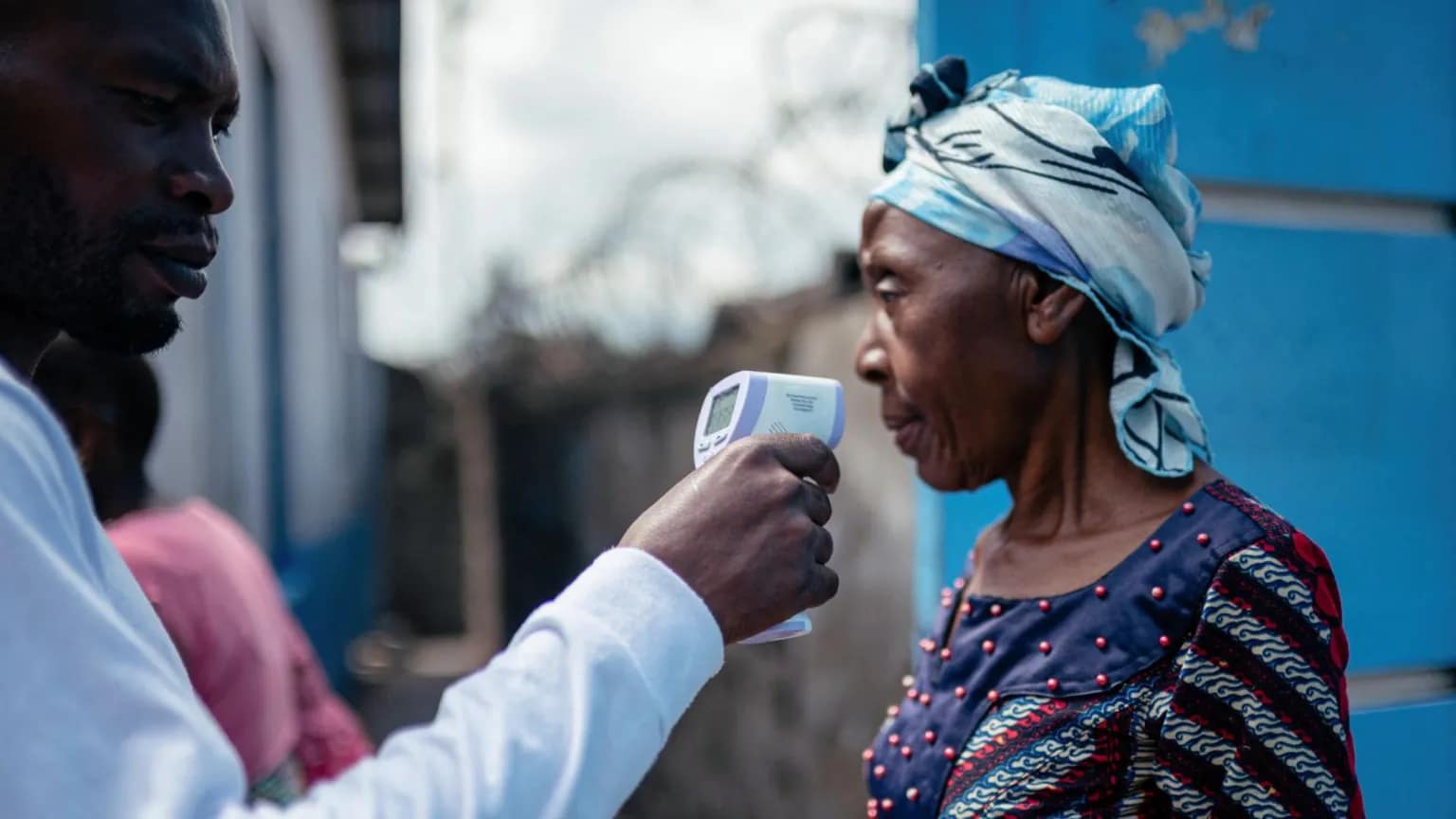
WHO declares Ebola outbreak in DR Congo a global health emergency
In a high-stakes announcement, the World Health Organization (WHO) has formally designated the ongoing Ebola outbreak in the eastern Democratic Republic of the Congo (DRC) a Public Health Emergency of International Concern (PHEIC), the global health body’s highest level of alert. While the current outbreak, centered in Ituri province, does not meet the strict criteria to be classified as a pandemic, the WHO has issued urgent warnings that undetected transmission could allow the virus to grow far beyond the currently confirmed and suspected case counts, with major risks of local and regional expansion.
The outbreak is caused by the Bundibugyo strain of Ebola, a pathogen for which no specifically approved vaccines or antiviral treatments currently exist. As of the latest update, health authorities have logged eight laboratory-confirmed cases, with 246 suspected cases and 80 reported deaths across three high-risk health zones: Bunia, the provincial capital of Ituri, and the gold-mining hubs of Mongwalu and Rwampara. One confirmed case has already reached the DRC’s national capital, Kinshasa, linked to a patient who had traveled from the outbreak zone. The virus has also crossed international borders, with two confirmed cases recorded in neighboring Uganda; one of those cases, a 59-year-old Congolese man, died last week, and his remains have been repatriated to the DRC. Separately, AFP has confirmed that an additional Ebola case has been detected in Goma, a city in eastern DRC currently held by M23 rebel forces, complicating response efforts.
Multiple overlapping factors have amplified the risk of widespread transmission, the WHO explained. Decades of ongoing conflict in eastern DRC have created a severe humanitarian crisis, paired with high rates of population movement, an outbreak epicenter located in an urban area, and a large network of unregulated informal health facilities. These conditions make monitoring and controlling the virus particularly challenging. Neighboring countries are classified as high-risk due to constant cross-border trade and travel flows.
To curb the outbreak, the WHO has advised both the DRC and Uganda to immediately activate emergency operations centers to coordinate surveillance, contact tracing, and infection prevention protocols. The agency recommends confirmed cases be placed in immediate isolation, with release only after two negative virus-specific tests collected at least 48 hours apart. Countries bordering affected regions have been instructed to boost routine surveillance and mandatory health reporting. Critically, the WHO has urged nations outside the affected zone to refrain from closing borders or imposing unnecessary travel and trade restrictions, noting that such actions are typically driven by fear rather than scientific evidence.
WHO Director-General Dr. Tedros Adhanom Ghebreyesus emphasized that major uncertainties remain around the true scale of the outbreak, including the actual number of infected people and how far the virus has already spread geographically. First identified in 1976 in what is now the DRC, Ebola is believed to originate from bat populations, and this current event marks the 17th outbreak the country has faced since the virus was first discovered. The virus spreads through direct contact with bodily fluids or broken skin, triggering symptoms that progress from early fever, muscle pain, fatigue, headache, and sore throat to vomiting, diarrhea, rash, and internal or external bleeding, often leading to organ failure and death. The WHO records an average fatality rate of roughly 50% for Ebola, and no universally proven cure exists for the disease.
The Africa Centres for Disease Control and Prevention (Africa CDC) has previously echoed these concerns, noting that the outbreak’s presence in densely populated urban areas of Rwampara and Bunia, paired with mobile mining workforces in Mongwalu, creates extreme conditions for rapid spread. Africa CDC Executive Director Dr. Jean Kaseya stressed that large-scale cross-border population movement between affected areas and neighboring countries makes coordinated regional response non-negotiable.
Since Ebola was first discovered 50 years ago, roughly 15,000 people across African nations have died from the disease. The DRC’s deadliest Ebola outbreak on record occurred between 2018 and 2020, when nearly 2,300 people lost their lives. Just last year, an outbreak in a remote region of the country killed 45 people, underscoring the persistent threat of viral flare-ups in the region.
-

OP-ED: Beyond the boom -The ECCU’s decade of decision
Six years after a 2020 analysis warned that the Eastern Caribbean Currency Union (ECCU)’s overreliance on tourism exposed the bloc to dangerous, unaddressed concentration risk, new economic data confirms the original thesis while revealing a shifting landscape of threats and underdeveloped growth opportunities for the small island bloc. In this updated commentary, veteran Caribbean finance executive Fletcher St. Jean revisits his 2020 framework, incorporating half a decade of new data, systemic global shocks, and unprecedented institutional shifts to offer a refreshed strategic roadmap for the region’s leaders.
The 2020 prediction that tourism would retain its position as the ECCU’s primary economic engine has been fully vindicated, per the Eastern Caribbean Central Bank (ECCB)’s 2024-2025 Annual Report. Visitor arrivals across most member states have surpassed pre-pandemic peaks, expanded construction activity has lifted fixed investment, and the bloc’s average debt-to-GDP ratio has edged down from 77% to 76% — marking the first sustained improvement in the metric since 2008. But this impressive recovery has come at a cost: it has deepened, rather than relieved, the concentration risk the 2020 analysis flagged. Before COVID-19, tourism contributed 30% to 40% of total GDP across the ECCU, and accounted for more than half of foreign exchange earnings in several member states. Today, that reliance is even greater, leaving the bloc just one global shock away from systemic economic collapse. The ECCB itself has acknowledged that its ambitious “Big Push” goal — doubling the size of the ECCU economy over the next 10 years — cannot be achieved by expanding tourism alone. After decades of discussing economic diversification as a theoretical priority, the bloc must now move from policy communiques to tangible implementation.
Of all the shifts that have reshaped the ECCU’s economic landscape since 2020, the transformation of the bloc’s Citizenship by Investment (CBI) programs is the most rapid and high-stakes. Where the 2020 analysis only noted growing external pressure on CBI from major global powers, the question in 2026 is whether existing CBI models will survive to the end of the decade. Three landmark developments have altered the operating environment permanently: the United Kingdom revoked visa-free access for Dominican passport holders in 2023 over CBI due diligence concerns; the European Court of Justice ruled Malta’s investor citizenship program illegal in 2025, establishing a precedent that bans transactional citizenship schemes; and the European Commission’s 2025 Visa Suspension Mechanism report confirmed that operating CBI programs alone qualifies as grounds for revoking Schengen visa-free access.
In response, ECCU member states have carried out the most sweeping institutional reform of CBI in the program’s 40-year history. A 92-article draft agreement signed in July 2025 established the Eastern Caribbean Citizenship by Investment Regulatory Authority (ECCIRA), a supranational regulator headquartered in Grenada that will launch operations in early 2026. The new regime introduces a harmonized $200,000 minimum investment floor, mandatory biometric due diligence, required applicant interviews, annual application caps, a 30-day in-country residency requirement, and five-year initial passport validity tied to ongoing compliance. While the reforms address international credibility concerns, they have already delivered significant fiscal headwinds: St. Kitts and Nevis recorded a 60% drop in CBI revenue in 2024 alone, pushing its budget deficit to an estimated 11% of GDP. For member states that have long relied on CBI inflows to fund capital projects, the new regime means a structurally lower revenue ceiling, forcing leaders to rethink how they deploy the capital CBI still generates. For St. Jean, this shifting landscape opens a clear path to pivot toward the ECCU’s most underexploited high-growth sector: medical tourism.
The global medical tourism industry is one of the fastest-growing service sectors worldwide, valued at an estimated $76 billion in 2025 and projected to hit $174 billion by 2035, with an 8.4% compound annual growth rate. Regional peers have already capitalized on this boom: Barbados built a $538 million medical tourism sector by 2024, projected to reach nearly $950 billion by 2034, while the Cayman Islands’ Health City has proven that a single well-capitalized, internationally accredited tertiary facility can transform a small island’s healthcare and economic profile. The ECCU, by contrast, has negligible market share, despite holding natural advantages including ideal geography, climate, and proximity to major source markets in North America. The gap stems not from a lack of potential, but from a failure to allocate sufficient capital to upgrade local tertiary facilities to meet international accreditation standards, leaving the multi-hundred-million-dollar opportunity to regional competitors.
St. Jean argues that redirecting a portion of declining CBI revenue into medical tourism delivers three simultaneous strategic benefits: it creates a durable new export sector to generate foreign exchange, it lifts the quality of domestic healthcare for ECCU citizens, and it demonstrates to international partners that CBI capital is deployed for genuine, sustainable development. His concrete proposal calls for member states to earmark a minimum 25% of net CBI inflows to a dedicated Regional Medical Excellence Fund (RMEF). The fund would be used to build or upgrade one internationally accredited tertiary specialty center per member state, with distributed specialty focuses across the bloc to avoid redundant competition. High-demand specialties including cardiology, orthopaedics, oncology, fertility treatment, renal care, and rehabilitation medicine all play to the ECCU’s competitive advantage on cost, quality, and climate, the key drivers of patient choice in medical tourism. St. Jean projects that a single mid-sized specialty center attracting 700 to 1,000 international patients annually would generate $17 million to $25 million in gross revenue per year. Across the bloc’s seven member states, properly specialized medical tourism could generate $150 million to $250 million in annual revenue within a decade — a total that compares favorably to declining CBI revenues, and is far more economically durable. Every year of delayed action only makes capturing market share more difficult, St. Jean warns.
Beyond shifts in CBI and medical tourism, the ECCU now faces a historic global energy supply shock triggered by the February 2026 closure of the Strait of Hormuz following armed hostilities. The International Energy Agency has called this the greatest threat to global energy security in history, with daily ship transits falling from 130 in February to just 6 in March. Brent crude prices, which averaged $67.74 in 2025, spiked 65% at the peak of the crisis and remain above $100 per barrel even after an April ceasefire. For the ECCU, which imports nearly 100% of its energy as refined petroleum products, the impacts are immediate: higher energy costs push up electricity prices, transportation fares, and food prices (driven by spiking fertilizer costs, as more than 30% of global urea trade passes through the Strait of Hormuz), while eroding tourism operating margins. While the Eastern Caribbean dollar’s peg to the U.S. dollar protects the bloc from currency-driven import inflation, it does not offset underlying global price increases already visible in 2026 early data.
The crisis has also accelerated a hemispheric energy realignment that has been unfolding since Guyana began commercial oil production in 2019. By February 2026, Guyana was producing 926,550 barrels of oil per day from the Stabroek Block, overtaking Venezuela to become South America’s second-largest oil producer, with output projected to hit 1.7 million barrels per day by 2030. The Guyanese economy grew 19.3% in real terms in 2025, with a further 16.2% growth projected for 2026. Critically for the ECCU, Guyana is now transitioning from a pure oil producer to a potential regional energy supplier. Its Liza gas-to-energy project, on track to launch by the end of 2026, will supply natural gas to a 300-megawatt domestic power plant, displacing expensive fuel oil. ExxonMobil’s proposed Longtail development could eventually deliver up to 1.5 billion cubic feet of natural gas per day through a dedicated LNG export facility. With many Caribbean countries spending up to 15% of GDP on fuel imports for power generation, and traditional regional supplier Trinidad and Tobago seeing LNG exports fall 40% since the pandemic, a regional energy partnership with Guyana is no longer a hypothetical. ECCU member states that position themselves as anchor offtake partners between 2026 and 2028 will lock in far better long-term energy prices than those that delay action, St. Jean argues.
On the food security front, the 2020 analysis called for greater public investment in commercial agriculture and fisheries, lower borrowing costs for farmers, and a fully functional internal market for regional agricultural goods. CARICOM responded with the “25 by 2025” initiative, which aimed to cut the bloc’s $6 billion annual food import bill by 25% by the end of 2025. The target was not met, and the initiative was extended to 2030 and rebranded “25 by 2025+5” at the 48th CARICOM Heads of Government Meeting in February 2025. The extension reflects both significant headwinds — including Hurricane Beryl in 2024, global commodity price spikes, and the 2026 Hormuz crisis driving up fertilizer costs — and genuine progress: regional food production rose 23.1% between 2020 and 2024, with production achievement rates climbing from 57% in 2022 to 82% in 2024. CARICOM’s new target calls for 4.3 million tons of regional food production by 2030.
For the ECCU specifically, which does not benefit from Guyana’s massive agricultural capacity that skews the CARICOM aggregate, achieving meaningful food security requires a targeted, four-pronged strategy, per St. Jean: first, establish a regional Agricultural Credit Guarantee Facility capitalized by the ECCB, Caribbean Development Bank (CDB), and member governments to cut borrowing costs for qualified commercial farmers from the current 10% to 12% range to a globally competitive 4% to 6% — eliminating the cost gap that is the primary barrier to agricultural competitiveness. Second, mandate that a minimum 35% of food served in ECCU hotels, hospitals, schools, and government facilities be sourced from regional producers by 2030, creating guaranteed offtake that mobilizes private investment at no cost to public budgets. Third, treat the ECCU’s 600,000+ square kilometer exclusive economic zone as the strategic economic asset it is, unlocking revenue from commercial fisheries, aquaculture, sustainable mariculture, and sargassum valorization, which are currently treated as environmental liabilities in national budgets. Fourth, remove remaining internal barriers to intra-regional agricultural trade within the ECCU and CARICOM, closing the longstanding anomaly of free labor movement without free movement of goods that can be addressed at zero fiscal cost.
In February 2026, the CDB approved its 2026-2035 Strategic Plan, themed “Innovate. Transform. Thrive.” CDB President Daniel M. Best has framed this period as the Caribbean’s “decade of decision,” estimating the region will need $65.2 billion between 2024 and 2033 just to avoid economic stagnation, with that figure doubling if the bloc pursues meaningful climate adaptation, infrastructure upgrades, and fiscal buffer building. The plan is built around three interconnected pillars: Social Resilience, Economic Resilience, and Environmental Resilience, anchored by a core commitment to poverty reduction. All the priorities St. Jean outlines in this commentary — economic diversification, food security, healthcare modernization, energy transition, and climate adaptation — align directly with the CDB’s framework. Critically, the CDB retains its AA+ credit rating, has secured new capital through multiple global issuances, and now holds more lending capacity than at any point in its history. St. Jean urges ECCU member states and the ECCB to use 2026 and 2027 to align national development plans, the ECCB’s “Big Push,” the OECS Development Strategy, and national budget cycles with the CDB’s three pillars. Member states that come with credible, aligned project pipelines will capture a disproportionate share of the bank’s available capital, he notes.
Drawing on six years of new data and shifting conditions, St. Jean offers eight updated core priorities for ECCU leaders, regional institutions, and the private sector: translate the ECCB’s “Big Push” doubling target into measurable, country-level diversification milestones; establish the Regional Medical Excellence Fund funded by 25% of net CBI inflows to build accredited tertiary medical centers across the bloc; treat the CBI revenue decline as a structural fiscal challenge rather than a temporary cyclical shift and require high-dependency member states to publish formal transition plans; negotiate a regional energy partnership with Guyana before 2029 to reduce dependence on imported fuel oil; establish a regional agricultural credit guarantee facility to cut farmer borrowing costs to globally competitive levels; use the ECCIRA supranational regulatory model for CBI as a template for other sectors including digital assets, agricultural standards, healthcare accreditation, and financial services; align all major national investment plans with the CDB’s three resilience pillars to access available financing; and create a coordinated ECCU implementation framework for the Bridgetown Initiative, the global reform agenda for climate-vulnerable small island states, to unlock climate finance and align international advocacy with regional priorities.
In conclusion, St. Jean reaffirms that six years after the 2020 analysis, tourism remains the ECCU’s economic backbone, but concentration risk has been deepened rather than resolved, compounded by existential pressure on CBI, an unpredictable global energy crisis, and a once-in-a-generation opportunity in medical tourism that the region has yet to seize. Today, the ECCU holds more institutional capacity than at any point in three decades, from the ECCB’s “Big Push” and ECCIRA to the CDB’s expanded financing capacity and the Bridgetown Initiative’s global climate finance framework. Turning these platforms into tangible, diversified, resilient economic growth depends entirely on whether member states choose to act in concert, rather than in parallel. As the CDB’s Best has labeled this the Caribbean’s decade of decision, decisive action in 2026 and 2027 will leave the bloc far stronger, more resilient, and more prosperous by 2035, while delay will leave the region playing catch-up to global shifts, as happened when preferential agricultural trade collapsed in the 1990s. As the 2020 analysis concluded, economic diversification is the difference between proactive strategy and reactive crisis management — a truth that remains urgent for the ECCU’s defining decade.
-

PM Says APUA Will Phase In Fuel Variation Increase as Government Continues Subsidies
As Antigua and Barbuda confronts mounting public and political pressure over skyrocketing residential electricity bills, Prime Minister Gaston Browne has announced that the Antigua Public Utilities Authority (APUA) will roll out a planned fuel adjustment charge increase incrementally rather than imposing the full burden on consumers immediately. The policy shift comes in response to sustained volatility in global crude oil markets that has driven up regional energy costs across the Caribbean.
-
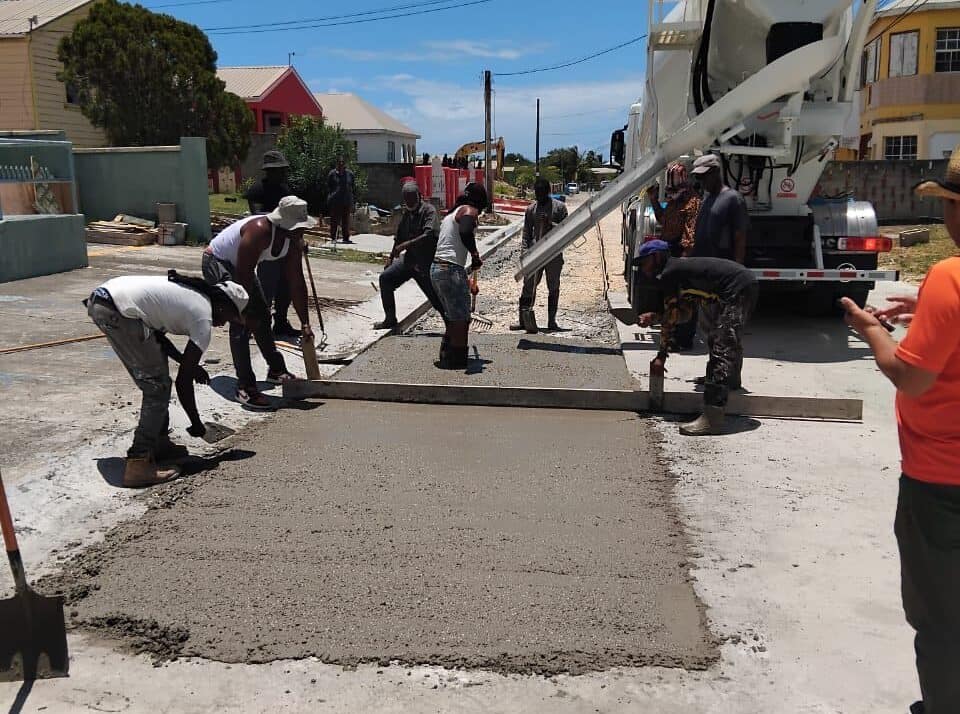
Government to Use Public Works Employees in National Clean-Up Push
Weeks following the Antigua and Barbuda Labour Party’s historic fourth consecutive general election victory, the island nation’s administration has launched an ambitious national initiative to refresh public spaces and upgrade the country’s overall visual appeal. Prime Minister Gaston Browne announced in a recent interview on local radio outlet Pointe FM that hundreds of workers recently hired by the country’s Public Works Department will be reassigned to support this island-wide clean-up and beautification effort. Browne confirmed that the Public Works Department intentionally expanded its workforce in the months leading up to the April 30 general election, and the newly added staff will now take the lead on critical environmental maintenance and public property upkeep projects across both main islands. “Public Works have taken on a few hundred individuals in the last few months,” Browne shared during the interview. “I’ve said to them that they should be utilized to help to keep the country clean.” The national clean-up initiative is just one component of a broader government-wide infrastructure and improvement program that includes full road upgrades, targeted landscape overhauls, the demolition and removal of abandoned, derelict structures, and expanded beautification work across high-traffic public areas. Browne emphasized that the administration’s goal extends beyond basic waste and blight removal: the project seeks to intentionally enhance the natural and built environment of Antigua and Barbuda for both residents and visitors. Beyond clearing blight and cleaning public lands, the government has additional plans to expand landscaping along all major arterial roads and key public gathering spaces, including a large-scale program to plant native flowering plants and fruit trees across these sites. The announcement comes as the newly re-elected Labour Party government moves forward on pre-election pledges to upgrade national infrastructure and improve quality of life for citizens across the country. Administration officials note that the initiative will both deliver immediate visible improvements to the nation and create short-term employment opportunities for local workers, aligning with the government’s post-election priorities for inclusive growth.
-

PM Browne Says Recent U.S. Visit Disproves Claims of U.S He’s Wanted in the U.S
For years, political rivals of Antigua and Barbuda Prime Minister Gaston Browne have circulated persistent false claims that he was barred from entering the United States—either due to being a person of interest to U.S. law enforcement or because his visa had been revoked. These allegations have repeatedly surfaced ahead of national elections, most recently during the island nation’s latest general election cycle. Now, Browne is pushing back forcefully against this misinformation, pointing to his official recent trip to New York as irrefutable proof that the claims are entirely unfounded.
In an interview aired on local station Pointe FM, Browne laid out the details of his U.S. visit that directly contradict years of opposition rhetoric. During the trip, he received standard official security accommodations for a sitting head of government, including escort services from U.S. Secret Service agents. “The very United States government provided me with security,” Browne explained to listeners. “Secret Service met me at the airport, several agents accompanied me everywhere I went, and an officer was posted outside my hotel throughout my stay.” He noted that this level of official coordination would never have been possible if the opposition’s claims of a revoked visa or active warrant were true.
The prime minister recounted that even ordinary members of the public expressed surprise at his open travel, after years of consuming unsubstantiated speculation online. One member of the public approached him immediately upon his arrival to note the disconnect between the visible trip and the widespread misinformation: “Wait, I thought they said you can’t go to the United States because they revoked your visa,” the woman told him, according to Browne.
Browne emphasized that these false claims have had real impact on Antigua and Barbuda’s electoral politics, noting that large numbers of voters have been swayed by the misinformation in past election cycles. The spread of false claims grew particularly acute during and after the COVID-19 pandemic, he said, adding that even outright lies circulated ahead of the 2023 general election were widely accepted as fact by segments of the voting public.
Beyond countering political misinformation, Browne’s New York visit centered on critical international policy work. The trip was organized around the Global Citizen NOW summit, where the prime minister took part in high-level discussions focused on pressing global priorities: strengthening climate resilience for small island developing states, expanding access to renewable energy, reforming sustainable development financing, and advancing global equity. He also held a series of preparatory meetings with leaders from philanthropy, the clean energy sector, and global policy circles, in anticipation of Antigua and Barbuda’s upcoming role hosting the 2026 Commonwealth Heads of Government Meeting.
-
PM Browne Says Foundation Is Being Laid for Future OECS Political Union
The push for deeper integration across the Eastern Caribbean has gained a high-profile endorsement, as Antigua and Barbuda Prime Minister Gaston Browne has laid out a vision for a future political union among member nations of the Organisation of Eastern Caribbean States (OECS).
Speaking during an interview with local outlet Pointe FM, Browne — who currently holds the chairmanship of the Eastern Caribbean Currency Union — argued that decades of coordinated economic and functional policy have already created a strong, viable foundation for OECS countries to build toward ever-closer political alignment.
“I would love to see, eventually, that we set the platform based on increased cooperation among OECS countries, that we could have a political union in the future,” Browne told listeners. “I may not be around to see it completed, but I am of the view that it is the closest subgrouping, certainly in the hemisphere, to move towards having a political union.”
The prime minister stressed that the immediate goal is not to rush into formal political unification today, but rather to lay the policy and institutional groundwork that will allow coming generations to advance the project to its final stage. He pointed to a range of existing cross-border collaborative efforts, including coordinated monetary policy, joint planning for transportation networks, and shared energy development initiatives, as proof that integration already delivers tangible benefits for regional populations.
Browne argued that deeper, broader integration would cut administrative and operational costs across the region while also improving the quality of public services available to residents of OECS member states. He outlined a series of near-term cooperation initiatives that build on existing progress, including proposals for a shared regional airline, centralized joint procurement systems for public sector goods and services, and cross-border partnerships to expand renewable energy generation across the Eastern Caribbean.
To further streamline resource use and eliminate redundant overhead, Browne also proposed that OECS nations explore consolidating diplomatic representation overseas. He noted that many small OECS states maintain separate diplomatic missions in the same countries, a practice that wastes limited financial and human resources. As an example, he pointed to representation in Canada, asking: “There’s no reason why we each have to have a mission in Canada,” suggesting that joint, shared diplomatic missions managed collectively by OECS member states would deliver the same level of service at a far lower cost to national governments.