作者: admin

  • Petrotrin must be upgraded

    Petrotrin must be upgraded

    The closure of Trinidad and Tobago’s Pointe-a-Pierre petroleum refinery in 2018 marked the end of an era when the nation served as a regional energy powerhouse. Formerly operational under Petrotrin, the facility once supplied Trinidad and much of the Caribbean with comprehensive refined petroleum products including LPG, unleaded gasoline, jet fuel, kerosene, diesel, fuel oil, bitumen, sulphur, and base lubricants, establishing national self-sufficiency and export capabilities.

    Current global energy transformations have revealed that modernizing the refinery represents not merely an option but a strategic necessity. Trinidad possesses the scientific and industrial foundation to develop high-value derivatives from its indigenous Pitch Lake resources. Lake Asphalt has already demonstrated this potential through exporting refined pitch and sealants—a niche, high-margin market that remains significantly underutilized despite its considerable value.

    A reactivated facility must be future-proofed to process Guyana’s light sweet crude, currently among the hemisphere’s most sought-after commodities. Failure to capitalize on this opportunity would allow other nations to profit from refining Guyanese crude. Simultaneously, the refinery should be engineered to handle Venezuelan heavy crude, leveraging Trinidad’s geographical advantage to achieve substantial freight savings, faster shipment turnarounds, and blending capabilities for regional distribution.

    Rather than observing competitors seize these opportunities, Trinidad should reposition the refinery as the Caribbean’s premier toll refining facility, blending hub, and finished product supplier. The nation has never lacked technical expertise, natural resources, or strategic location—only the political determination to reactivate this critical asset in alignment with evolving hemispheric energy dynamics and geopolitical realities.


  • Only love for Tobago: James Baird hopes to help Phoenix rise again

    Only love for Tobago: James Baird hopes to help Phoenix rise again

    In the volatile landscape of the TT Premier Football League (TTPFL), newly appointed head coach James Baird has experienced an immediate baptism of fire at 1976 FC Phoenix. The Scottish-born manager’s tenure began with contrasting results: an inaugural 2-1 victory against Point Fortin Civic on December 14 was swiftly countered by a 4-1 defeat to FC Eagles just one week later.

    This rollercoaster start leaves Phoenix precariously positioned in the 12-team league table, with their six-point tally from nine matches placing them merely two points above the relegation zone. The team’s inconsistent form prompted technical director Terry Williams to recruit Baird, seeking stability after Delroy Patterson’s troubled opening to the season.

    For the 42-year-old strategist, 2024 has proven particularly eventful. After briefly emerging from retirement to play for British Virgin Islands’ Wolues FC in July’s Caribbean Football Union Club Shield, Baird subsequently guided Eagles to avoid bottom-place humiliation in the previous TTPFL season before accepting his current role.

    Baird brings considerable international experience to the Tobago-based club, having featured as a goalkeeper across Scottish, Icelandic, American, and Trinidadian leagues before transitioning to coaching. His credentials include technical roles with the British Virgin Islands, Turks and Caicos, and the Trinidad and Tobago women’s national team, where he served as goalkeeper coach in 2021.

    Having resided in Trinidad for approximately a decade and married in Tobago, Baird expresses profound personal connections to the island. “Tobago means a lot to me. To coach a Tobago team is something special,” he revealed to Newsday. “They gave me an opportunity during a career downturn that ultimately redirected my professional trajectory.”

    Despite Phoenix’s challenging circumstances—having played the entire previous season without home matches—Baird maintains realistic ambitions for mid-table consolidation. “If we secure additional reinforcements during the upcoming transfer window, I believe we can push for mid-table positioning,” he stated, emphasizing that long-term development might require multiple seasons.

    The coach identifies psychological barriers as equally significant as tactical improvements, noting: “The players don’t fully comprehend their capabilities. We’ve competed closely against every opponent, with narrow margins determining outcomes.” He specifically highlighted defender Jeremiah Bristol, midfielder Antonio Pantin, veteran Trevin Caesar, and league-leading scorer Teejay Cadiz (eight goals) as key talents.

    Baird, who prefers to emphasize tactical acumen over his goalkeeping background, aims to implement an aggressive, high-intensity playing philosophy. With Phoenix’s scheduled Boxing Day fixture against Caledonia postponed, the team now looks toward 2026 as an opportunity to transform their faltering campaign and establish Tobago as a competitive force in Trinidadian football.

  • Wendy’s Jamaica maintains Christmas tradition with visit to Wortley Home for Girls

    Wendy’s Jamaica maintains Christmas tradition with visit to Wortley Home for Girls

    Amid a year marked by significant disruption, Wendy’s Jamaica demonstrated unwavering commitment to its annual Christmas tradition at the Wortley Home for Girls in the Corporate Area. The fast-food chain’s visit carried profound significance this season, arriving just weeks after Hurricane Melissa’s devastating passage through the region.

    Despite the altered holiday season experienced by communities across Jamaica, the Wendy’s team prioritized maintaining their long-standing tradition. The company’s representatives spent meaningful time engaging with residents through heartfelt conversations, shared laughter, and collaborative activities, creating an atmosphere of genuine connection and care during the festive period.

    Tina Matalon, Marketing Director of Restaurants of Jamaica, emphasized the importance of preserving this tradition despite the year’s challenges. “Maintaining this visit on our calendar was essential,” Matalon stated. “The Wortley Home represents an integral part of our Christmas tradition, and we wanted the girls to experience the consistent care and familiarity that defines this annual event.”

    The visit unfolded organically without rigid programming, allowing the girls to enjoy meals, gifts, and companionship at a relaxed pace. Clerine Smith, Administrator at the Wortley Home for Girls, highlighted the profound impact of these interactions, noting that the value extends far beyond material donations. “The time spent genuinely engaging with the girls—listening, talking, and sharing laughter—creates lasting positive effects that remain with them long after the visit concludes,” Smith explained.

    The Wortley Home for Girls has historically provided crucial support for young girls in need, and Wendy’s Jamaica’s consistent Christmas visitation has become an anticipated component of the home’s holiday season, offering normalcy and joy during challenging times.

  • Western families to be gifted $30 million in hardware vouchers by Digicel Foundation

    Western families to be gifted $30 million in hardware vouchers by Digicel Foundation

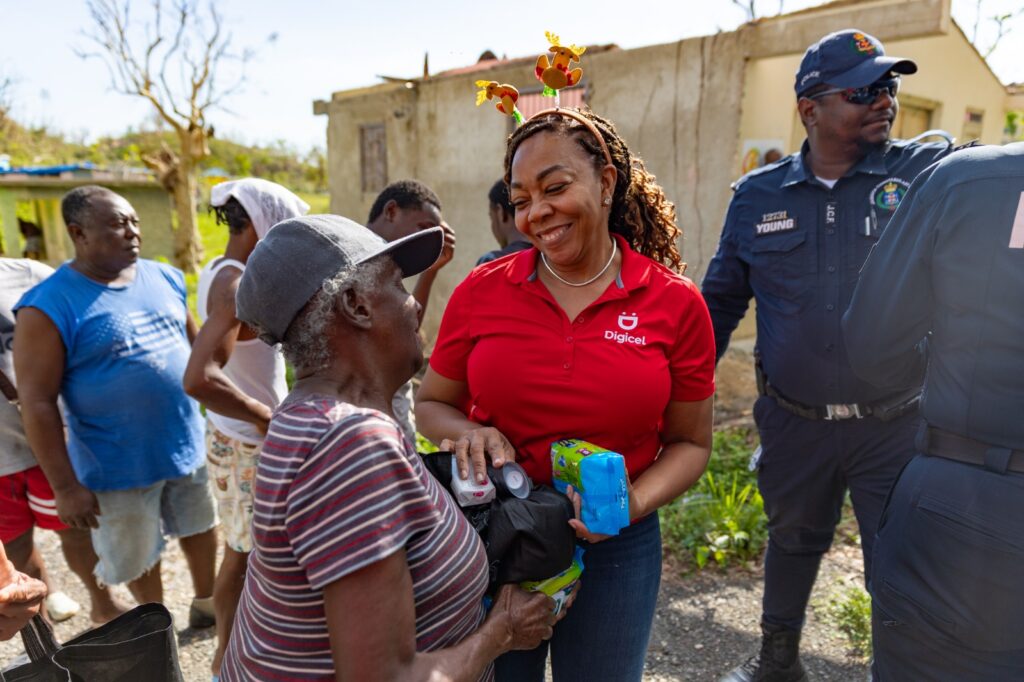
    KINGSTON, Jamaica — The Digicel Foundation has launched a substantial humanitarian initiative, allocating $30 million in hardware and lumber vouchers to support western Jamaican families devastated by Hurricane Melissa during the Christmas season. This effort represents a critical component of the foundation’s comprehensive hurricane recovery program, which has maintained continuous operational presence since the storm’s passage.

    The foundation’s teams have been actively delivering essential resources to severely affected households, educational institutions, and special needs facilities throughout the crisis period. Charmaine Daniels, CEO of the Digicel Foundation, emphasized the program’s seasonal significance: “Christmas embodies hope and collective solidarity. Our mission ensures that families experiencing extreme hardship from Hurricane Melissa receive meaningful support and recognition during this period.”

    Daniels further explained the strategic value of the assistance: “These hardware vouchers symbolize our dedication to restoring fundamental human dignity, ensuring safety protocols, and reestablishing household stability for affected communities in their reconstruction journey.”

    Beyond construction materials, the Foundation has significantly enhanced its care packages to include comprehensive hygiene kits containing soap, deodorant, toothpaste, and toothbrushes. Addressing infrastructure challenges, the organization has incorporated solar-powered lighting solutions to help families overcome persistent electricity disruptions.

    These upgraded assistance packages continue to be distributed alongside nutritional support to communities still experiencing hurricane-related disruptions months after the initial disaster. Current statistics reveal the program’s substantial impact: relief operations have reached 35 communities and vulnerable groups island-wide, delivering over 6,000 food packages and 900 hygiene kits, with an additional 1,000 hardware vouchers scheduled for distribution in this recovery phase.

  • Three shot, one fatally, in Manchester

    Three shot, one fatally, in Manchester

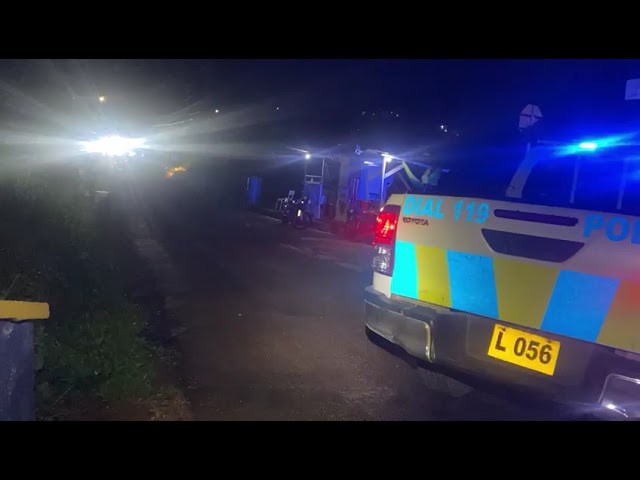
    The parish of Manchester, Jamaica, was rocked by another deadly shooting incident on Tuesday evening, marking a disturbing continuation of violence that has now claimed four lives within a 48-hour period. The latest attack occurred in the Cedar Grove district, on the outskirts of Mandeville, shortly after 9:00 PM.

    According to preliminary police reports, the tranquility of the community was shattered when a group of armed assailants opened fire on individuals congregated at a local shop near the entrance of the district. The ambush-style attack resulted in three men being struck by a hail of bullets.

    In the immediate aftermath, bystanders and local residents demonstrated swift community action, transporting the wounded to a nearby medical facility. Despite efforts to save him, one victim, known locally by the aliases ‘Jomo’ and ‘Notnice’, succumbed to his injuries while undergoing emergency treatment. His formal identity remains undisclosed by authorities as investigations commence.

    The two other victims, identified as a 23-year-old and a 49-year-old man, survived the assault and were admitted to the hospital. Both are currently receiving medical care for their injuries, with their conditions being monitored.

    This tragic event represents the fourth homicide in the Manchester region in just two days, signaling a severe and concentrated outbreak of violence that has alarmed both citizens and law enforcement officials. The consecutive nature of these incidents points to a deepening security challenge in the area, raising urgent questions about the underlying causes and the measures needed to curb the bloodshed.

  • Festive lights, security tight for Christmas in Damascus

    Festive lights, security tight for Christmas in Damascus

    DAMASCUS, Syria — The historic lanes of Damascus’s Old City are adorned with festive Christmas illuminations, yet the seasonal cheer is markedly tempered by a heavy security presence. Government patrols move through the shadows, a stark reminder of the pervasive anxiety haunting Syria’s Christian minority as they attempt to observe their holidays.

    The memory of a devastating June assault on the Saint Elias church, which resulted in 25 fatalities and numerous injuries following a shooting and suicide bombing, remains acutely fresh for the community. This incident has instilled a climate of caution, with residents opting for earlier curfews and subdued festivities.

    Tala Shamoun, a 26-year-old university student, expressed the collective apprehension to AFP while visiting a Christmas market. She noted a rise in criminal activities like robberies and kidnappings in Damascus but identified the church attack as the most profound tragedy.

    While Syrian authorities attributed the June violence to the Islamic State jihadist network, a lesser-known Sunni Muslim extremist faction also claimed responsibility. This occurs against a complex backdrop where Islamist factions that displaced ruler Bashar al-Assad have publicly recommitted to a doctrine of interfaith coexistence and inclusive governance. Nonetheless, the year has also witnessed severe sectarian violence, including massacres in the Alawite region and significant clashes in Druze-dominated southern areas.

    In response, a multi-layered security strategy has been enacted. Interior Ministry forces are conducting stops and searches on pedestrians and motorcyclists throughout the Old City. An anonymous security officer, stationed at a key entrance with a communication device and deployment map, outlined the state’s protective mandate, emphasizing the duty to safeguard all citizens—Christian and Muslim alike—and to secure places of worship during celebrations.

    The narrative of protection is central to Assad’s longstanding political posture, which has positioned him as a guardian for religious minorities who have frequently been targeted throughout the nation’s prolonged conflict. The demographic impact has been severe; Syria’s Christian population is estimated to have plummeted from approximately one million at the war’s onset in 2011 to roughly 300,000 today, due to widespread emigration.

    Despite the underlying tensions, efforts to foster normalcy are visible. Shopfronts and trees in the Old City are decorated with red baubles and festive trimmings, and street vendors offer warm chestnuts. Complementing official security measures, unarmed civilian committees comprising local Christians, coordinated with state forces, have been mobilized to guard churches. Fuad Farhat, a 55-year-old coordinator from Bab Touma district, reported that these additional measures are helping to alleviate public fear, making residents feel secure enough to participate in the holiday atmosphere.

    This glimmer of hope was echoed by Loris Aasaf, a 20-year-old student, who voiced a desire for joy and a renewed future for Syria, aspiring for a return to the era when all sects celebrated together, paving the way for national reconstruction.

  • Zelensky reveals US-Ukraine plan to end Russian war, key questions remain

    Zelensky reveals US-Ukraine plan to end Russian war, key questions remain

    KYIV, Ukraine — A newly revealed US-brokered draft proposal to resolve the ongoing Russian invasion of Ukraine indicates that Kyiv has secured several critical concessions in negotiations, though fundamental disagreements over territory and Moscow’s potential acceptance continue to pose significant obstacles.

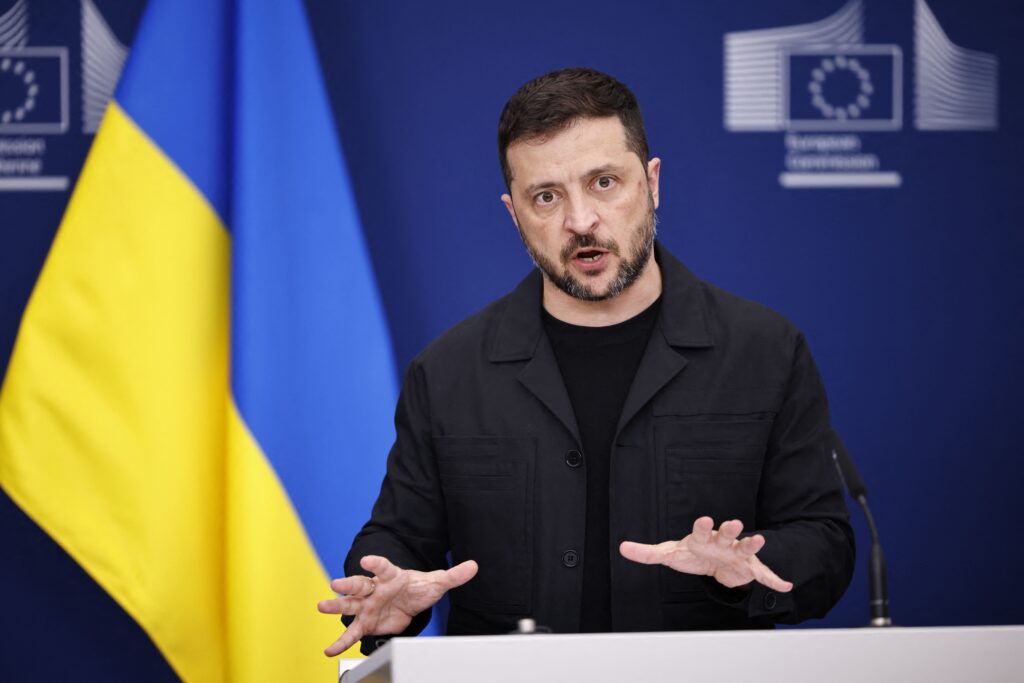
    President Volodymyr Zelensky disclosed details of the 20-point framework during an extensive briefing with journalists, presenting an annotated version of the document that has been jointly developed by American and Ukrainian negotiators. While acknowledging that certain elements of the plan remain unsatisfactory to Kyiv, Zelensky emphasized that Ukrainian diplomats successfully eliminated several initially problematic demands.

    The revised draft no longer contains immediate requirements for Ukraine’s complete military withdrawal from the Donetsk region or automatic recognition of Russian-occupied territories as sovereign Russian land. Perhaps most significantly, the proposal removes previous stipulations that would have compelled Ukraine to legally renounce its aspirations for NATO membership—a longstanding red line for Moscow.

    However, the blueprint appears to facilitate potential future troop redeployments and establishes mechanisms for creating demilitarized zones along current front lines. Specifically, the agreement would recognize the existing deployment positions in Donetsk, Luhansk, Zaporizhzhia, and Kherson regions as the de facto line of contact, with working groups subsequently convening to determine necessary force movements and parameters for special economic zones.

    This structure suggests a compromise approach that postpones decisions on militarily and politically sensitive issues—including territorial withdrawals that Ukraine had previously resisted—while creating procedural pathways for continued dialogue. Zelensky characterized the negotiations as attempting to balance Russian demands for Ukrainian withdrawal with American efforts to devise mutually acceptable arrangements through demilitarized or special economic zones.

    The Kremlin has received the draft proposal for review, though analysts remain skeptical that Moscow would abandon its maximalist territorial objectives in eastern Ukraine. The emerging framework represents the most detailed diplomatic effort to date to outline a potential resolution to the conflict, yet its viability ultimately depends on Russia’s willingness to engage with terms that fall short of its original demands.

  • First step to ending domestic violence

    First step to ending domestic violence

    Trinidad and Tobago is confronting a severe psychological crisis manifesting through escalating murder-suicide incidents among intimate partners across all societal segments. This disturbing pattern reflects not merely criminal behavior but a profound societal despair—a spreading darkness where individuals perceive violence or self-destruction as their only escape from emotional agony.

    According to psychological experts, this crisis stems from a critical deficit in emotional resilience and healthy coping mechanisms. When individuals face rejection, abandonment, or overwhelming stress, their brains enter survival mode, releasing chemicals like cortisol, dopamine, and oxytocin that distort reality perception. Without proper emotional awareness, this can lead to:

    • Cognitive distortions and irrational decision-making
    • Intense attachments to unhealthy relationships
    • Emotional dependency masquerading as love
    • Misinterpreted fear as betrayal
    • Overwhelming hopelessness

    Current societal approaches emphasizing punishment and shame have proven inadequate. Advocates argue that prevention through education and emotional literacy is paramount. The solution requires understanding biological and emotional triggers—particularly how unprocessed trauma causes individuals to interpret ordinary events through lenses of fear, shame, or insecurity.

    For those exhibiting narcissistic traits, control becomes synonymous with safety, dominance with stability, and validation with oxygen. Losing relationship control can feel like psychological death, triggering extreme reactions.

    A comprehensive solution framework must include:

    1. Emotional literacy programs in schools teaching brain function and emotional regulation
    2. Trauma-informed interventions for both victims and perpetrators
    3. Accessible, stigma-free support systems for early intervention
    4. National conversations breaking silence around mental health
    5. Prevention-focused campaigns emphasizing education before crisis

    Without teaching citizens to understand their internal worlds—why they feel certain emotions and how to manage them healthily—the cycle of violence will continue across generations. The path forward begins with awareness, education, and collective action to build emotional resilience nationwide.

  • When sovereignty becomes a doormat

    When sovereignty becomes a doormat

    Prime Minister Kamla Persad-Bissessar of Trinidad and Tobago has ignited a firestorm of controversy by asserting that the United States possesses an unquestionable right to pursue its national interests—even when such actions adversely affect other sovereign nations—and that impacted countries must simply “accept the consequences.” While presented as a tough stance, legal experts contend this position is not only legally flawed but dangerously reckless for a small nation state.

    The core of the dispute centers on fundamental principles of international law. Sovereignty, contrary to the Prime Minister’s characterization, has never equated to unlimited freedom. Since the establishment of the post-1945 global legal order, sovereignty has existed within a framework designed to restrain powerful nations and protect vulnerable ones. The longstanding principle, repeatedly affirmed by the International Court of Justice, is that the freedom of any state ends where another’s begins.

    Actions such as economic coercion, extraterritorial punishment, and policy intimidation are not legitimate expressions of sovereignty but rather violations of it. The editorial argues that if powerful nations could freely impose their preferences on others based solely on might, international law would be rendered meaningless, replaced by pure hierarchy.

    The specific context involves U.S. criticism of Citizenship-by-Investment (CBI) programs. The contention is not whether the U.S. can regulate its own borders—a right acknowledged as undisputed—but whether it can penalize other countries for domestic policies that breach no international treaty or convention. This is framed not as legitimate border control but as interference disguised as security.

    In contrast to the Prime Minister’s stance, the Caribbean Community (CARICOM) delivered a response described as orthodox, restrained, and legally sound. CARICOM recognized U.S. sovereignty while formally requesting consultation, clarity, and respect for the rule of law. This approach is presented as the prescribed method for small states to navigate a rules-based international system.

    The editorial expresses particular alarm that this doctrine originates from a Prime Minister who holds the title of Senior Counsel, a position that should demand a higher standard of legal reasoning. The author condemns the underlying logic as “profoundly defective,” where sovereignty is mischaracterized as an unlimited license, coercion is rebranded as mere consequence, and international law is treated as optional etiquette.

    The author concludes with a stark warning: if the Prime Minister’s doctrine were correct, Trinidad and Tobago would itself have no protection against sanctions, blacklists, or financial pressure whenever it became inconvenient to more powerful nations. The piece ends with a powerful admonition: “Sovereignty is not a doormat. And TT should stop pretending that being trampled is a sign of strength.”

  • Petrotrin must be upgraded

    Petrotrin must be upgraded

    In a compelling analysis of Trinidad and Tobago’s energy sector, industry expert Gordon Laughlin argues that the modernization of the Pointe-a-Pierre refinery represents not merely an option but a critical strategic necessity for the nation’s economic future.

    The refinery, which ceased operations in 2018, previously positioned Trinidad as a regional energy powerhouse, supplying the entire Caribbean with a comprehensive range of refined petroleum products including LPG, unleaded gasoline, jet fuel, kerosene, diesel, fuel oil, bitumen, sulphur, and base lubricants. This capability ensured both national self-sufficiency and established Trinidad as a significant exporter within the region.

    Laughlin identifies three pivotal opportunities that a modernized facility could capture. First, the nation possesses the scientific and industrial capacity to develop high-value derivatives from its own Pitch Lake resources. Lake Asphalt already produces refined pitch and sealants for export, representing a niche, high-margin market that remains significantly underutilized despite its considerable potential.

    Second, any refinery reactivation must incorporate future-proof capabilities to process Guyana’s light sweet crude, currently among the hemisphere’s most sought-after commodities. Failure to develop this capacity would allow other nations to capitalize on refining and profiting from Guyana’s resources.

    Third, the facility requires capabilities to refine Venezuelan heavy crude. Despite its challenging composition, Venezuela’s proximity offers substantial freight savings, faster shipment turnaround times, and opportunities for blending or refining this crude for regional distribution. This would reposition Trinidad advantageously within the Caribbean energy logistics chain.

    Laughlin advocates for positioning the refinery as the Caribbean’s premier toll refining facility, blending hub, and finished products supplier rather than allowing other nations to seize these emerging opportunities. The commentary concludes that Trinidad has never lacked the talent, resources, or strategic location for such endeavors, but has instead faced a deficit of political will to realize this vision.