作者: admin

  • St Kitts wants cautious approach to marijuana use

    St Kitts wants cautious approach to marijuana use

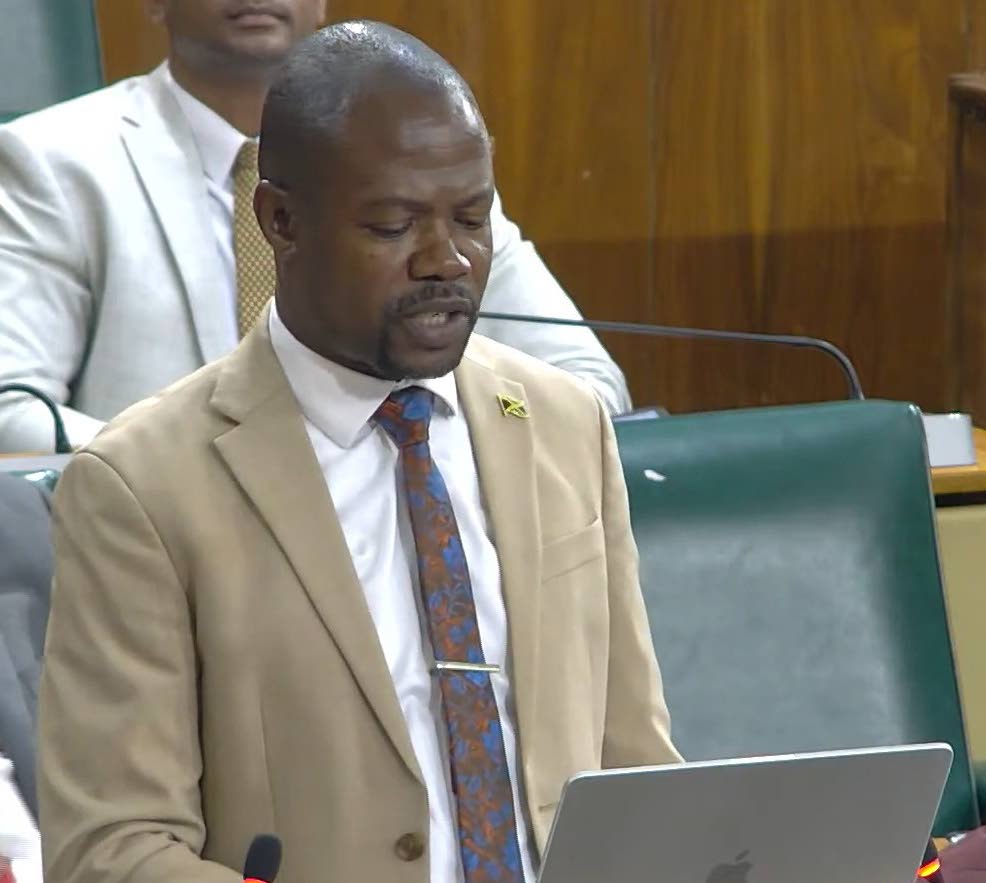
    BASSETERRE, St Kitts – In a formal address to the nation’s parliament, Prime Minister Dr. Terrance Drew has outlined the federal government’s deliberate, risk-mitigating approach to cannabis integration, emphasizing that all reforms must prioritize the Caribbean nation’s economic stability, public health, and long-term social and financial wellbeing.

    Drew, a practicing medical professional, noted that his administration has already advanced historic progressive changes to outdated cannabis laws, including upholding the fundamental rights of the Rastafari community to practice their faith without criminal penalty. But he stressed that these changes are being rolled out with full awareness of the dangers that unregulated mismanagement could pose to the twin-island federation.

    “We are being responsible with how we introduce cannabis as part of our way of life here in St Kitts and Nevis, it has to be done responsibly,” Drew told parliament. He explained that the government’s new legislative framework is intentionally structured to strike a balance: it protects constitutionally guaranteed rights, while putting systems in place to prevent substance abuse, economic disruption, and harm to local citizens.

    The prime minister reaffirmed that the government has removed criminal penalties for Rastafarians’ religious use of cannabis, enabling the community to exercise their faith freely. At the same time, he issued a clear caution against any actions that could erode St Kitts and Nevis’ standing in global finance, particularly its critical correspondent banking relationships with major international institutions.

    Upholding the country’s regulatory obligations is not optional, Drew said, but a non-negotiable requirement for maintaining global confidence in the federation’s financial system. He urged all new entrants to the emerging cannabis sector to abide by existing regulations, to ensure St Kitts and Nevis retains its reputation as a rule-abiding actor on the global stage.

    Speaking to the specific case of medicinal cannabis, Drew highlighted that while the plant shows clear potential for therapeutic applications, strict regulatory oversight is mandatory to guarantee product safety and quality for patients. “When people get a product in St Kitts and Nevis for medicinal purposes, they must know that this product is regulated, that what’s in it, or what is claimed to be in it is in it, and so that the overall health is protected,” he explained. He added that protections for vulnerable populations are a core component of the government’s framework, as regulated substances require careful management to avoid harm to bystanders and at-risk groups.

    Drew closed his address by calling on all citizens and industry stakeholders to act responsibly and comply with the law, noting that the government’s approach is explicitly designed to protect both current and future generations of the federation.

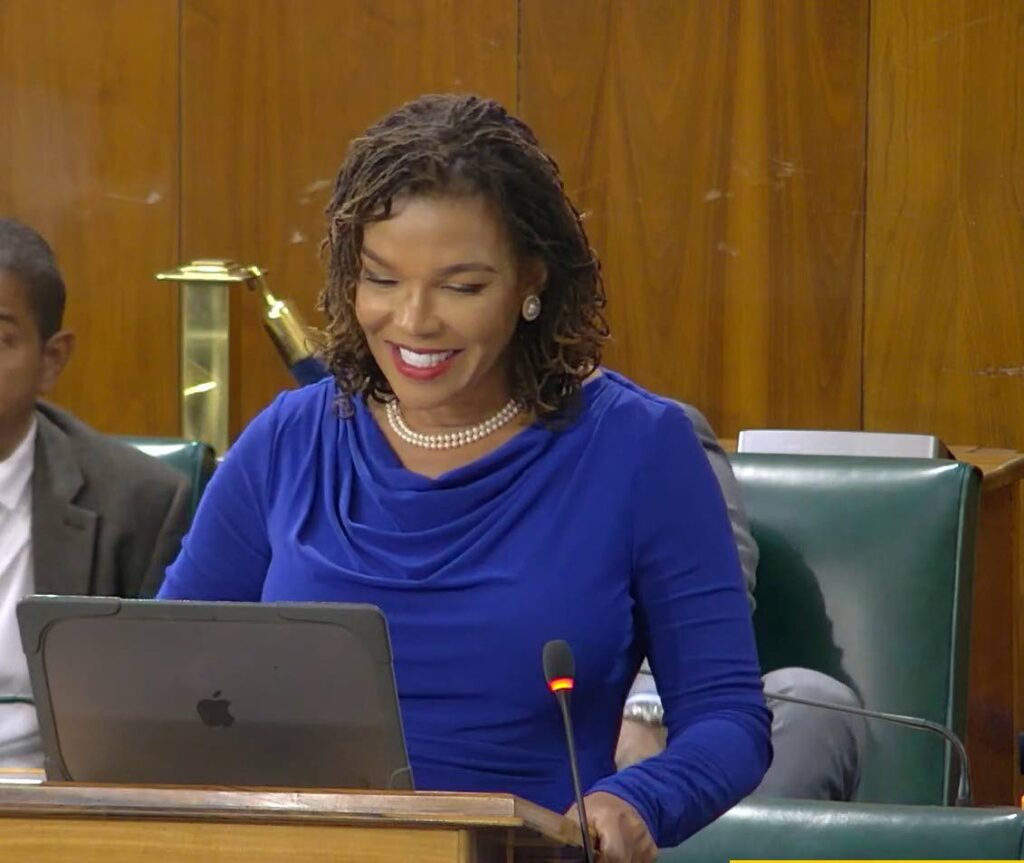
    Attorney General Garth Wilkin, who also serves as Minister of Justice and Legal Affairs, followed the prime minister’s address with a detailed breakdown of why full nationwide legalization of recreational cannabis remains unfeasible for St Kitts and Nevis at this time, pointing to binding international legal and financial constraints that cannot be ignored.

    While the government has moved forward with targeted progressive reforms to uphold religious freedom and decriminalize limited categories of cannabis use, Wilkin explained that all changes must remain aligned with the country’s binding international treaty obligations. These international agreements explicitly restrict full legalization of cannabis for non-medicinal and non-religious use, and deviating from these rules would trigger severe consequences for the federation’s financial system.

    “What that means is that if we were to legalize [recreational cannabis broadly], our corresponding banking relationships would almost come to an end,” Wilkin warned. He explained that St Kitts and Nevis’ access to the global financial system depends almost entirely on correspondent banking partnerships with institutions in major economic jurisdictions – including the United States and Europe – where cannabis remains illegal under federal or national law.

    “So if you were to make money from cannabis in St Kitts and Nevis, and those countries [and] those banks were to realise that anybody in St Kitts and Nevis could legally make money from cannabis, they would cut off our banking system from the international finance system,” Wilkin added. He noted that this outcome would create cascading harm across every sector of the economy, disrupting international trade and eliminating citizens’ ability to complete even basic financial transactions when traveling or doing business abroad. “It would cause irreparable harm to our banking system,” he said.

    Under the government’s current structured regime, cannabis is legal for religious use consistent with freedom of conscience, as well as for regulated medicinal purposes. The framework formally permits cultivation, possession, and use of cannabis within these legal bounds, Wilkin explained, aligning the new rules with the constitution’s protections for freedom of conscience and religious practice.

    Alongside the new legal framework, the government has launched extensive public education initiatives, including an official cannabis information platform designed to help all citizens understand their rights and responsibilities under the updated law. Wilkin encouraged all residents to familiarize themselves with the new regulations and comply fully with their requirements, emphasizing that the government’s incremental approach reflects a deliberate, balanced compromise between progressive reform and national responsibility.

  • Skerrit announces Olympic-sized pool for Pointe Round sports complex

    Skerrit announces Olympic-sized pool for Pointe Round sports complex

    In a major announcement that elevates one of the Caribbean nation’s most ambitious sporting infrastructure investments, Prime Minister Roosevelt Skerrit has confirmed that cabinet has approved expanding the planned Pointe Round synthetic track and field facility to include a full Olympic-sized swimming pool and its supporting amenities.

    Skerrit shared details of the revised project during a recent press briefing, clarifying the split of responsibilities for the development. Global governing body World Athletics has already pledged full support to deliver the certified athletics track surface, covering critical stages from engineering surveys and design work to procurement and construction contracting. The Dominican government, meanwhile, is tasked with preparing the building site, including grading and land preparation, as well as funding and delivering all supporting auxiliary infrastructure for the facility.

    “Originally, our plan centered on delivering a world-class Class 1 certified track and field facility, but cabinet made the decision to broaden the project’s scope to turn this site into a comprehensive, multi-use sports hub,” Skerrit explained. “Alongside the track, we will now add an Olympic-sized swimming pool with all required accompanying amenities, from changing facilities to spectator stands and restroom infrastructure. This will not just be a track facility – it will be a complete sports complex that serves athletes across multiple disciplines for generations.”

    The expanded development comes on the heels of a landmark win for Dominican athletics: in December 2025, the Dominica Athletics Association (DAA) officially confirmed the island had been selected as a beneficiary of World Athletics’ Project 10 initiative, a global program designed to deliver world-class certified track facilities to emerging sporting nations. The selection followed two years of intensive planning, stakeholder consultations, and rigorous technical evaluations, a milestone the DAA has called transformative for the country’s sporting community. Land for the complex has already been secured in the Pointe Round area of Portsmouth, with initial site preparations already underway.

    Project 10 is made possible through a partnership between World Athletics and the Qatar Olympic Committee, which provides funding and technical backing for new athletics infrastructure across targeted developing nations. In addition to the Pointe Round development, Skerrit also updated the public on ongoing upgrade works at the island’s existing Windsor Park Sports Stadium, reporting that visible progress is already being made on the installation of a new modern lighting system to support evening events and training.

  • Asset Sale Forms Now Open!

    Asset Sale Forms Now Open!

    On a content platform, a partial post attributed to a user identified only as “webmaster” was published three days prior to the current observation. The entry includes a single reference to an external image hosted at a public cloud storage endpoint: https://news-minio.triplec.cc/news/2026/04/06/9d6f5b129400897b75bfb3e3d162643c.jpg, alongside a secondary link directing readers to a public Google Forms survey page. The post does not include any full narrative text, core news details, explanatory context, or stated purpose for the linked resources, leaving the original intended message incomplete and inaccessible to readers without accessing the external third-party content.

  • Shoppers see ‘little to no change’ in their grocery bill

    Shoppers see ‘little to no change’ in their grocery bill

    One day after the Davis administration in the Bahamas implemented a flagship policy cutting value-added tax (VAT) on unprepared grocery items from 5% to zero, early consumer feedback across major retail locations in New Providence reveals a deeply uneven impact, with most shoppers reporting little to no immediate savings at checkout and growing concerns over transparency, pricing fairness, and inconsistent retailer implementation.

    The zero-VAT initiative, which took effect April 1, is a core plank of the Progressive Liberal Party-led government’s strategy to alleviate persistent cost-of-living pressures facing Bahamian households. Economic Affairs Minister Michael Halkitis has publicly committed to keeping the policy in place for as long as his party holds office, noting that projected economic growth will allow the government to absorb the roughly $15 million in annual lost revenue from the tax cut.

    But early on-the-ground interviews with consumers across multiple New Providence grocery stores suggest gaps between the policy’s goals and its real-world outcomes. At Harbour Bay’s Fresh Market, Ortland Bodie Jr. said he broadly welcomes the intent of the VAT cut, but saw no meaningful reductions to his overall grocery bill. “VAT has gone down, but it seem like the prices ain’t going down,” Bodie explained, noting that the cut only shaved a few cents off his total purchase. He also raised questions about whether small, independent “mom and pop” retailers, which lack the sophisticated pricing infrastructure of larger chain stores, will apply the tax cut consistently across their inventory.

    Similar skepticism emerged at Oakes Field’s Xtra Value location, where executive chef Noel Claude said his total grocery spend remained largely unchanged despite the policy shift. Claude echoed widespread consumer concern that many retailers are not passing the full benefit of the VAT cut on to shoppers, with some potentially inflating base prices to protect their own profit margins. “I honestly feel like certain things are overpriced,” he said. “I believe sometimes people do inflate it so they could get something at the end of the day too. Because the more they make, the better life is for them, and the sad thing is, it’s the consumer that suffers.”

    Lisa Williams, another shopper at the same Xtra Value location, said she detected no noticeable difference to her checkout total. Comparing current grocery prices to decades past, she noted that even when economic conditions were tight under previous administrations, consumers saw clearer price adjustments aligned with policy changes. Williams pointed to broader systemic cost pressures, including rising gas prices and soaring rent, that are pushing overall grocery costs higher regardless of the VAT cut, and suggested some retailers are raising base prices specifically to offset the elimination of VAT.

    While most shoppers reported no meaningful savings, a small number saw modest reductions to their bills. At Nassau Street’s Super Value location, Diane Jones said she saved roughly $25 on her large grocery order, a reduction she called welcome relief for households navigating widespread price increases. But not all shoppers at that location shared her positive experience: Tashantae Gibson said she encountered far higher prices than expected for staple items including ground beef, which typically retails for $7 to $9 per package but was priced between $10 and $15 on the day of the VAT cut. Gibson added she had not even heard of the new VAT policy before arriving to shop. One anonymous shopper at the same location also confirmed they had spotted price increases on multiple items following the policy rollout.

    Even among consumers who support the policy in principle, widespread concern remains that broader external economic pressures will erase any benefits from the VAT cut. Multiple shoppers pointed to global market volatility and rising fuel costs as ongoing drivers of grocery price inflation that will outpace any savings from the zero-VAT measure.

    Worries over a rocky rollout were not limited to consumers: even before the policy took effect, retailers warned that updating price tags across tens of thousands of individual inventory items would take significant time, even if point-of-sale checkout systems are programmed to apply the zero-VAT rate immediately. That delay has contributed to consumer confusion and distrust in the early days of the policy’s implementation.

  • Election May 12

    Election May 12

    Bahamas’ Prime Minister Philip Davis made a landmark announcement on [date of announcement], confirming that the country’s next general election will be held on May 12, kicking off a high-stakes electoral battle that will shape the nation’s political trajectory for the coming term. This closely watched contest will put two of the country’s major political parties to critical tests: the incumbent Progressive Liberal Party (PLP) will fight to secure an uncommon back-to-back term in office, while the opposition Free National Movement (FNM) will seek to stage a comeback after its crushing defeat in the 2021 general election.

    In his official statement, Davis outlined the formal electoral timeline, confirming that he will recommend that the Governor General dissolve the national Parliament on April 8. Writs of election, which formally launch the official campaign period, will be issued the very next day. This timeline aligns with long-standing Bahamian electoral practice, creating a compressed five-week campaign sprint that leads directly to polling day on May 12.

    This upcoming vote marks the third and most consequential electoral test for the Davis administration since the PLP swept into power in September 2021. During that election cycle, the party secured a landslide victory over the FNM, which was reduced to a tiny opposition bloc in Parliament after just one term leading the country. If the PLP wins re-election this May, it will become the first incumbent political party to secure a consecutive second term since 1997, a milestone that would cement the party’s recent political momentum.

    Beyond the political race, Davis used his announcement to urge all eligible Bahamians to complete their voter registration before the legal deadline, which coincides with Parliament’s dissolution on April 8. He clarified that voters already registered do not need to reapply to cast a ballot, noting that any voter holding a valid purple voter’s card retains an active, valid registration under Bahamian law. “The law provides that if you are on the current register of voters, you are entitled to vote,” Davis emphasized.

    For first-time registrants, voters who have relocated between constituencies, or those who need to update their personal registration information, Davis stressed the urgency of acting immediately to meet the deadline. The prime minister’s reminder comes amid reports of surging activity at official voter registration centres across the country, where long lines have formed in recent days as Bahamians rush to finalize their registration before the cutoff.

    As the official campaign period gets underway, Davis called for a respectful, constructive electoral contest, stressing that national unity should transcend temporary political divides. “As we move through this election season, I ask every Bahamian to remember one simple truth: wherever we may fall politically, we all love this country,” he said. “Long after the campaign is over, we will still be one people, sharing one home, with one future to build together. I encourage every eligible Bahamian to take part in this process with seriousness, respect, and faith in our democracy.”

  • Bahamian captain given deadline to strike plea in $4m drug case

    Bahamian captain given deadline to strike plea in $4m drug case

    A Bahamian vessel captain facing allegations of smuggling nearly $4 million in cocaine into the United States has been granted an extension to decide whether to accept a plea deal or proceed to a public trial, court documents confirm. Malcolm Goodman, who has professional ties to former Bahamas National Security Minister Marvin Dames, was arrested by U.S. law enforcement in Florida on February 11, and entered an initial not guilty plea last month to two federal charges: possession of a controlled substance with intent to distribute and illegal importation of narcotics.

    Goodman’s legal representation, lead defense attorney Jay White, recently filed a formal motion with the court requesting additional time to hold plea negotiation talks with federal prosecutors. On Wednesday, U.S. District Judge Melissa Damian approved the motion, setting May 4 as the new deadline for Goodman to formally change his plea. The judge also rescheduled the original two-week jury trial, initially set to begin April 15, to May 18, pending the outcome of the plea discussions.

    In her ruling, Judge Damian concluded that the public interest in pursuing a fair justice process through the continuance outweighed the general priority of a speedy trial. According to court affidavits filed by U.S. authorities, acting agents discovered approximately 200 kilograms of cocaine stashed on Goodman’s 45-foot vessel, the M/V Reel Xperience, during the stop that led to his arrest. Law enforcement officials stated the illicit narcotics were left “in plain view” on the boat, and that Goodman allegedly acknowledged he was aware of the drugs’ presence on the vessel.

    Goodman, an experienced boat captain based out of Eleuthera, Bahamas, confirmed his business partnership with the former cabinet minister. Following the arrest, Dames released a public statement acknowledging that he and his wife entered into a formal business arrangement with Goodman in early 2024. The former minister strongly denied any connection to the alleged smuggling operation, asserting that neither he nor his spouse had any prior knowledge of, involvement in, or financial benefit from any illegal activity tied to the case. Dames also emphasized that he never authorized, participated in, or approved any criminal conduct connected to the vessel or business partnership.

  • DPP Frazier insists long-running corruption cases haven’t stalled

    DPP Frazier insists long-running corruption cases haven’t stalled

    More than half a decade after the first corruption allegations emerged against two high-ranking former Bahamian public officials, the country’s top law enforcement official has pushed back against claims that the cases have been abandoned. Director of Public Prosecutions Cordell Frazier confirmed this week that the high-profile prosecutions of former Cabinet minister Lanisha Rolle and ex-Urban Renewal director Michelle Reckley remain ongoing, even as their trial dates have been pushed back years from the initial filing of charges.

    Frazier also provided an update on Christopher Symonette, one of Reckley’s co-accused in the Urban Renewal scandal, noting that his constitutional challenge to the proceedings has already been heard by the courts, though no ruling has yet been announced.

    Court records clearly show the significant delays that have plagued both cases, a situation that has drawn public scrutiny over the pace of justice in high-level public corruption matters. Rolle, who was formally charged in 2022, faces a total of 16 criminal counts: three counts of bribery and 13 counts of conspiracy to commit fraud by false pretences. She and her husband, Vontenken Rolle, face additional conspiracy charges connected to a $168,000 government contract awarded for renovation work at the Kendal GL Isaacs Gym. Prosecutors further allege that Rolle accepted a bribe worth $48,303.74 in exchange for awarding a construction contract at the Grand Bahama Sporting Complex to local firm G&C Landscaping. Two other co-defendants, Wilfred Rolle and Godfrey Burrows, face conspiracy charges related to a separate $34,600 contract for upgrades at the South Beach community pools, with Burrows additionally charged with obtaining the public funds through fraudulent pretences.

    The Reckley case stretches back even further, with the former Urban Renewal head and five co-accused first arraigned in 2019. Prosecutors allege the group conspired to defraud the Bahamian government of more than $1.2 million through fraudulent claims submitted to the Urban Renewal Small Homes Repair Programme, an initiative designed to fund repairs for low-income homeowners on Grand Bahama following hurricane damage.

    The case has faced a string of unprecedented setbacks that have delayed its trial for nearly five years. It was first assigned to Magistrate Ambrose Armbrister, but all court proceedings ground to a halt when the COVID-19 pandemic shut down most judicial operations across the country. When Armbrister resigned from the bench in 2020, the case was shuffled between multiple magistrates before then-Chief Magistrate Joyann Ferguson-Pratt took over management of the prosecution.

    A new controversy emerged in May 2022, just as the trial was scheduled to get underway. Prosecutors filed a motion to recuse Ferguson-Pratt over unsubstantiated claims that she had privately visited Reckley in the courthouse cell block and prayed with the defendant ahead of the trial. The chief magistrate forcefully denied the allegations, and prosecution withdrew the recusal application just two days later, issuing a formal public apology to the magistrate over the claim.

    Most recently, the case hit another delay when Senior Magistrate Shaka Serville, the latest judge assigned to the matter, announced he could not locate the complete physical case file, forcing another adjournment of proceedings. Reckley and all of her co-defendants have repeatedly maintained their innocence on all charges, and all defendants have been released on bail while they await trial.

  • OECS Commission hands over ice coolers to Dominica’s fisherfolk to enhance sustainable fisheries

    OECS Commission hands over ice coolers to Dominica’s fisherfolk to enhance sustainable fisheries

    On March 31, 2026, a key milestone for sustainable coastal development in the Eastern Caribbean was reached when the Organisation of Eastern Caribbean States (OECS) Commission formally transferred 30 purpose-built ice coolers to local fishing collectives in Dominica. The handover, carried out in partnership with the Government of the Commonwealth of Dominica, is part of the EU-funded Biodiversity Support Programme for ACP Coastal Environments, better known as BioSPACE, a regional initiative focused on balancing marine conservation and community economic growth.

    The official ceremony drew a cross-section of stakeholders, including Dominica’s Chief Fisheries Officer Wynnona Joseph, senior government fisheries department officials, and elected representatives from the Mahaut and Layou fishing communities — two groups that will directly benefit from the new equipment.

    Unlike broad policy-focused interventions, the delivery of ice coolers represents a targeted, practical solution to a longstanding challenge facing small-scale fishers across the Caribbean: post-harvest loss. For many local operators, lack of access to reliable cold storage immediately after a catch leads to widespread spoilage, forces rushed sales at below-market rates, and drags down the overall quality of landed product. By upgrading local cold storage capacity, the BioSPACE project aims to cut post-harvest waste, lift product quality standards, and boost the net income that fishing households earn from each trip.

    OECS Commission officials emphasized that building local capacity and advancing the sustainable stewardship of marine resources are core, enduring priorities for the regional body. Improved post-harvest handling and storage do more than cut waste: they strengthen the overall efficiency of the fisheries sector, boost its resilience to external economic and environmental shocks, and lay the groundwork for long-term sustainability.

    This handover aligns with the overarching mission of the BioSPACE initiative, which integrates biodiversity protection with tangible economic gains for communities that rely on coastal and marine resources for their livelihoods. Through close coordination with national government agencies and grassroots local stakeholders, the programme continues to roll out community-centered interventions that strike a balance between pressing environmental conservation goals and the need for inclusive economic opportunity.

    This latest donation is not an isolated effort: the OECS’s support for sustainable blue economy development in Dominica extends back years, with a previous high-impact intervention delivered in 2024. That year, the BioSPACE project provided a custom locally built fiberglass boat to seamoss producers operating in Woodford Hill Bay. The new vessel dramatically improved the farmers’ ability to move farming equipment, reach remote cultivation sites, and harvest crop more efficiently. That investment has already strengthened livelihoods across the sector, especially for rural producers and women-led seamoss enterprises, while advancing sustainable marine management and supporting the expansion of the Eastern Caribbean’s fast-growing blue economy.

    At the conclusion of the March 31 handover ceremony, project representatives urged beneficiary fishing groups to implement regular maintenance protocols for the new coolers, to ensure the equipment delivers lasting benefits to the entire community and supports ongoing progress toward a more sustainable, economically vibrant regional fisheries sector.

  • Sammy, St Ange prep swimmers for CARIFTA Aquatics

    Sammy, St Ange prep swimmers for CARIFTA Aquatics

    On Wednesday, April 1, a confident and high-spirited Team Saint Lucia set off from their home island to compete in the 2026 CARIFTA Aquatics Championships, which will be hosted across two venues in Martinique from April 3 to 8. The regional swimming and aquatics competition will run events at both the Pierre Samot Community Aquatic Centre in Le Lamentin and the open coastal waters of Anses d’Arlet.

    The roster traveling to the tournament includes 12 athletes, who made the crossing by boat following weeks of rigorous targeted preparation. The team features a mix of experienced returning medal winners hungry for more podium success and promising first-time competitors eager to make their mark on the regional stage. Ahead of their departure, all home-based swimmers wrapped up their final on-island training sessions over the weekend of March 29-30 at Rodney Heights Aquatic Centre.

    Beyond physical conditioning, the squad also received tailored mental and motivational support in their final preparation block. Team manager Denise Parks shared with local outlet St Lucia Times that the athletes got an inspiring pep talk from Daren Sammy, head coach of the West Indies men’s national cricket team, and completed a dedicated mental skills workshop with sports psychologist Yasmine St Ange.

    Local aquatics officials have singled out several athletes to watch as the competition gets underway. Standout competitors expected to deliver strong performances include Sapphire Parks in the 11-12 age girls’ division, University of Michigan freshman Antoine Destang in the 15-17 boys’ category, Jayden Xu and Noah Dorville, U.S.-based competitor Fayth Jeffrey, and Fayth Lubrun, who will compete alongside Jeffrey in the 15-17 girls’ division. A cohort of talented first-time team members is also ready to showcase their hard-earned skills at the Pierre Samot pool this week.

    On the organizational and financial side, Saint Lucia Aquatics Federation President Paul James confirmed to St Lucia Times that the governing body made a deliberate decision not to request funding from the Saint Lucia Olympic Committee for this tournament. The federation plans to pursue external sponsorship opportunities for larger competitions scheduled later in 2026 instead.

  • St Mary’s to represent Saint Lucia at Penn Relays

    St Mary’s to represent Saint Lucia at Penn Relays

    For Saint Lucia’s track and field community, a new chapter of athletic ambition is set to unfold this April, as a group of young athletes from St Mary’s College (SMC) prepare to break new ground as the first team from the island nation to compete at the iconic Penn Relay Carnival. Running from April 21 to 25 at the University of Pennsylvania’s historic Franklin Field – a venue that has hosted the prestigious meet since 1895 – the Saint Lucian delegation will compete in the High School Boys division, taking on competitors from across the globe in the 4x100m and 4x400m international relay events.

    The five-member SMC roster brings together some of Saint Lucia’s brightest emerging track talent, anchored by athletes with proven experience at regional competitions. Leading the squad is 17-year-old Terrick Plummer, who already represented Saint Lucia at the 2025 CARIFTA Games held in Trinidad & Tobago. He is joined by 16-year-old Joshua Matthew, the current national Under-17 champion for both the 200m and 400m distances. Rounding out the team are 16-year-olds Ethan Doxerie and Tai La Force, and 15-year-old Zayne Henry, with seasoned local coach Lenyn Leonce leading the group as they prepare for their global debut.

    This historic participation would not have been possible without the full backing of Hamilton Reserve Bank, the Caribbean region’s largest global bank by headquarters, which holds more than US$6 billion in total assets. The financial institution has covered all of the team’s costs and logistical needs, including international airfare, on-the-ground accommodations, daily meals, local transportation, and official competition gear for the delegation.

    In an official statement announcing the sponsorship, the bank framed its support as far more than a one-off contribution to a sports team. “This milestone event for Saint Lucia represents more than participation,” the release read. “It signals a strategic investment in youth development, global exposure, and high-performance sports by the largest global bank in the Caribbean region.”

    Merkisha Desir, a senior relationship banker at Hamilton Reserve Bank and a native of Saint Lucia, expanded on the bank’s commitment to lifting regional Caribbean talent. “At Hamilton Reserve Bank, we unlock Caribbean potential by connecting aspiration with access,” Desir explained. “For our bank, the Caribbean is home. Our corporate commitment to regional development extends beyond offering the fastest bank wires in the world in seconds and enabling new banking customers to be approved 100% online in 20 minutes. We are building bridges between Caribbean talent and global opportunities for years to come.”

    At the Penn Relays, SMC’s athletes will face off against delegations from across the Caribbean, with large contingents expected from regional track powerhouses including Jamaica, as well as other neighboring nations such as Trinidad & Tobago, The Bahamas, St Vincent & the Grenadines, and St Kitts & Nevis. Each year, the historic meet draws more than 15,000 student-athletes from hundreds of educational institutions across the world, making it one of the most high-profile track and field competitions for young emerging talent globally.

    For the SMC team – nicknamed the Samarians – the competition is viewed as a transformative learning opportunity that will pay dividends in future regional competitions. Local athletic leaders hope the experience gained on the global stage will translate to stronger performances at next year’s Island Champs relays. This year, across five relay events at the competition, the Samarians claimed just a single bronze medal, in the Under-16 4x400m division.

    Saint Lucia’s growing reputation in international track and field has risen sharply in recent years, anchored by the success of Julien Alfred, the island’s first Olympic gold medallist. With this debut appearance at the Penn Relay Carnival, the nation’s next generation of athletes is set to carry that momentum forward, extending Saint Lucia’s footprint on the global track and field landscape.

    The journey for these young athletes began locally at Saint Lucia’s Mindoo Phillip Park, where they have trained and competed for years, before earning the opportunity to take their talents to one of the world’s most iconic track venues. This milestone marks a breakthrough moment for the future of athletics in the small Caribbean nation.