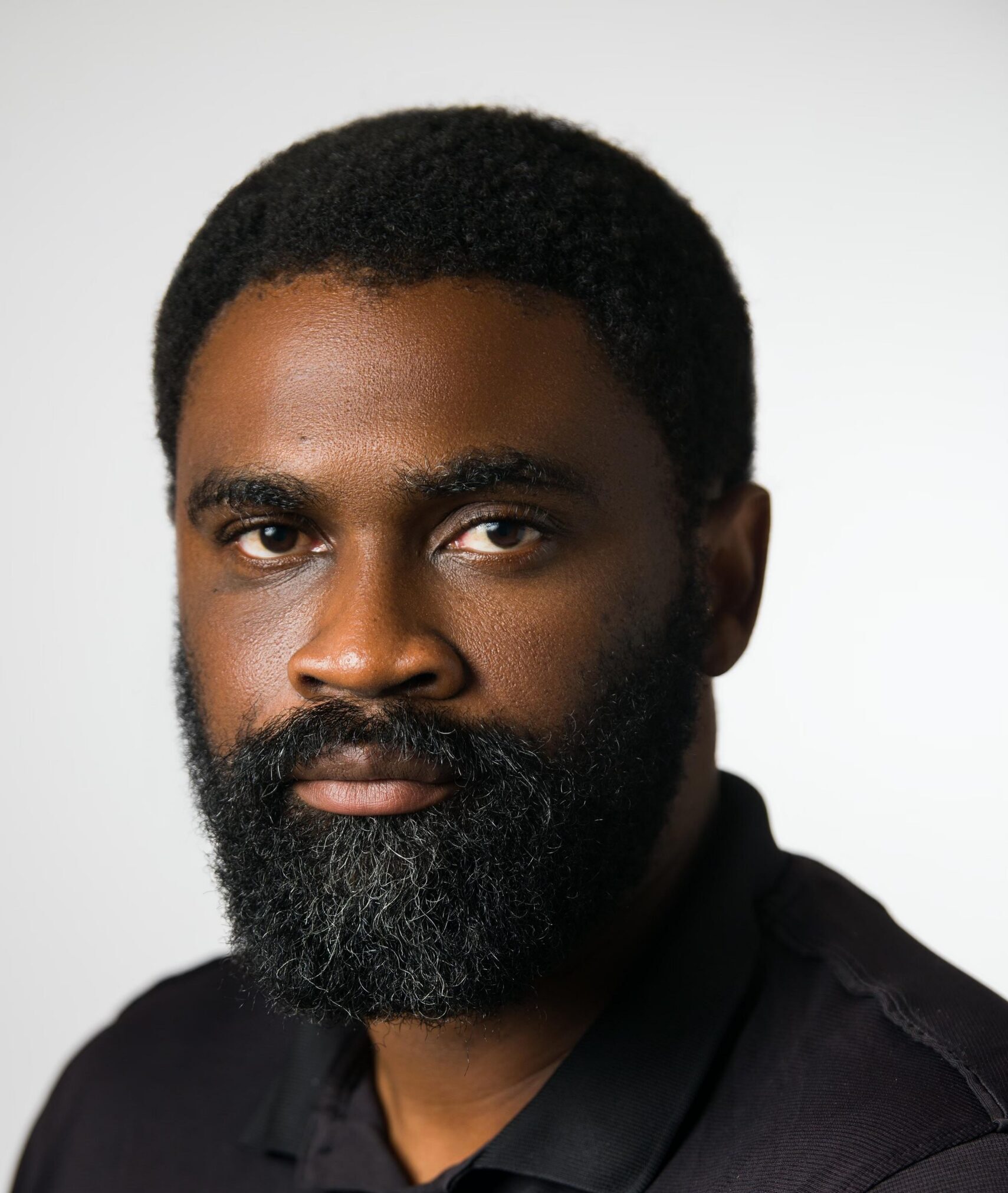
A devastating maritime tragedy that unfolded off Guyana’s coast has sparked urgent calls for sweeping safety reforms across the Caribbean Community (CARICOM), with leading regional economist and transport consultant Jeremy Stephen arguing the disaster stems from systemic operational negligence, not inherent flaws in the bloc’s planned inter-island ferry network.
The incident occurred late Saturday, when the MV Barima, a government-operated ferry traveling from Guyana’s capital Georgetown to the remote inland village of Port Kaituma, capsized near the mouth of the Pomeroon River in the choppy Essequibo River region. Early investigative reports point to extreme tidal conditions or an unusually large wave as the immediate trigger that flipped the vessel, which was carrying 133 passengers and crew at the time of the accident.
A large-scale multi-sector search and rescue operation, mobilizing assets from Guyana’s government, private shipping firms and local energy companies, has pulled 67 survivors from the water, including 15 children. As of the latest update, 10 bodies have been recovered, confirming 10 fatalities, while 56 people remain unaccounted for. The ongoing official investigation has already uncovered troubling red flags: both the ferry’s captain and a senior crew member tested positive for marijuana following the incident, prompting investigators to probe potential institutional failures and crew misconduct as contributing factors.
Speaking on the disaster, Stephen — who also works as an aviation consultant and licensed pilot — emphasized that the tragedy is the direct result of avoidable human error, not the inherent risk of regional ferry travel. “This case comes down to gross negligence, regardless of the technology or the type of infrastructure available,” he explained, noting that early counts already suggest more passengers were aboard than listed on the official manifest, a clear violation of basic operational rules. “That could happen with any ship or any type of condition.”
Drawing a parallel to strictly enforced aviation safety protocols, Stephen noted that core rules around weight limits, vessel balance and operator sobriety are universal across all modes of transportation. “If you pack an aircraft too heavy and hit choppy turbulence, even the most well-built plane can suffer catastrophic failure,” he said. “And an operator flying under the influence of drugs has impaired decision-making that puts everyone at risk — that is true at sea just as it is in the air.”
While Stephen acknowledged that the Essequibo River is notoriously rough even in calm weather, he pushed back against growing calls to scrap CARICOM’s proposed intra-regional ferry initiative linking Trinidad, Guyana and Barbados, stressing that the circumstances of the Guyana disaster bear no relation to the planned service’s operational reality. The MV Barima, he pointed out, was an aging vessel severely overcrowded on its voyage, a stark contrast to the modern roll-on/roll-off passenger (Ro-Pax) ferries that the regional initiative plans to deploy, which are purpose-built for safer, more reliable operations.
Describing the preventable loss of life as “worse than a category 5 hurricane” — noting that major hurricanes in the Caribbean rarely claim as many lives in a single event — Stephen called the incident a “disaster of national proportions” that delivers a clear warning for the entire region. He argued that CARICOM’s core takeaway must be a non-negotiable mandate for strict operational discipline and consistent regulatory enforcement across all regional maritime operations.
Beyond safety regulation, Stephen reiterated long-standing concerns about the long-term sustainability of the proposed three-nation ferry service, identifying climate change and financing gaps as the initiative’s true major hurdles. He explained that shifting weather patterns have rendered decades-old historical maritime data obsolete, with increasingly extreme and unpredictable weather creating new unquantifiable risks. “We are seeing wind speeds this high in summer, when traditionally winds would not pick up until November and die down by May,” he noted. “Passenger comfort today is vastly different from what it was 50 years ago, and unforecastable intense thunderstorms between Barbados and St. Vincent create risks that operators cannot fully plan for.”
Stephen also expressed deep skepticism that regional governments can secure the substantial financing required to purchase new, technologically advanced Ro-Pax vessels designed to withstand rough open-ocean conditions. Without this investment, he warned, the service will likely be forced to rely on older, less seaworthy vessels that carry inherent risk.
Geography adds another layer of challenge, Stephen added, particularly for routes serving Barbados. Any route approaching the island from the southern Caribbean must confront severe open-ocean swells and persistent headwinds that even experienced sailors and fishermen routinely avoid, though routes departing Barbados for the Eastern Caribbean and the Trinidad-to-Barbados leg face far more favorable conditions. For CARICOM to advance its regional connectivity goals safely, Stephen concluded, the bloc must address both the urgent need for strict safety enforcement and the new realities of a changing climate.