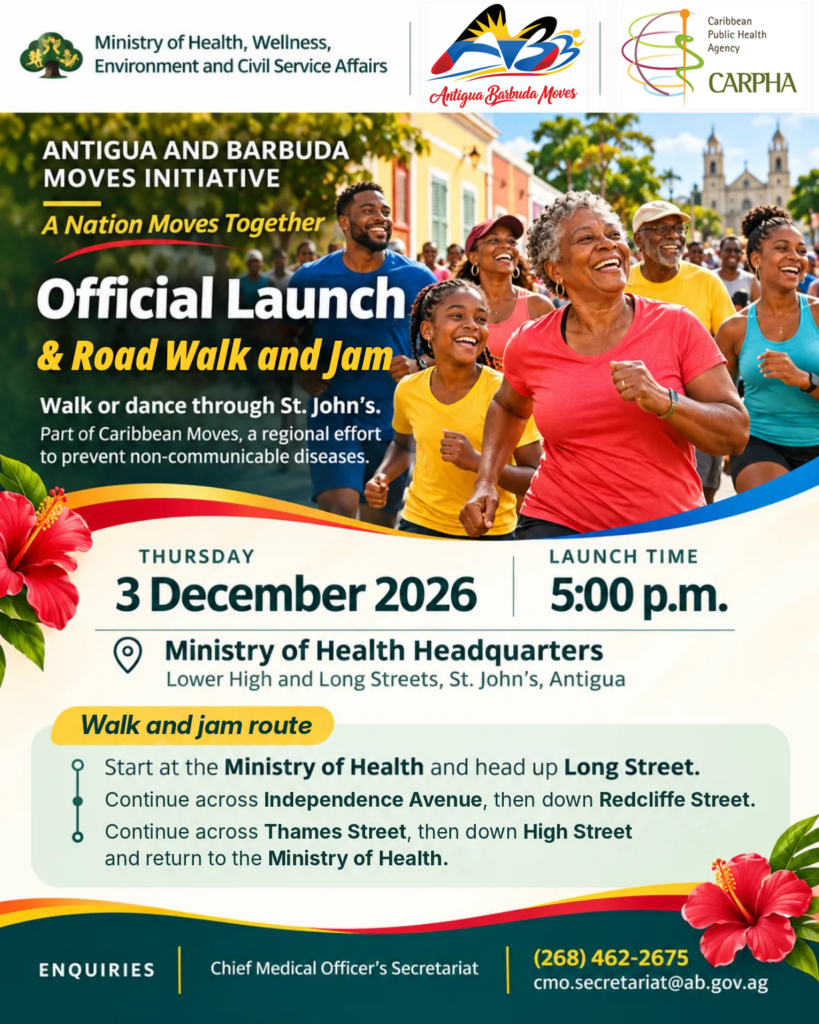
The twin-island Caribbean nation of Antigua and Barbuda has formally announced the upcoming rollout of a comprehensive national public health campaign designed to systematically elevate rates of physical activity, improve population dietary patterns, and reduce the rising prevalence of preventable non-communicable diseases across its 100,000-strong resident population. Scheduled to kick off in the first quarter of 2025, the multi-pronged initiative will bring together cross-sector partners including the Ministry of Health, Ministry of Sports, local school boards, community recreation associations, private fitness operators, and regional public health agencies to deliver targeted programming for all age groups. For children and adolescents, the plan mandates expanded daily physical education curricula in all public primary and secondary schools, alongside free after-school sports clubs and active commuting infrastructure upgrades such as protected pedestrian and cycling lanes connecting residential neighborhoods to school campuses. For working-age adults, the government will partner with private sector employers to roll out workplace wellness challenges, subsidized gym memberships, and flexible break policies that encourage short movement sessions during work hours, while senior residents will gain access to low-impact group exercise classes at community centers, free nutritional counseling, and designated accessible walking trails across both islands. Health officials note that non-communicable diseases including type 2 diabetes, hypertension, and cardiovascular conditions currently account for over 60% of all annual deaths in Antigua and Barbuda, a trend that has accelerated in the past decade due to shifting sedentary work patterns, rising consumption of ultra-processed imported foods, and limited public access to affordable, safe recreation spaces. The new initiative will also include a nationwide public awareness campaign across local radio, television, and social media platforms to dismantle common misconceptions about physical fitness, highlight low-cost accessible activity options for low-income households, and foster a national cultural shift that prioritizes regular movement and balanced nutrition as core components of daily life. Government representatives have confirmed that the program will be funded through a combination of domestic public health allocations and targeted grant support from the Pan American Health Organization, with annual independent audits to measure progress against predefined metrics including population average weekly physical activity levels, childhood obesity rates, and new diagnoses of preventable chronic conditions.
Antigua and Barbuda to Launch National Initiative to Promote Healthy and Active Living