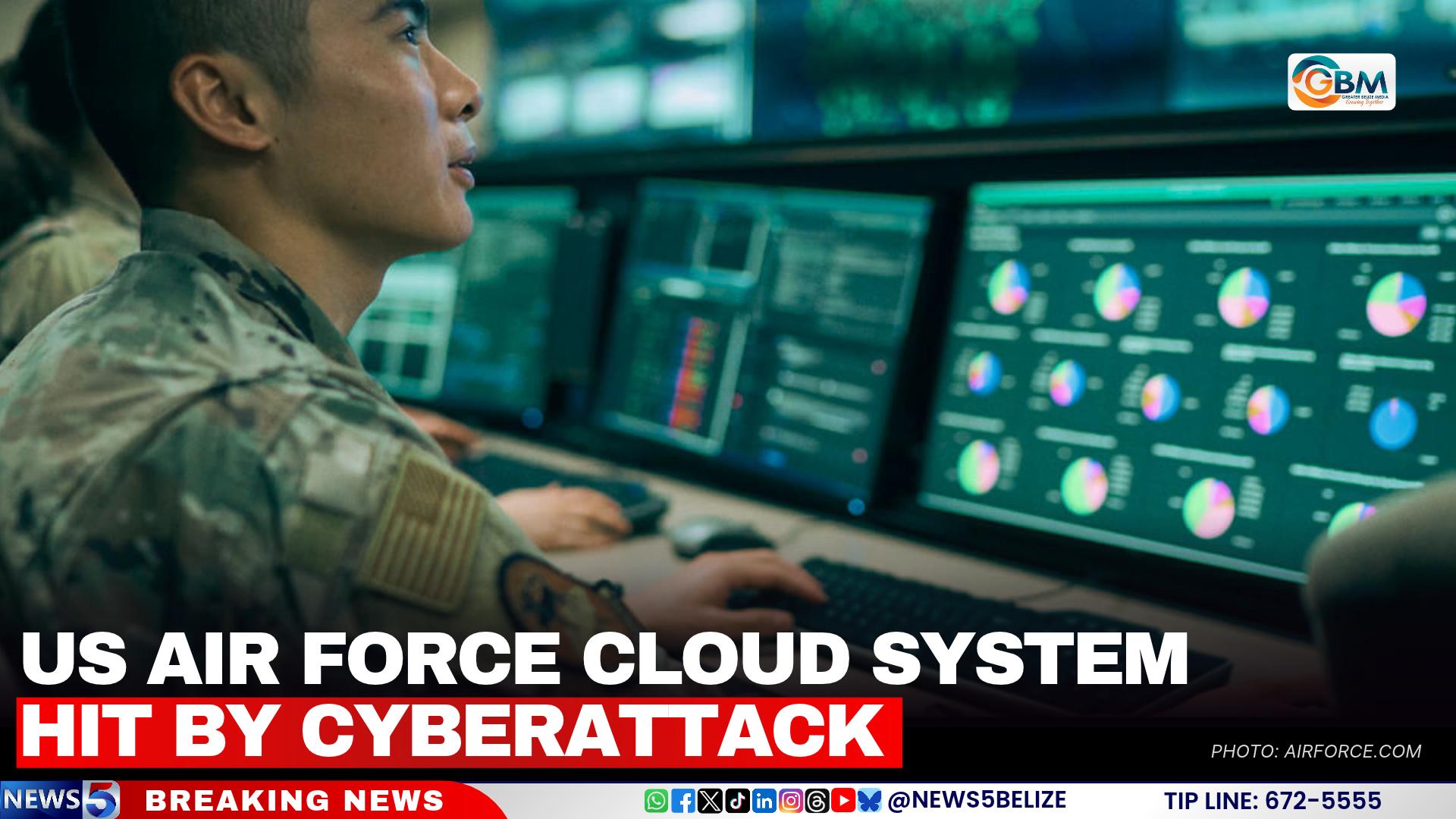
On November 27, 2026, emerging reports confirm that the U.S. Air Force’s centralized Cloud One computing platform has fallen victim to a cyber intrusion, raising urgent concerns over the safety of highly sensitive military datasets spanning personnel records, global munitions tracking, logistics operations, and aircraft maintenance schedules. The breach was first uncovered by Reuters on a recent Friday, with two anonymous insiders familiar with the investigation disclosing that unauthorized actors gained access to the system during a scheduled software upgrade process that took place within the preceding 30 days. As of press time, investigators have not yet pinpointed the identity of the threat actors, mapped the full scope of the system compromise, or verified whether any classified or sensitive data has been exfiltrated, though the attack has already caused measurable disruptions to regular Air Force operational workflows. Cloud One, the Air Force’s flagship cloud infrastructure hub, leverages commercial cloud services from major tech providers including Microsoft, Amazon, Oracle, and Alphabet to host a sprawling ecosystem of critical operational tools: beyond managing personnel files and payroll processing, the platform underpins core command and control functions, coordinates global spare parts distribution for aircraft fleets, and tracks real-time munitions inventory levels across over 200 global military installations. One senior source briefed on the incident emphasized the gravity of the breach, noting “A breach here is a big deal,” while a second insider confirmed that the attackers leveraged an unpatched software vulnerability to seize administrative control functions on the platform, a level of access that could theoretically allow bad actors to extract detailed data on classified aircraft operational movements and sensitive military supply chain routes, though no evidence of such unauthorized data access has been formally confirmed to date. When reached for comment, U.S. Air Force officials declined to provide specific details about the Cloud One platform’s current security status, issuing a generic statement that read: “We continuously take prudent measures to protect the Department [of the Air Force] information, systems and mission capabilities.” This Air Force cyber incident does not exist in isolation: it unfolds against a recent surge in coordinated cyber intrusions targeting U.S. federal government networks, with separate reports surfacing earlier that same week that threat actors had successfully gained access to a sensitive intelligence analysis system jointly operated by the Central Intelligence Agency and the Office of the Director of National Intelligence.