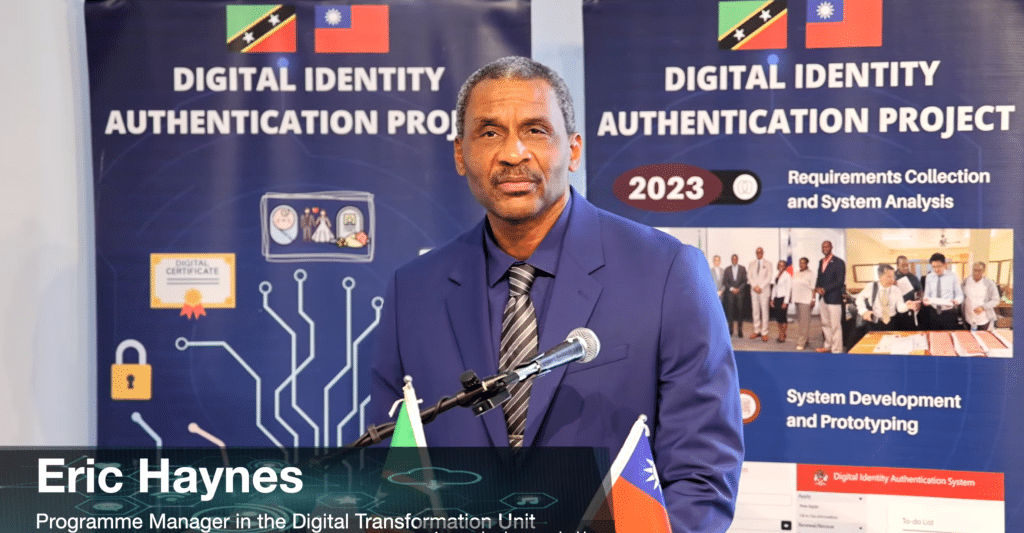
On November 25, 2026, the government of St. Kitts and Nevis formally received the completed first phase of its national Digital Identity and Authentication System from Taiwan, marking a major milestone in the island nation’s long-planned digital transformation roadmap. The handover, which caps three years of cross-institutional collaborative work launched under a 2022 bilateral cooperation agreement, paves the way for full national enrollment and distribution of secure, chip-embedded digital ID cards for all citizens and eligible residents. Government officials have outlined a structured second phase of the initiative that will first establish a dedicated card distribution office under the Ministry of National Security, leveraging newly delivered software infrastructure designed to support secure card personalization and issuance. The integrated eID platform is engineered to seamlessly connect with a wide portfolio of public services, including streamlined birth certificate application workflows, social welfare benefit disbursements, tax payment portals, and a dedicated online business identity verification system for local entrepreneurs. Hon. Konris Maynard, Minister of Information, Communication, Technology and Posts, emphasized that the immediate priority moving forward is driving widespread public adoption across every community in the federation, ensuring no demographic or remote population group is excluded from access. He noted that the expanded digital ID ecosystem will unlock secure, frictionless access not only to government services but also to banking, e-commerce and other critical private-sector online transactions. Prime Minister Hon. Dr. Terrance Drew framed the digital ID program as the foundational backbone of the country’s broader public service digitization agenda, designed to drastically cut processing wait times for citizens interacting with state agencies. Nigel Carty, National Security Minister Advisor and head of the Digital Transformation Unit, highlighted the project’s core purpose: addressing longstanding gaps in the country’s legacy identity verification framework that have left residents vulnerable to identity fraud, a risk projected to escalate exponentially as deepfake and synthetic identity technologies become more pervasive globally. While reflecting on the three-year development journey, Digital Transformation Unit Program Manager Eric Haynes acknowledged the initiative encountered a mix of notable breakthroughs and unanticipated delays alongside periods of rapid progress, with joint technical teams from St. Kitts and Nevis and Taiwan completing full system design, rigorous testing, initial deployment, and targeted public sector staff capacity training to support long-term operation. This rollout aligns with a growing regional trend across the Caribbean, following Saint Lucia’s earlier 2026 launch of a centralized National Authentication Framework that enables residents to access multiple government services via a single verified digital identity credential.
St. Kitts and Nevis prepares to issue digital ID cards after Taiwan handover | Biometric Update