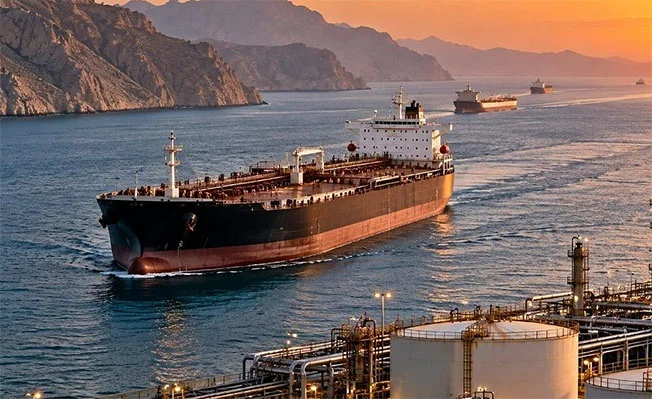
On November 27, global energy markets saw renewed upward pressure on crude oil benchmarks, as mounting geopolitical unrest across key Middle East energy transit and production hubs reignited widespread concerns over potential disruptions to the world’s oil and gas supply chains.
The day’s price rally followed a string of high-stakes reported incidents: Yemen’s Houthi rebel movement claimed responsibility for a drone or missile strike targeting Saudi Arabia’s critical Ras Tanura oil refinery, one of the largest and most strategically important processing facilities on the Arabian Peninsula. Concurrent official updates from Iranian authorities confirmed multiple commercial vessels navigating the Strait of Hormuz had struck naval mines, triggering immediate alarm across the global shipping and energy sectors. As of press time, full assessments of physical damage to Saudi energy infrastructure, vessel casualties, and potential interruptions to production and export flows remain unconfirmed, leaving market analysts on high alert for cascading operational impacts.
By Thursday’s market close, global benchmark Brent crude had climbed 1.73% to hit $96.25 per barrel, while the U.S. domestic West Texas Intermediate (WTI) crude marker settled at $84.78 per barrel, marking a 1.31% daily gain. The uptick extends a sharp rally that began the preceding Wednesday, when Brent crude surged 3.5% in a single trading session amid early reports of rising regional tensions.
The Strait of Hormuz, a narrow 39-kilometer waterway separating the Persian Gulf from the open Indian Ocean, carries roughly one-fifth of all global seaborne oil and natural gas trade, making any disruption to its shipping lanes a systemic risk for the international energy system. Even temporary restrictions on vessel passage would send ripple effects across fuel, manufacturing, and consumer markets worldwide.
Despite the recent price surges, market volatility remains exceptionally high, pulled in opposing directions by competing macroeconomic forces. Many analysts continue to project a potential global oil surplus in the coming quarters, paired with widespread uncertainty over the pace of post-pandemic economic growth in major consumer economies including the European Union, China, and the United States. For net oil-importing nations, extended periods of elevated crude prices translate directly to steeper gasoline and diesel costs, inflated logistics and transportation expenses, and sustained upward pressure on consumer inflation rates that could complicate central bank efforts to lower living costs.
The price shifts carry unique dual implications for Suriname, the small South American nation that is on the cusp of launching large-scale commercial offshore oil and gas production, positioning it to become a significant regional energy exporter in coming years. At present, however, Suriname still relies on imports to meet a substantial share of its domestic fuel demand, leaving its local consumers and small businesses exposed to the immediate cost shocks of global crude price hikes.
Olieprijs stijgt door nieuwe dreiging voor mondiale olievoorziening