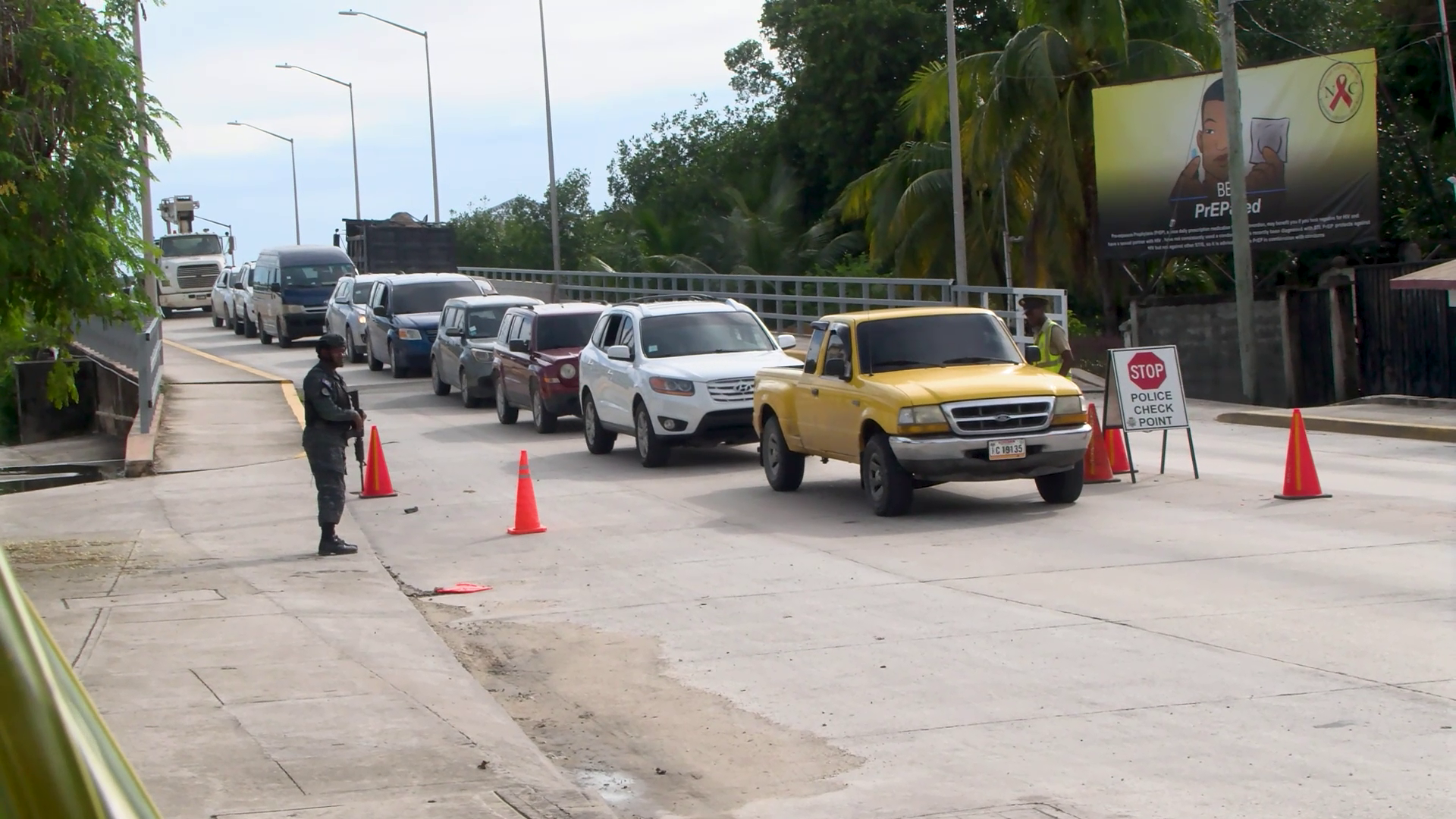
On November 26, 2026, senior Belizean government officials confirmed that widespread public discontent over disruptive police traffic checkpoints has become a recurring priority discussion at the highest levels of national governance. Julius Espat, Minister of Infrastructure Development and Housing — who previously served a two-month tenure as Minister of Police — shared that grievances related to overbearing traffic stops are raised during every weekly Tuesday cabinet meeting, with complaints streaming in from communities across Belize City and surrounding regions. Espat noted that during his time leading the police portfolio, the administration actively rolled back the scale of random traffic stops to reduce public disruption, but oversight of the policy has since transitioned to the newly appointed Minister of Police. While acknowledging that ordinary citizens face significant frustration, particularly when delayed on their commute home after long workdays, Espat emphasized that police deploy checkpoints as a frontline intervention to curb a recent sharp surge in national crime rates. He clarified that cabinet has not issued formal binding directives on the policy, but has formally requested that both the Minister of Transport and the current Minister of Police conduct a joint review to adjust the timing and scope of checkpoints to minimize unnecessary disruption for the public. The announcement follows a recent public consultation in Belize City, where local residents voiced sharp complaints about hours-long traffic delays caused by the checkpoints; Belize City Mayor Bernard Wagner had previously pledged to roll out a targeted mitigation plan to address the community’s concerns. Espat also extended a public appeal to Belizean residents for patience as law enforcement and government leaders work to strike a balanced compromise between public safety objectives and unimpeded daily travel.