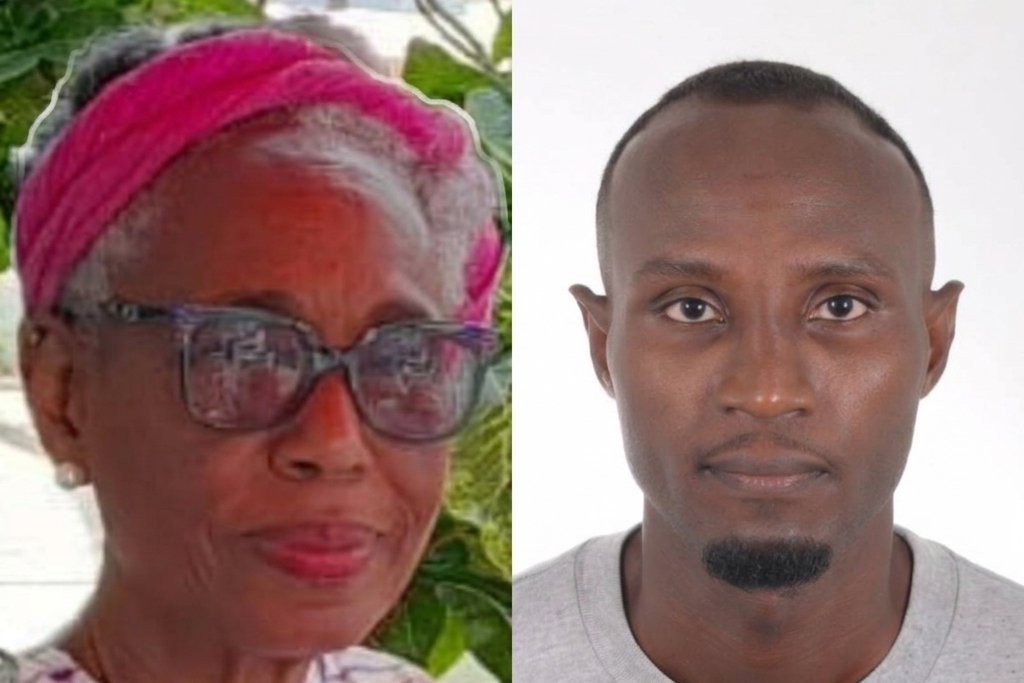
A dedicated seven-member team of Vincentian community members is advancing a landmark oral translation initiative to produce a full audio version of the Christian New Testament in the distinct, widely spoken Vincentian dialect, a long-requested resource for local residents who prefer engaging with religious text in their mother tongue. Led by veteran community figure Angela Castello-Byron, the core cohort includes Frances Clarke, who holds dual master’s degrees in adult education and theological studies, alongside Marvin Rodgers, Samuel Young, Annie Bobb, Kathy Badenock, and Saskia Etienne. While two members have stepped away from active day-to-day project duties, their pre-recorded voice contributions will still feature prominently in the final published audiobook. This community-led effort falls under the umbrella of the Wycliffe Vincy Telling Everyone About Mission program, a key component of the broader Eastern Caribbean Oral Bible Translation project administered by Wycliffe Bible Translators Caribbean, a regional branch of the global Wycliffe Global Alliance network. The Vincentian team is collaborating closely with parallel translation groups across Trinidad, Tobago, and Barbados, each working to craft culturally and linguistically accurate audio scripture versions tailored to their own local dialects. The entire initiative traces its origins to the Caribbean Scripture Engagement Assessment, a pre-project research effort designed to measure public demand for faith resources delivered in local, mother-tongue languages. As Clarke shared in an exclusive interview with iWitness News, the assessment deployed two core outreach strategies: community-focused “Taste of Translation” workshops that introduced local residents to the mechanics of vernacular scripture translation, and a structured pilot of the full oral translation workflow. A heavily attended 2023 community workshop in St. Vincent confirmed overwhelming local support for a Vincentian dialect scripture resource, convincing Wycliffe Caribbean leadership to formally greenlight the regional multi-island project. The team strategically selected the Gospel of Luke and the Book of Acts as their first two translation targets, given that both texts were authored by the same historical figure, Luke, and together offer a cohesive narrative covering Jesus Christ’s earthly ministry and the earliest days of the Christian church immediately following his resurrection and ascension, before the formation of modern denominational divides. After completing formal specialized training in August 2024, the team kicked off active translation work the following month, with an initial three-year project timeline. Clarke noted that the group will likely need to request a formal timeline extension to fully complete the entire New Testament, given the rigorous quality standards the team has committed to upholding. To date, the full draft of the Gospel of Luke has been finalized, and the team is currently weighing two options: releasing the completed Luke audiobook as a standalone resource in the near term, or holding all published content until the full New Testament translation is finished, with no official public release date set as of yet. The entire community-led project is funded entirely by voluntary public donations and community offerings, with no corporate or state funding supporting the work. Before any audio content is made available to the public, it must pass a multi-stage, rigorous quality control framework designed to ensure complete doctrinal and linguistic accuracy, and prevent the propagation of misinterpreted religious content. The process prioritizes rigorous exegesis, or direct analysis of the original Koine Greek manuscripts that form the historical source of the New Testament, rather than a simplistic word-for-word translation from existing English Bible versions. “This is a meaning-for-meaning translation, not a literal word swap, because you cannot accurately convey the true intent of a passage if you do not fully grasp its original contextual and linguistic meaning first,” Clarke explained. The Old Testament, originally written primarily in Biblical Hebrew, falls outside the scope of the current project mandate. Once the core contextual meaning of a passage is agreed upon by the translation team, members deliberate collaboratively to find the most natural, widely understood phrasing for that passage in the Vincentian dialect. Draft passages are then reviewed by specialized theological consultants who cross-reference the content directly against the original Greek manuscripts, before moving to a second review stage focused on audio delivery clarity, natural dialect flow, and tonal appropriateness. In addition to formal consultant reviews, the team conducts extensive field testing of draft passages with cross-sections of the local public, including regular non-churchgoers, secondary school students, and community college learners, to ensure the translated language feels accessible and natural to the full Vincentian population. Clarke shared a recent positive anecdote of a local colleague who tested a draft excerpt and integrated it into his personal daily devotional practice, noting he was “blown away by how relatable and immersive the content felt in our home dialect.” While all seven original team members are practising Christians with formal backgrounds in either education or seminary training, Clarke emphasized that the most critical qualification for team membership is daily, native fluency in the common Vincentian home dialect. The team faces unique structural and logistical hurdles that their peers on smaller, single-island Eastern Caribbean translation teams do not encounter: the Vincentian population is spread across a sprawling archipelago, with team members residing in geographically dispersed locations including Canouan, Georgetown, the Leeward coast, and Sharpes on the main island, making regular in-person collaboration impossible and forcing all day-to-day workflow to operate fully online. Clarke, who has deep personal and professional ties across multiple Caribbean nations, noted that she must remain constantly vigilant to avoid accidentally letting linguistic tics, accents, or phrasing from other regional Caribbean dialects seep into the Vincentian translation. To ensure the final audio product is fully authentic to local linguistic norms, the team relies on constant peer review of each other’s recorded audio segments, rather than assigning all voice recording duties to a single narrator. “We have the most complex assignment out of all the regional teams, because our final product has to represent the entire Vincentian archipelago, and there are subtle but distinct dialect nuances across Union Island, Canouan, Mayreau, the Windward side of the main island, and the Leeward side,” Clarke explained. “We have to craft a single, unified audio translation that feels familiar and authentic to every Vincentian, no matter which part of our island chain they call home.”
Vincentian team translates New Testament into local dialect