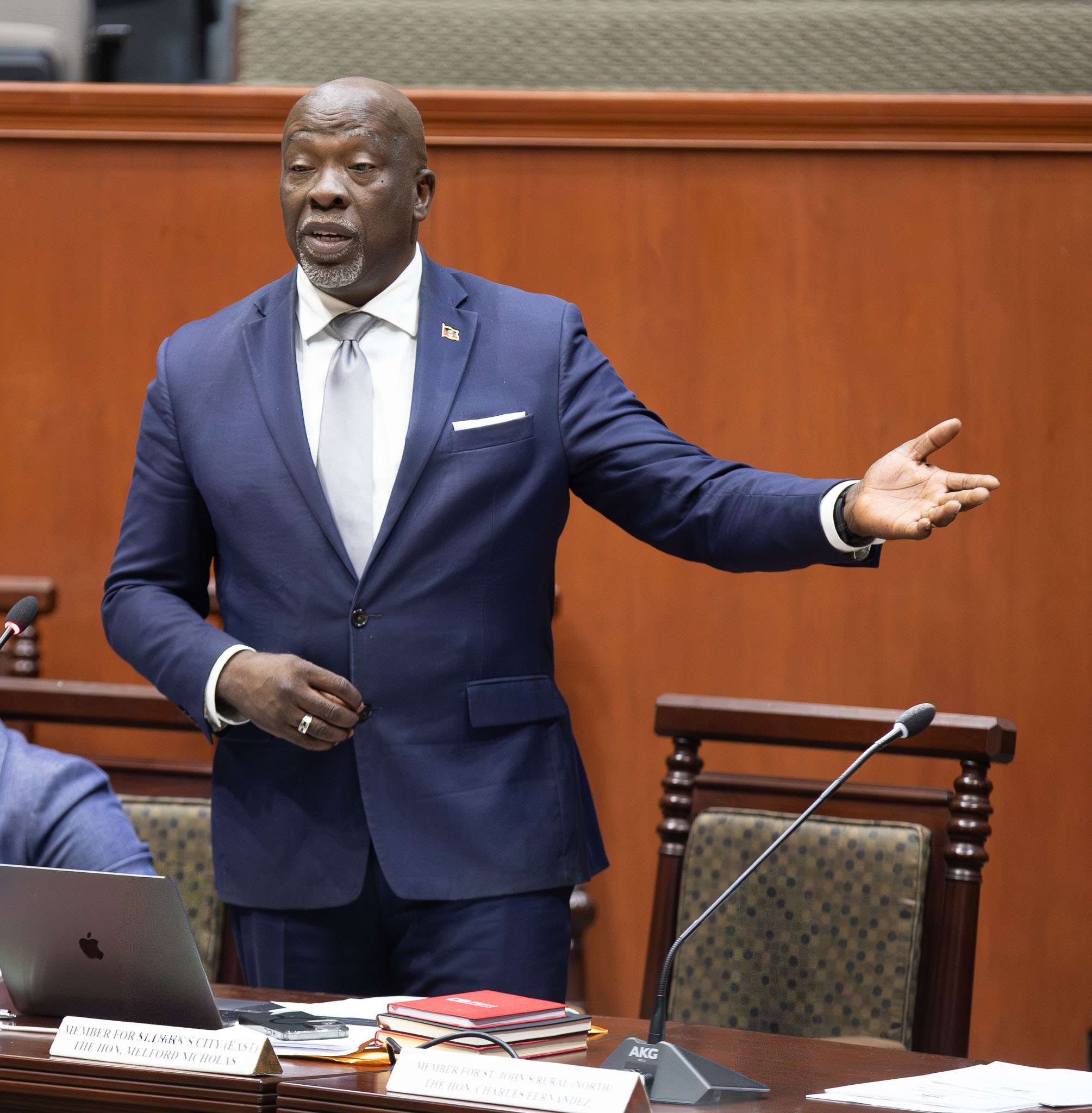
The twin-island nation of Antigua and Barbuda has formally set an ambitious national target to fully automate and digitize every core government service across all public agencies by 2030, with Information Technology Minister Melford Nicholas slated to lay out the full scope of required digital infrastructure investments during his forthcoming national budget address. The timeline was personally mandated by Prime Minister Gaston Browne, a timeline Nicholas openly acknowledges represents a colossal, cross-government operational challenge. “This is undoubtedly a very tall order, but it is far from unachievable with coordinated planning and targeted investment,” Nicholas shared during a recent appearance on Pointe FM’s popular *Taking Stock* current affairs programme. To turn the 2030 vision into tangible progress, Nicholas outlined that every individual government ministry will be required to develop a granular, actionable road map that explicitly catalogues all existing public services, prioritizes which ones to migrate to digital delivery first, and maps out step-by-step implementation milestones to bring those services fully online. Two critical foundational components are non-negotiable for the success of the initiative, the minister emphasized: the construction of a centralized, secure government data centre, and targeted updates to existing legislative frameworks that currently restrict seamless, lawful sharing of public agency-held information. Under the proposed new interoperability rules, isolated government databases across different ministries will be configured to exchange verified data in real time, eliminating the redundant, repetitive practice of asking citizens and businesses to submit the same personal or operational information to multiple separate public offices. As a practical example of this streamlined system in action, Nicholas noted that officials at the Trade Ministry would be able to instantly pull verified, real-time import data directly from Customs systems, including full records of total poultry import volumes and their countries of origin, without submitting formal, time-consuming manual data requests. The digitization framework also includes provisions to release carefully anonymized, privacy-protected aggregated government datasets to private sector businesses, giving local and international firms access to high-quality market intelligence to inform investment and operational decisions, with zero risk of exposing any individual citizens’ sensitive personal information. To build the local technical capacity required to deliver the sweeping transformation, Minister Nicholas announced plans to host a dedicated national technology summit in the first quarter of 2027, bringing together both resident Antiguan and Barbudan IT professionals and top tech experts from the country’s global diaspora. He noted that recent engagements during the Commonwealth Heads of Government Meeting (CHOGM) Business Forum already connected government officials with dozens of skilled overseas nationals who have built robust, industry-grade computer systems, custom software and consumer-facing applications across global markets. Combining that accumulated international expertise with the deep on-the-ground contextual knowledge of local tech workforces, Nicholas argued, will create the skilled talent pool needed to avoid costly external vendor dependencies and deliver a digitized public service ecosystem tailored specifically to the needs of Antigua and Barbuda’s population.
Antigua and Barbuda aims to put all government services online by 2030