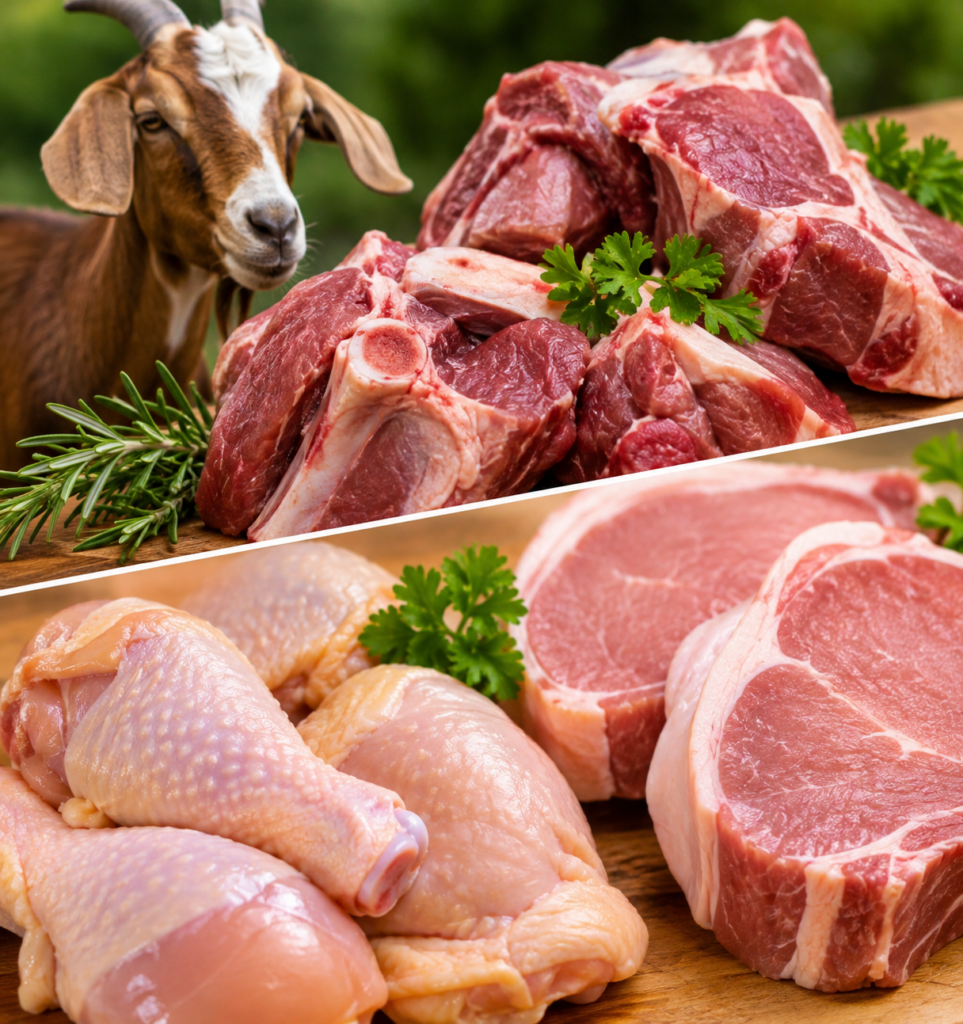
Newly released official Consumer Price Index (CPI) data from Antigua and Barbuda’s National Bureau of Statistics, published on a Monday in late 2026, paints a sharply uneven picture of grocery and household cost dynamics across the twin-island nation. While overall food prices posted a 1.7% year-over-year decline as of October 2026, and the broader food and non-alcoholic beverages category dropped 1.4%, consumers who regularly purchase goat, lamb, and mutton are facing a staggering 21.2% annual surge in costs for these products, making it one of the steepest price hikes tracked for any meat segment in the report. The dedicated index for lamb, mutton and goat jumped from 119.35 in October 2025 to 144.60 in October 2026, with an additional 2% month-over-month uptick recorded between September and October 2026, confirming the upward price momentum showed no signs of slowing in the latest measured period. Beef and veal also saw dramatic cost growth, logging a 14.6% annual increase and an even more striking 17.8% spike in just the 30 days between September and October 2026. These sharp rises for red meat staples stand in stark contrast to other protein categories, which saw notable price relief for shoppers: pork costs fell 15.3% year-over-year, while poultry prices dipped 4.7% over the same 12-month window. Other grocery segments also delivered cost savings for households, with fish and seafood prices dropping 9.9% and vegetable costs declining 7.4% compared to October 2025. That said, not all non-meat food categories trended downward: oils and fats posted a 13.7% annual increase, and cheese prices climbed 6.2% over the 12-month period. The lopsided food cost landscape arrives as Antigua and Barbuda’s headline annual inflation rate hit 8.6% in October 2026, a marked rise from 7% recorded in September and 5.5% in August 2026. Non-food essential costs are driving much of that broader inflation burden: electricity expenses skyrocketed 44.3% year-over-year, transportation costs rose 19.7%, and residential rental rates increased 9.3% over the 12-month period. Notably, the National Bureau of Statistics’ latest publication does not disclose the average per-pound retail prices for goat, lamb or mutton, nor does it pinpoint the root causes behind the outsized red meat price hikes. The report does not confirm whether the steep increases stem from elevated import costs, domestic supply shortages, or other unstated market conditions, and officials have not offered any public forecast on whether the upward price trajectory for goat and lamb will persist in the final months of 2026 or early 2027. The full dataset underscores that inflationary pressures are not evenly distributed across Antigua and Barbuda’s economy: while many households will see savings on purchases of pork, chicken, seafood and fresh produce, families that rely on goat, lamb or beef as dietary staples are facing compounded budget strain at a time when soaring utility, transport and housing costs are already stretching disposable incomes thin.