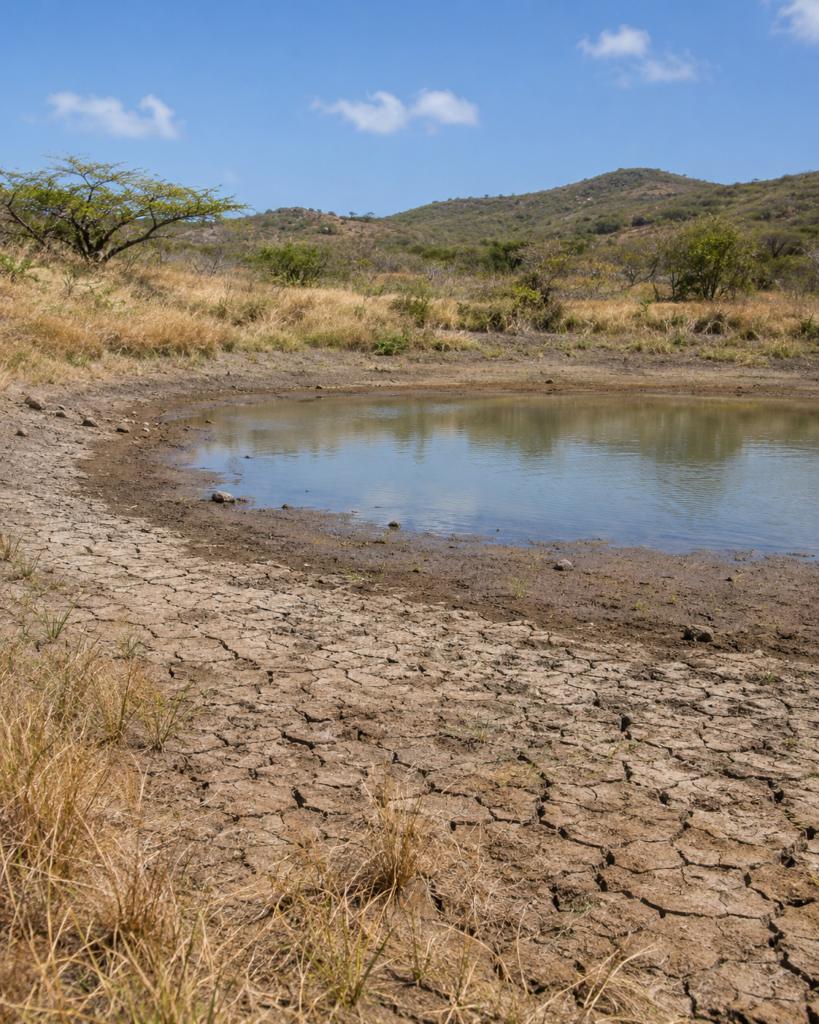
Regional climate specialists have issued a stark early alert that Antigua will likely need to be placed under an official drought warning by the close of January, as a rapidly intensifying El Niño event drives elevated dryness risks across most of the Caribbean archipelago.
Delivering remarks to reporters in St. Vincent on Tuesday, Adrian Trotman, head of the Applied Meteorology and Climatology division at the Caribbean Institute for Meteorology and Hydrology, called on all Caribbean member states to proactively roll out preparedness measures to mitigate cascading hazards tied to the 2026–27 dry season, amplified by the ongoing El Niño system. Trotman flagged three interconnected, high-impact threats as top priorities for local authorities: sustained severe drought, record-breaking extreme heat, and widespread unplanned bushfires.
“Under El Niño conditions, these three overlapping hazards that typically emerge during the dry season can escalate to unprecedented intensity far beyond historical seasonal averages,” Trotman noted in comments distributed by the Caribbean Media Corporation. He added that extended stretches of below-average precipitation paired with unseasonably high ambient temperatures will parch native vegetation, turning vast swathes of forest and underbrush into highly combustible fuel that drastically raises the probability of large, fast-moving wildfires.
The latest November edition of the official Caribbean Drought Bulletin confirmed that long-term, cumulative drought conditions were already taking hold across Antigua as the month drew to a close. Extended gaps in seasonal rainfall will first drain water reserves in large municipal reservoirs, deplete critical groundwater aquifers that supply most of the region’s drinking water, and trigger cascading shortages for residential and commercial users. Even shorter, acute dry spells will rapidly deplete soil moisture, dry up small ponds and rural streams, creating immediate operational challenges for smallholder farmers who rely on these water sources for crop irrigation and livestock rearing.
El Niño is a naturally recurring climate phenomenon defined by anomalous warming of surface ocean waters across the central and eastern tropical Pacific, a shift that ripples outward to disrupt normal weather systems thousands of miles beyond the Pacific basin. As of its November 12 update, the U.S. National Oceanic and Atmospheric Administration’s Climate Prediction Center calculated a 79% or higher probability that the current El Niño event will persist at strong to very strong intensity through the January to March period. Regional Caribbean forecasting teams project that most territories across the archipelago will see far fewer rain showers and extended wet spells than the long-term seasonal average between November and January.
Trotman’s briefing was held one day in advance of the official full regional dry-season forecast launch scheduled for Wednesday, a public update that he confirmed will deliver granular, territory-specific projections to help national governments align their emergency response plans. The event also included a dedicated training workshop for local journalists, designed to equip local media with the technical literacy to accurately translate complex climate forecast data into accessible, actionable risk guidance for grassroots Caribbean communities.
Antigua faces drought risk as El Niño strengthens heading into dry season