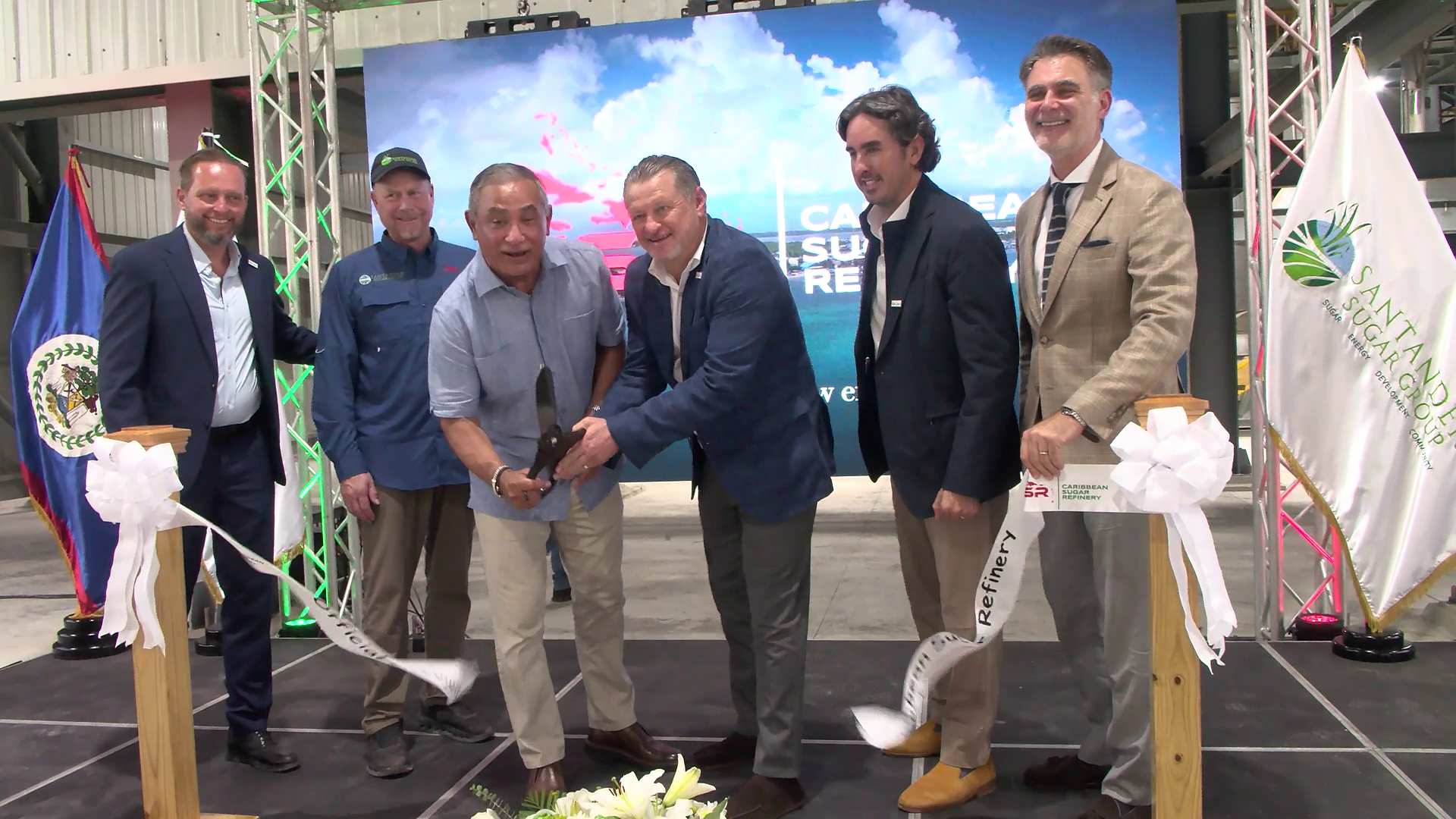
On November 23, 2026, Belize formally launched the Caribbean Sugar Refinery (CSR) — a landmark joint venture between local agribusiness leader Santander Sugar Group and global sugar trader Sucro Limited, operating out of the Cayo District’s Santander compound — marking the first time the Caribbean region will be able to produce sufficient high-grade refined white sugar to serve its own industrial food and beverage manufacturing base. For decades, Caribbean bottlers, commercial bakeries, and snack food producers have been forced to source nearly all of their refined sugar from suppliers outside the CARICOM bloc, often incurring high shipping costs, inconsistent delivery timelines, and limited quality control. The launch of the new facility, which already produced its first batch of top-tier ICUMSA 30 refined sugar just 12 hours before the official launch event, is set to upend that long-standing supply chain dynamic. Per CSR management team member Gilbert Canton, the first formal export shipments to CARICOM member states will roll out in January 2027, triggering the bloc’s long-planned common external tariff mechanism that imposes a 40% levy on all refined sugar imported from outside the CARICOM trade area. The policy measure is designed to create a level playing field for regional sugar producers, cementing the bloc’s status as a self-sustaining sugar production hub rather than a net importer. Belize’s Prime Minister John Briceño confirmed that he has spent months lobbying fellow CARICOM heads of government, particularly leaders of Trinidad and Tobago and Jamaica — the region’s two largest industrial refined sugar consumers — to formalize commitments to prioritize the new Belize-produced supply over cheaper, unregulated imports from global markets such as Brazil. Regional manufacturers have historically sought out the lowest-cost sugar sources, often circumventing rules under the CARICOM Single Market and Economy (CSME) treaty to cut operational costs. To address that risk, Briceño’s administration has deployed a cross-agency team comprising representatives from the Ministry of Foreign Affairs, senior trade diplomats, and leadership from Santander and Sucro to conduct on-site verification visits across member states, demonstrating the refinery’s operational capacity and formalizing binding purchase agreements. CSR consultant Daniel Guitterez emphasized that the facility already holds sufficient raw sugar feedstock to meet 100% of the CARICOM market’s total refined sugar demand, with a formal collaborative pact in place between Santander and Belize Sugar Industries (BSI) — two of the nation’s largest sugar producers — to pool raw material supplies, distribution networks, and technical expertise to avoid supply shortfalls. As BSI communications lead William Neal noted, the cross-industry partnership is a critical, forward-looking step for the bloc’s remaining four active sugar-producing nations (Barbados, Belize, Jamaica, Guyana) to protect the decades of investment in regional sugar agriculture, ensure stable incomes for thousands of small-scale cane farmers, and deliver a more cost-effective, reliable local input for the Caribbean’s fast-growing food and beverage manufacturing sector.