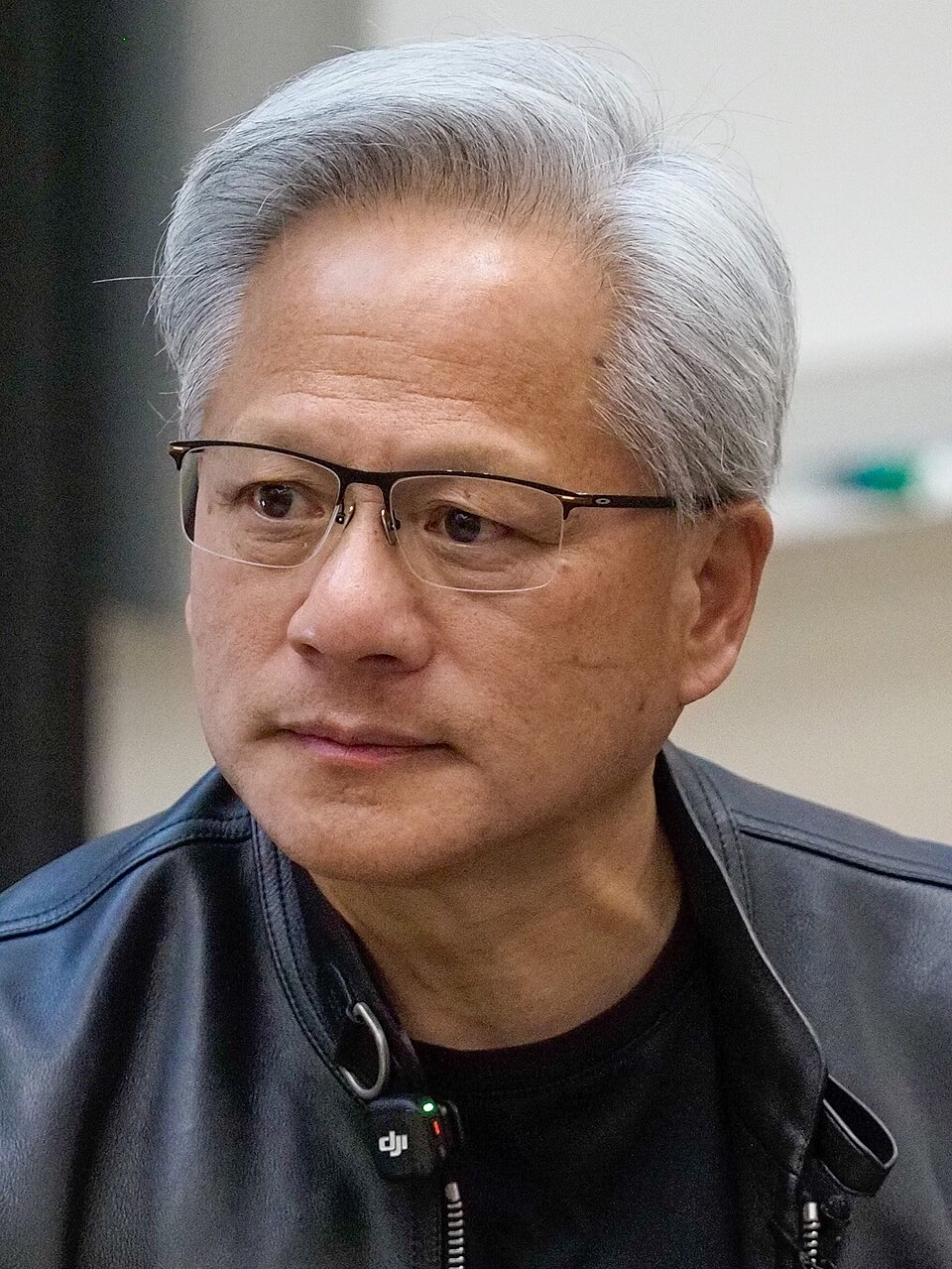
On November 12, 2026, just days after Jensen Huang stepped down from his post as the chief executive officer of global leading AI chip giant Nvidia, the company issued a surprise official announcement reinstating the iconic tech leader to his dual roles as President, CEO, and voting member of its board of directors, effective immediately.
The abrupt reversal followed weeks of swirling controversy: Huang had previously admitted to multiple extramarital affairs, and was the subject of an internal probe over allegations that he shared confidential corporate information with one of his romantic partners, who U.S. law enforcement flagged as an alleged Chinese intelligence operative. Initially, Nvidia’s board had publicly rejected any possibility of Huang returning to a formal leadership position at the firm, a stance that shifted dramatically after a wave of coordinated pressure from industry stakeholders, government officials, and rank-and-file employees.
A petition calling for Huang’s reinstatement amassed more than 180,000 signatures from Nvidia staff, industry partners, and high-profile public figures including Tesla CEO Elon Musk, as supporters argued that Huang’s singular leadership was irreplaceable for sustaining the company’s dominance in the global AI semiconductor market. Adding to the pressure, U.S. President Donald Trump confirmed he had personally held direct conversations with Nvidia’s board members to advocate for Huang’s return to the top executive role.
In a unanimous vote, the board of directors approved Huang’s reinstatement after a series of closed-door deliberations, during which members said they were satisfied with Huang’s transparency and his capacity to steer the company through ongoing industry headwinds. Board chair Harvey C. Jones noted in an official statement that the board had received formal input from senior U.S. government officials, confirming that Huang’s return to leadership presented no national security risks. The board also extended public gratitude to Colette Kress, Nvidia’s long-serving chief financial officer, who had stepped in to serve as interim CEO during the brief leadership transition, and confirmed she would resume her full-time CFO duties.
Huang, who had delivered a widely discussed fireside chat for Stanford University’s CS 153 computer science course earlier that April, struck a humbled tone in his official remarks following the reinstatement. “I am honored to return to NVIDIA and lead one of the most consequential technology companies in the world at the beginning of a new industrial revolution,” he stated, adding that he carried renewed commitment to his role and thanked employees, shareholders, government stakeholders, and his family for their unwavering support.
To address outstanding governance and risk concerns, the board confirmed that its pre-existing independent director committee investigating the alleged intelligence targeting of Huang will continue its work to full conclusion, with Huang pledging full cooperation. The company is also launching two new structural safeguards: a standalone National Security and Export Control Committee made up exclusively of independent directors to oversee trade compliance and national security exposure, and a newly created Chief Compliance Officer role that will report directly to the board’s Nominating and Corporate Governance Committee, as Nvidia moves to formalize protocols to mitigate sensitive information leaks.
Markets reacted immediately and dramatically to the news of Huang’s return: in intraday trading on the day of the announcement, Nvidia’s publicly traded shares (NASDAQ: NVDA) surged by as much as 33%, pushing the company’s total market capitalization up by an estimated $1 trillion in a single trading session.
Jense Huang back as Ceo of Nvidia, company shares jump over 30%