Published on 23 November at 00:59 by Indra Toelsie, this analysis responds to the outcome of the 31st UN Climate Change Conference (COP31), which wrapped up without a binding, unified global framework for coordinated climate action, leaving nations sharply divided over the phase-out trajectory for fossil fuels and shared accountability for cutting greenhouse gas emissions. While this high-stakes international impasse has dominated global climate discourse, its ripple effects carry uniquely urgent stakes for Suriname, a small South American nation on the cusp of a transformative new economic chapter.
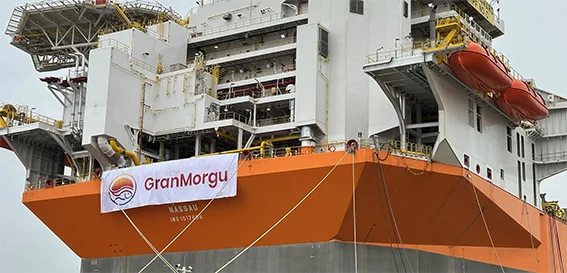
Suriname is set to launch large-scale offshore oil production, most notably through the high-profile GranMorgu project, which has sparked widespread public and government optimism about new streams of state revenue that could fund expanded public services, create thousands of local jobs, upgrade national infrastructure, and lift long-marginalized communities out of systemic poverty. For a nation with decades of unmet development needs, the appeal of this new energy windfall is entirely understandable.
However, this historic opportunity also carries profound, underrecognized risk, as the nation risks repeating the exact same short-sighted prioritization of immediate economic gains over long-term planetary stability that derailed consensus at COP31, but on a national scale. The hazards extend far beyond the well-documented risk of falling into the classic “resource curse” of overreliance on volatile global oil markets: there is a growing danger that policymakers will treat oil revenues as a universal silver bullet to erase all of Suriname’s structural economic and social challenges, rather than a finite, temporary funding stream to invest in long-term resilience.
Oil earnings never guarantee lasting, intergenerational prosperity on their own — that outcome depends entirely on deliberate, transparent choices about how those funds are allocated, distributed, and deployed. The critical fork in the road facing Suriname’s leadership now is whether these new revenues will be used to diversify the national economy away from fossil fuel dependence, scale up investments in public education and universal healthcare, upgrade climate-resilient infrastructure, and lay a stable foundation for future generations, or whether the nation will grow complacent on fluctuating oil earnings while its longstanding structural social and environmental challenges continue to fester. The primary onus for making these prudent, forward-looking decisions rests squarely on the country’s elected political leadership.
At the same time, Suriname can no longer treat its national vulnerability to accelerating climate change as a talking point reserved for international diplomatic summits. The country’s iconic global reputation as a green nation, home to some of the world’s most intact old-growth tropical rainforest, does not offer automatic protection from the cascading impacts of a warming planet. That awareness of climate risk must be embedded into every layer of national policy, from annual government budgets and spatial land use planning to coastal defense infrastructure, freshwater resource management, agricultural policy, and the core design of the country’s long-term economic roadmap.
The tangible harms of climate change are not a distant, abstract theoretical threat for Suriname. Already, the country’s low-lying, erosion-prone coastline faces accelerating flood risk, shifting rainfall patterns are disrupting smallholder agricultural yields, more frequent extreme weather events are destroying community homes and critical public assets, and freshwater systems are under unprecedented strain. These impacts are already harming ordinary citizens, local communities, and core economic sectors — and policymakers cannot afford to wait until catastrophic, costly damage is irreversible to factor these risks into national planning.
This national conversation cannot be left exclusively to politicians, technical climate experts, and international multilateral organizations, either. Every dollar of oil revenue belongs to the Surinamese public, which demands active civic engagement, critical public scrutiny, and consistent oversight. Ordinary citizens have every right to track exactly what decisions are being made about oil funds, where that money is being allocated, and whether the government’s public promises of shared prosperity are actually being delivered. Real collective accountability means more than passive hope for a better future: it means active, sustained public vigilance to ensure that future is actually built for all residents.
COP31 laid bare just how intractable global climate negotiations become when short-term national economic interests collide with shared planetary climate responsibilities. But Suriname does not need to wait for the rest of the world to resolve its divisions to make smart, sovereign choices for its own people. The country retains full autonomy to chart its own unique development path, but that freedom demands bold long-term vision, full fiscal transparency, and the political courage to prioritize intergenerational well-being over short-term political gains.
The oil reserves under Suriname’s offshore seabed are a finite, non-renewable resource, while the cascading impacts of unmitigated climate change will reverberate across dozens of future generations. The most important question facing the nation today is not how much oil it can extract in the coming decades, but how it uses the resulting revenues to shape what kind of country it will leave for the children and grandchildren of today’s citizens. Subterranean natural wealth never automatically translates to broad, shared prosperity across society. Oil can bring Suriname significant short-term revenue, but only thoughtful, far-sighted policy, an engaged and watchful citizenry, and decisions that extend far beyond the next annual government budget can turn that temporary windfall into lasting, sustainable prosperity for all.
Column: De wereld kon het niet eens worden, Suriname moet wel kiezen