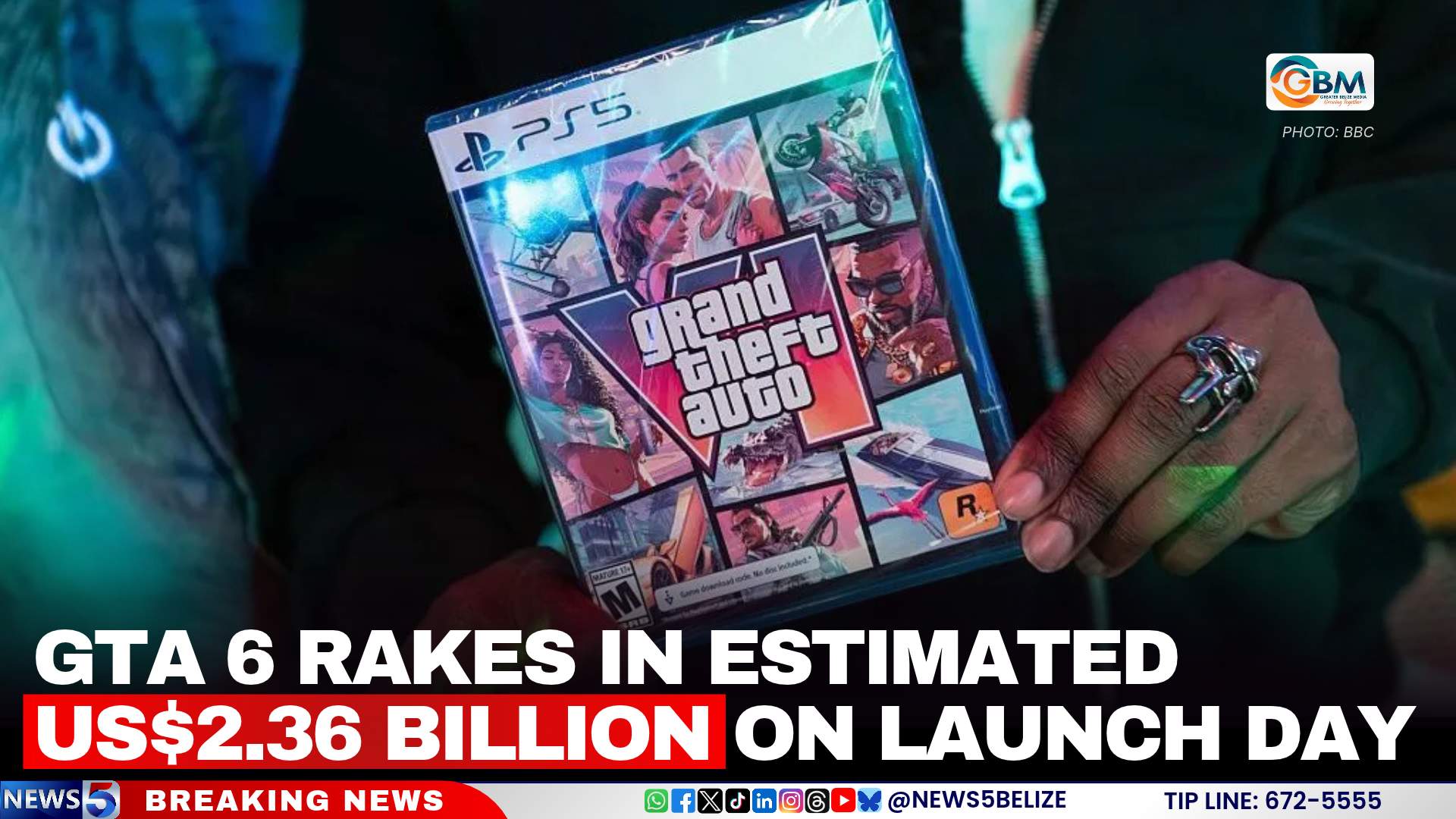
On November 20, 2026, the long-awaited Grand Theft Auto 6 (GTA 6) from developer Rockstar Games made history with an estimated combined total of pre-order and first-day sales reaching $2.36 billion, capping a 13-year wait for the follow-up to the globally iconic GTA 5. Independent market analytics firm Sensor Tower tracked that over 24.5 million copies of the open-world crime simulator were purchased within the first 24 hours of its Thursday launch, with roughly 75% of sales coming from PlayStation 5 platforms and the remaining 25% from Xbox consoles; as of launch day, no official release timeline had been announced for a PC port or the game’s dedicated online multiplayer mode. The staggering launch day earnings already nearly match the full $2.5 billion global theatrical box office gross of 2026’s highest-grossing film *Spider-Man: Brand New Day*, positioning GTA 6 to rank among the most commercially successful entertainment launches of all time. The massive global player rush to download the 212GB game file put unprecedented strain on regional internet infrastructure: cybersecurity and web services provider Cloudflare reported that PlayStation 5 download traffic in the United Kingdom surged 8.6 times its baseline average in the hours surrounding launch, while New Zealand, which gained early access to the title, saw a 14.8-fold spike in console download activity. Priced at $80 for the standard edition and $100 for the premium ultimate edition, the game has not been projected to reverse 2026’s broader slump in console hardware sales, which carry price points ranging from $599 to $899, per industry analysis cited by Forbes. Critical reception for the title has been unprecedented, with a 99 aggregate score on review aggregation platform Metacritic, making it the highest-rated game ever recorded on the site. Beyond its commercial and critical acclaim, the game has sparked widespread public safety and regulatory conversations: dozens of U.S. local police departments issued public social media advisories urging fans not to replicate the game’s in-game criminal acts in the real world, with the Atlanta Police Department posting a widely shared reminder that read, “Play the game. Don’t play yourself.” While the American Psychological Association has stated there is no conclusive scientific evidence proving a direct causal link between video game violence and real-world violent behavior, its peer-reviewed research has noted a measurable correlation between exposure to such content and short-term increases in aggressive behavioral tendencies. The title has also faced varying regulatory outcomes across global markets: it has received partial content censorship for release in Japan, and has not been granted official distribution approval in mainland China. Industry analysts have also floated projections that mass player engagement with the game on launch day could result in up to $1 billion in lost productivity across the U.S. economy as workers and students prioritize playing the new release over scheduled obligations.