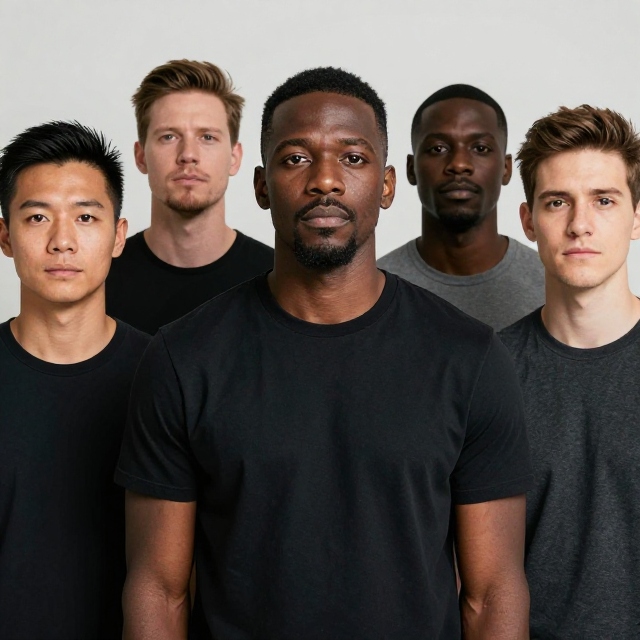
Against the backdrop of 2026 International Men’s Day observances across the Caribbean, leading Jamaican educator and social commentator Wayne Campbell has issued a urgent call for sweeping institutional reforms to reverse a growing crisis of alienation among young males in regional education systems, while dismantling harmful cultural norms that force men and boys into cycles of emotional silence and unaddressed vulnerability. Campbell’s analysis, published ahead of the November 19 global commemoration, highlights that rigid, passive-learning-focused curricula designed for predominantly seated, rote memorization-based work have systematically failed to accommodate the kinetic, hands-on learning styles that many Caribbean boys thrive in, pushing alarming numbers toward academic disengagement, early school dropout, and long-term social marginalization before they reach adulthood. For decades, mainstream gender discourse across Caribbean academic and public spaces has framed gender equity as an exclusively women-focused agenda, leaving boys with no structured framework to explore their evolving identities, navigate social pressures, or acknowledge their own vulnerabilities. Campbell argues that piecemeal, temporary school intervention programs cannot resolve this systemic gap, and is calling for mandatory, embedded Gender and Development Studies coursework integrated across all secondary and tertiary education levels. This balanced curriculum would facilitate critical, guided discussions of masculinity, persistent male academic underperformance, fatherhood responsibilities, and male emotional health alongside existing modules on women’s empowerment, equipping all students of all genders to reject harmful, restrictive gender norms and recognize that equitable national progress depends on the full well-being of every member of society. The commentary also confronts the pervasive cultural stigma that shames men for displaying vulnerability, labeling any expression of sadness, fear or grief as a sign of weakness. Campbell cites a personal classroom anecdote of a 11th grade student who broke down in uncontrollable tears, noting that the rare safe space to process his emotions without judgment stands in stark contrast to widespread social norms that demand men suppress all signs of distress to live up to the myth of the “invincible superhuman” provider. This deeply entrenched cultural expectation that men must function as tireless, unshakable pillars impervious to pain, burnout or anxiety has created a society that normalizes dismissive phrases like “man up”, shaming men out of seeking mental health support, medical care or community assistance even when facing crippling depression, financial strain, grief or suicidal ideation. Campbell emphasizes that these unaddressed disparities run directly counter to the United Nations Sustainable Development Goals, noting that International Men’s Day’s core mission aligns closely with four key global targets: SDG 3 (Good Health and Well-Being) by advocating for routine male medical screenings and suicide prevention interventions to address the region’s stark gaps in male life expectancy and preventable mortality rates; SDG 4 (Quality Education) by expanding mentorship programs and learning accommodations to curb rising male school dropout rates; SDG 5 (Gender Equality) by engaging men and boys as active partners in dismantling restrictive gender stereotypes rather than framing gender progress as a zero-sum competition between genders; and SDG 16 (Peace, Justice and Strong Institutions) by pushing the UN to mandate sex-disaggregated data reporting across all SDG progress assessments to ensure male-specific disparities are formally measured, documented and addressed alongside gaps affecting women and girls. Founded in 1999 by Dr. Jerome Teelucksingh, a history lecturer at the University of the West Indies in Trinidad and Tobago, International Men’s Day is now marked in more than 80 countries worldwide, guided by six foundational pillars that explicitly reject any framing of the observance as a rival to International Women’s Day. Its core mandates include celebrating unsung positive male role models, honoring men’s underrecognized socio-economic, cultural and familial contributions, prioritizing male physical, emotional and spiritual well-being, exposing systemic discrimination against men in education, legal and social service systems, and building inclusive communities where all people can reach their full potential. The 2026 global observance operates under the theme “The Future Is Everyone”, a concept first proposed by U.S. gender advocate Lisa Britton to center mutual respect and shared collective responsibility rather than divisive gender competition. In Jamaica, local organizers have adopted the complementary national theme “Building Tomorrow Together: Empowering Every Man, Engaging Every Jamaican”, with the flagship public event being the “Blue Stop: Men’s Health and Wellness Fair” hosted at Kingston’s National Arena from 10 a.m. to 6 p.m. on November 19. Campbell closes his commentary with a call to move far beyond symbolic one-day speeches and performative observances, urging educators, families, faith leaders and community members to commit to long-term, tangible action: reimagining curricula to meet boys’ diverse learning needs, replacing judgment with non-judgmental listening, normalizing help-seeking behavior, and providing consistent mentorship for at-risk young men. “Freeing our men and boys from the cage of emotional silence is not just a men’s issue, it is a human imperative,” Campbell writes. “When we uplift our men and boys, we heal our entire society, and the future truly belongs to everyone.”