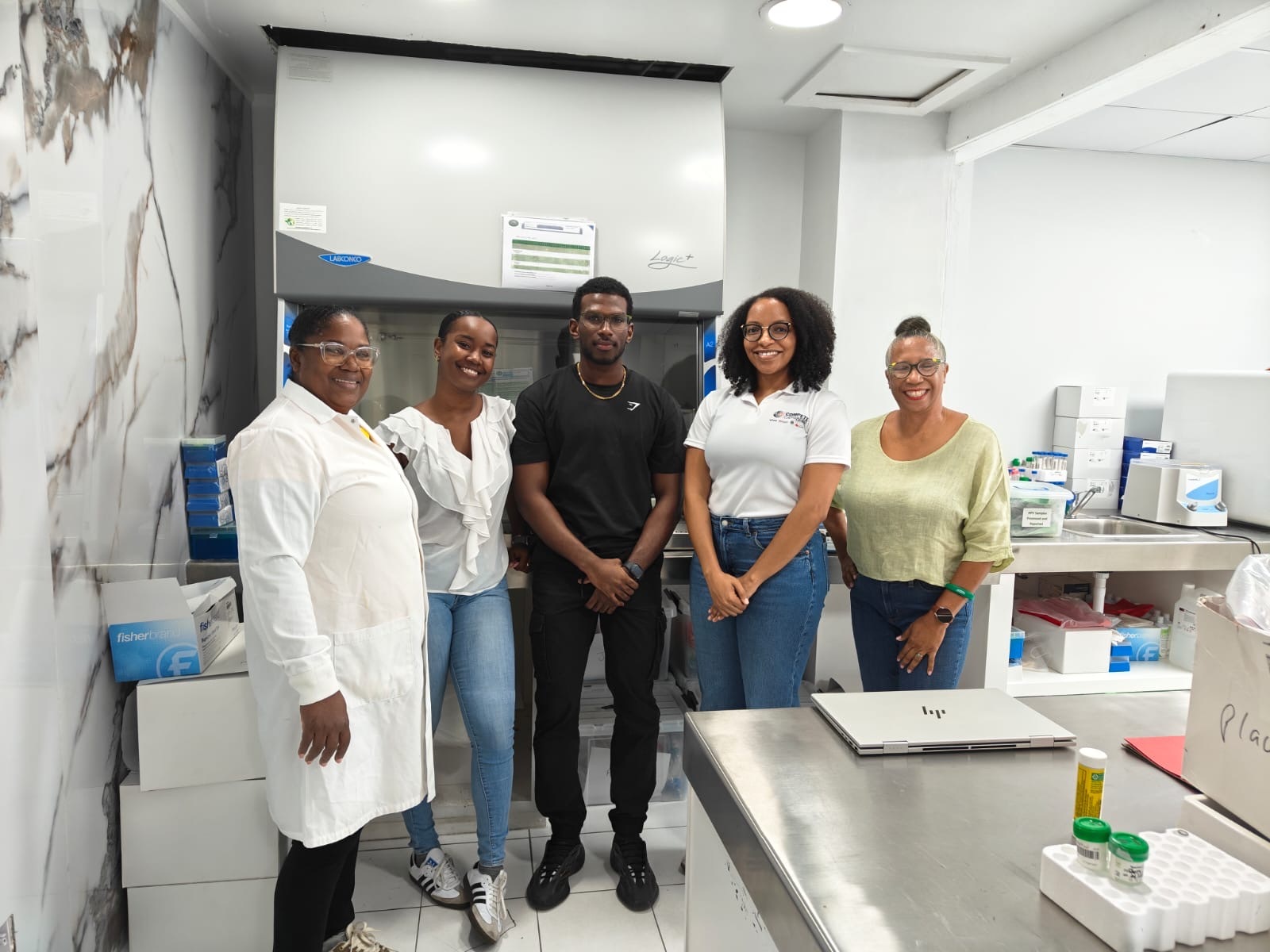
A groundbreaking biodiversity conservation initiative spearheaded by Saint Lucian genomics enterprise CariGenetics Saint Lucia has cleared a key preliminary hurdle, earning a spot on the shortlist for targeted regional grant funding under the Compete Caribbean+ programme. Out of a total pool of 61 cross-regional submissions, the Saint Lucia Biodiversity Cluster was selected as one of only six finalist clusters eligible for subsequent dedicated technical guidance to refine its operational framework ahead of a formal review by an independent investment panel that will make the final funding award decisions.
The multi-stakeholder cluster unites four core local and regional partners: lead entity CariGenetics Saint Lucia, specialized testing provider Laboratory Services & Consultations Ltd., conservation research firm BioQuest, and sustainable solutions developer Soloricon. At the heart of the initiative is the application of cutting-edge genomic science to deepen understanding and long-term tracking of Saint Lucia’s distinct marine and terrestrial ecological zones. Genomic technology leverages unique DNA sequences from all living organisms to enable precise species identification, map full genetic profiles of local wildlife, and flag subtle shifts in natural habitats that may signal ecological stress.
A central priority for the cluster is the construction of a comprehensive, public genomic reference library cataloguing every documented native species across Saint Lucia. This foundational dataset will lay the groundwork for widespread deployment of environmental DNA (eDNA) monitoring, a non-invasive research method that allows scientists to confirm the presence of even rare, elusive or endangered species through trace genetic material left in soil, water or air, eliminating the need for direct capture or visual survey efforts.
This work carries escalating urgency for Saint Lucia, as accelerating climate change exerts growing strain on the island’s already fragile ecosystems. Shifting temperature patterns, erratic rainfall, coastal erosion and rising ocean temperatures are gradually altering critical habitats, and the cluster’s leadership emphasizes that granular, real-time genomic data will empower local conservation teams to identify early warning signs of ecological degradation and roll out targeted interventions far faster than traditional monitoring frameworks allow. Saint Lucia hosts dozens of species found nowhere else on Earth, alongside globally significant coral reef systems, old-growth rainforests, coastal wetlands and mangrove habitats that underpin both local ecological resilience and the island’s tourism and fisheries dependent national economy.
“Saint Lucia hosts biodiversity that is irreplaceable at both a national and global level,” noted Devy Frederick, Chief Executive Officer of CariGenetics Saint Lucia. “As small island ecosystems face mounting pressure from the climate crisis, it is critical that we equip ourselves with the tools and structured programmes to accurately track shifts in our natural resources and respond with intentional, evidence-based action.”
The project also marks a major expansion of local genomic capacity in Saint Lucia beyond its existing applications in public health and human medical research. When CariGenetics Saint Lucia launched earlier this year, Organization of Eastern Caribbean States (OECS) Director General Dr Didacus Jules framed the development of domestic genomic research capabilities as a landmark “act of intellectual sovereignty” for Caribbean small island nations. The cluster’s model also builds on proven conservation genomics pilot work previously delivered by the CariGenetics and BioQuest partnership in Bermuda, adapting the framework to fit Saint Lucia’s unique ecological context.
Over the coming phase, the shortlisted consortium will collaborate with regional technical advisors to finalize a detailed Cluster Development Plan that maps out full implementation strategies, identifies cross-sector partnership opportunities, and outlines a roadmap for long-term operational sustainability independent of initial grant support. The team’s long-term strategic vision is to roll out a fully integrated national genomics-backed biodiversity monitoring system for Saint Lucia, with a view to adapting the successful model for replication across other small island states in the Caribbean region.