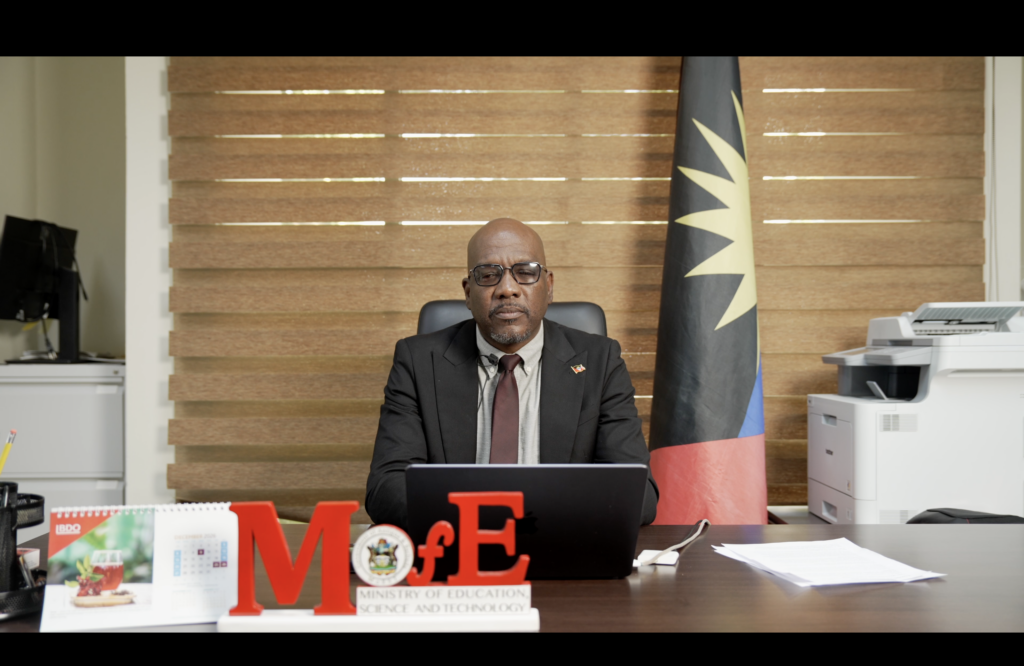
During a landmark address marking International Students’ Day, Antigua and Barbuda’s Minister of Education unveiled a sweeping national initiative to formalize elected student representative bodies at every public and private K-12 institution across the twin-island nation, as part of a broader systemic push to center youth voices in education governance. Launched in early 2024, the expanded national student council ecosystem has already established a centralized national forum where young learners can escalate concerns, pitch innovative improvement ideas, and advocate for policy adjustments at the highest levels of the education ministry. The ongoing rollout of school-level councils is designed to ensure no student is excluded from the decision-making process that shapes their daily learning experience, rather than limiting representation to a small cohort of elite youth at the national tier. The minister emphasized that the success of these new bodies will not be measured by administrative checkboxes or formal meeting minutes, but by tangible, student-driven outcomes that address real pain points across school communities. He issued a clear call to action for all newly elected council members: first, conduct open, inclusive outreach to every peer to map unmet needs, cross-reference feedback with verifiable on-the-ground evidence, and collaborate closely with teaching staff to draft actionable solutions before implementing any changes. “I challenge every single student council across this country to transform itself into a living laboratory of practical, community-centered solutions,” the minister stated during the address, which carried the official theme “Empowering Students as Agents of Change.” “Survey the unique challenges facing your school, listen closely to the quiet voices that are rarely heard, ground your proposals in hard evidence, partner with your teachers as allies, and then take deliberate, meaningful action to drive change.” The minister highlighted a wide range of priority issues that student councils are well positioned to tackle, including improving the nutritional quality of school meal programs, upgrading aging campus facilities, strengthening on-campus safety protocols, and developing community-wide guidelines for responsible, ethical use of digital tools. Against a backdrop of rapid technological disruption driven by artificial intelligence, automation, and cutting-edge educational science, the address framed student input as an irreplaceable asset for building a future-proof national education system, rather than treating youth as passive recipients of pre-designed curricula. “We cannot build the education system that our young people deserve for the 21st century by relying on outdated, 20th century assumptions that no longer align with the world they are growing up in,” the minister noted. He stressed that today’s students are digital natives with intimate, hands-on familiarity with emerging AI and online tools, a unique perspective that must be integrated directly into policy design rather than sidelined by older generations of administrators who lack that lived experience. The minister also pointed to the country’s long-running annual national STEM camp as an existing successful platform that nurtures student curiosity and builds hands-on technical skills, and encouraged councils to leverage that program as a launchpad for new youth-led innovation projects. He further urged all students across Antigua and Barbuda to harness the power of the internet and generative AI as problem-solving tools to conduct rigorous research, refine their community improvement ideas, and tackle local social challenges, while emphasizing critical guardrails: all online information must be fact-checked for accuracy, personal digital privacy must be actively protected, and students must exercise independent, critical judgment rather than relying uncritically on AI-generated outputs. The address concluded by framing education reform as a collaborative, cross-stakeholder effort that cannot succeed if designed solely by ministry officials behind closed doors: meaningful progress requires sustained, equal partnership between the education ministry, classroom educators, family caregivers, and the students themselves. Young people do not need to wait until they graduate to contribute to building a better education system, the minister emphasized: they can make an immediate impact by speaking openly about their unmet needs and actively participating in school improvement projects today. “Your individual futures are inseparable from the collective future of our entire nation,” the minister told the assembled student audience. “Your voice does not just matter – it must be a core, driving force shaping the education system that will prepare you to lead that future.”
Antigua and Barbuda moves to put student representatives in every public and private school