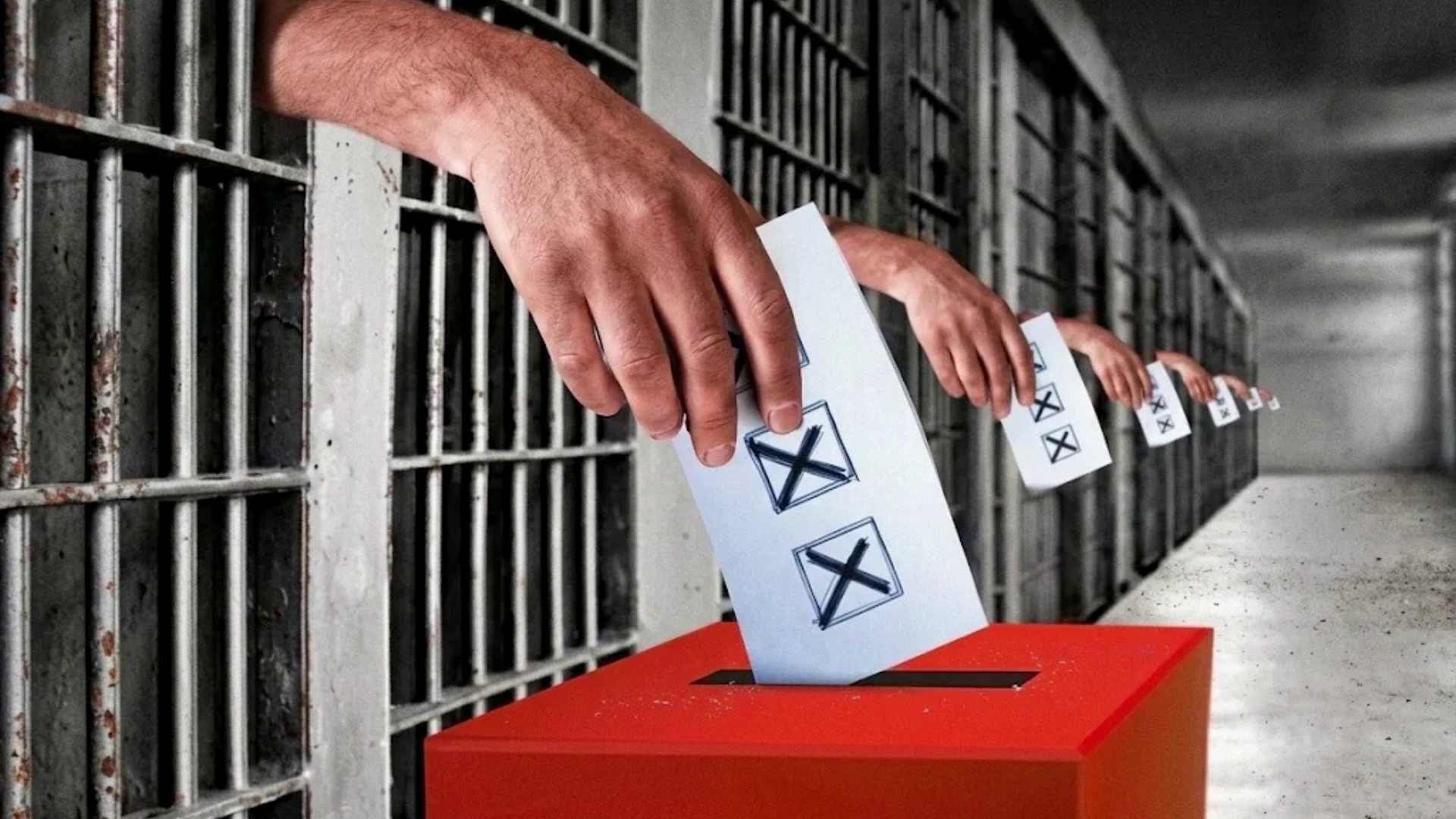
A longstanding gap between Belize’s electoral law and on-the-ground implementation has left a subset of incarcerated people legally eligible to cast ballots yet entirely barred from participating in the democratic process, local human rights advocates have confirmed. Under Section 7(b) of the country’s Representation of the People Act, two groups of inmates retain full voting eligibility: individuals held on remand awaiting trial, and those serving prison sentences of 12 months or less. Only people sentenced to death or to prison terms longer than 12 months are formally stripped of their voting rights under existing legislation. Despite this clear statutory protection, no eligible incarcerated person in Belize has ever been successfully added to the national voter registry or allowed to cast a ballot in any election. The issue first received formal public acknowledgment 20 months prior to this November 2026 report, when then-Attorney General Anthony Sylvestre noted that the entire voter registration process for this population required systematic review, as no existing protocols allowed people in correctional facilities to be added to the official voters list. Since that public statement, virtually no tangible progress has been made to resolve the administrative gap, according to the Belize-based Justice for Humans Project, which has led advocacy on this issue for more than two years. The organization first submitted a formal written request to the Chief Elections Officer on July 9, 2024, asking for dedicated registration drives to be held for eligible inmates at Belize Central Prison. Follow-up communications continued in the lead-up to the 2025 general election, when advocates pushed for eligible detainees to be allowed to exercise their franchise at that poll, but no action was taken to facilitate their participation. Advocates have since renewed their calls as the March 2027 municipal elections draw near, warning that the window to implement accessible voting protocols for eligible inmates is rapidly closing. The non-profit organization that manages Belize Central Prison, the Kolbe Foundation, has submitted a clear set of prerequisites to the Elections and Boundaries Commission to enable secure, compliant voting on prison grounds. These rules require all registration and voting activities to take place within the correctional facility (as no inmate can be removed without a formal court order), establish clear identity verification documentation standards for incarcerated registrants, and mandate full political neutrality on prison premises to ban on-site canvassing, electioneering, or visits from political candidates targeting the inmate population. Michelle Trapp Zuniga, Managing Member of Justice for Humans, emphasized that the operational model is already proven in the Caribbean region: Trinidad and Tobago successfully administered supervised, secure on-site voting for its eligible inmate population during national elections in April 2025, demonstrating that the logistical barriers are far from insurmountable. Advocates note that the ongoing disenfranchisement raises fundamental questions about the integrity of Belize’s democratic framework: when a law explicitly guarantees voting rights to a specific group of citizens, administrative delays and unimplemented protocols cannot be allowed to negate that statutory entitlement, even for people held behind prison walls.