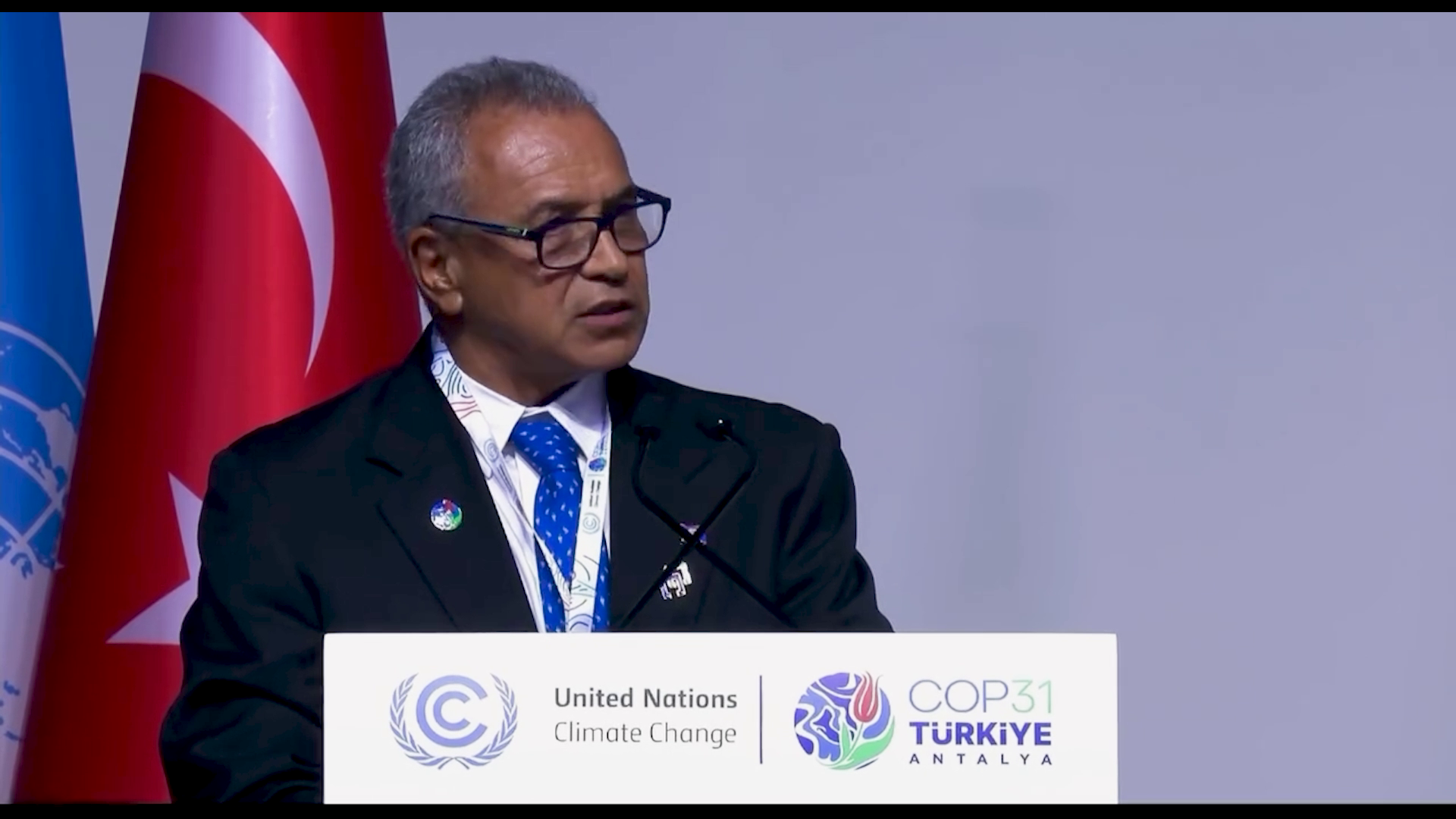
As world leaders convene in Turkey for the 31st UN Climate Change Conference (COP31) in November 2026, the small Caribbean coastal nation of Belize is stepping forward with urgent, evidence-based demands to turn years of unfulfilled global climate pledges into tangible, life-saving action for vulnerable frontline countries. Orlando Habet, Belize’s Minister of Sustainable Development and Climate Change, is leading the national advocacy push, highlighting that the nation is already grappling with the irreversible, costly impacts of a climate crisis it contributed almost nothing to generate. For Belize, the daily toll of unaddressed climate change is impossible to ignore: steadily rising sea levels are displacing entire coastal communities, rapid shoreline erosion is eating away at critical residential and ecological land, and more intense, frequent tropical storms are leaving behind recovery costs that drain limited national development budgets. A government-commissioned cost of inaction study projects that under a business-as-usual emissions scenario, Belize will face an estimated $402 million in cumulative flood-related losses across key economic sectors by the middle of the 21st century. Habet emphasized that while targeted adaptation investments can cut these projected losses significantly, no amount of resilience planning can eliminate unavoidable climate impacts entirely, leaving the nation in desperate need of dedicated loss-and-damage support. The minister outlined that Belize has already put in place a full suite of domestic policy frameworks to drive local climate action, including its landmark Climate Change and Carbon Market Initiatives Act, the country’s first biennial transparency report (BTR), its third iteration of the Nationally Determined Contribution (NDC 3.0), and a cross-sector national adaptation plan. But he stressed that these carefully drafted plans cannot hold back storm surges or mitigate crippling droughts on their own without matching, accessible international support. Habet called for sweeping reforms to global climate financing systems, including faster disbursement timelines, drastically simplified application procedures, expanded investment in pre-project preparation support, and a larger share of grant-based and low-interest concessional funding to remove the barriers that have left most promised climate support out of reach for small vulnerable nations. He specifically demanded a robust, timely replenishment of three core global climate mechanisms: the Green Climate Fund, the Adaptation Fund, and the newly established Loss and Damage Fund, rejecting the framing of these funds as charitable donations. “These funds are not acts of charity. They are instruments of survival, resilience, and corrective justice for countries living on the front lines of a crisis they did not create,” Habet stated firmly. As part of its formal COP31 position, Belize also advocated for streamlined, timely public reporting on global climate action progress, and voiced support for Taiwan’s inclusion in UN climate negotiations, citing the territory’s advanced clean energy expertise as a valuable resource for collective global decarbonization efforts. The remarks were delivered as part of Belize’s national evening television newscast, with official transcripts preserved for international distribution to align with formal UN climate submission protocols.