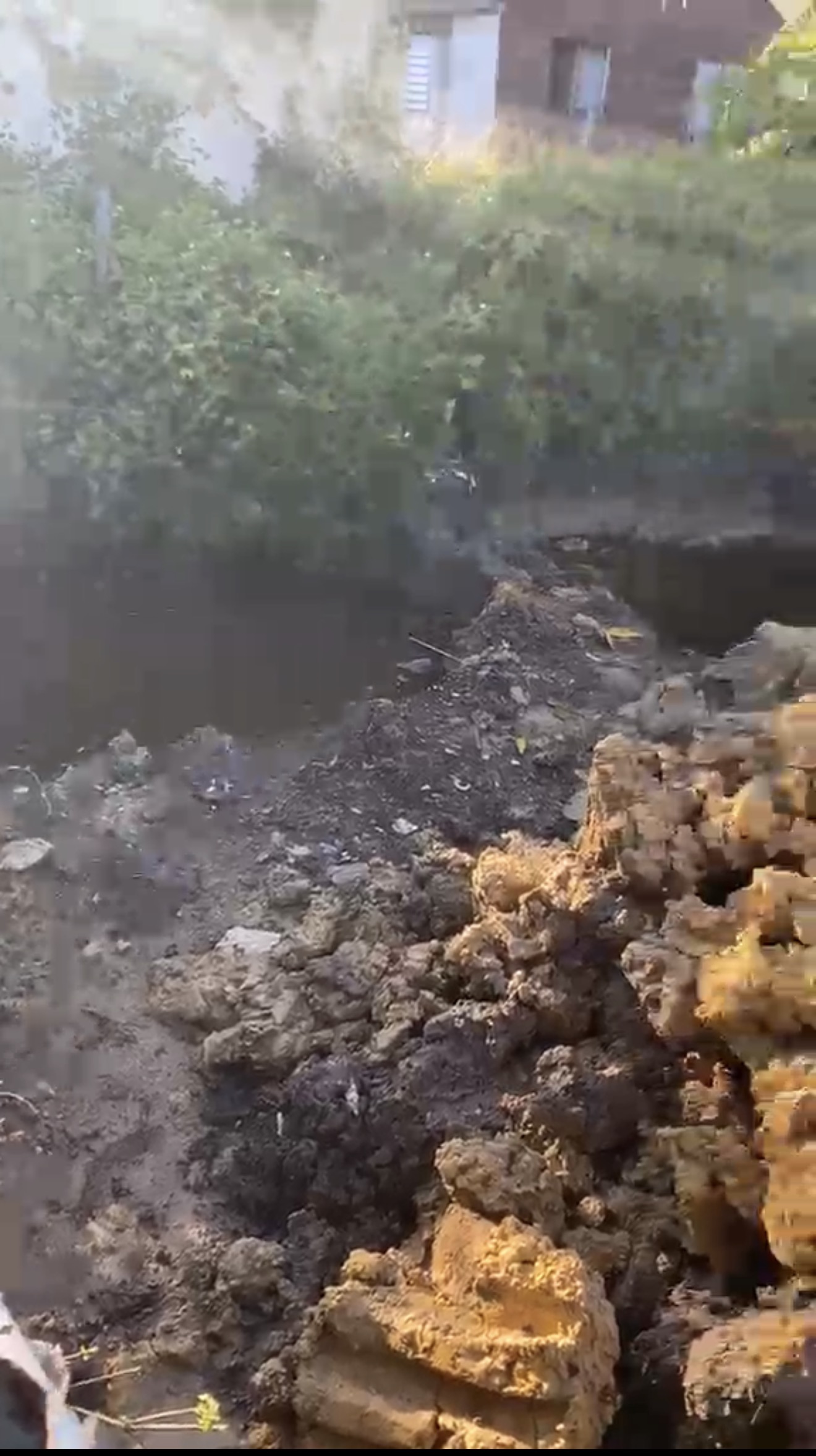
A resident of the Lower Ottos community, Karima Joseph, is launching a public appeal for an immediate, qualified official site assessment, after unregulated excavation activities on an adjacent private parcel of land allegedly caused extensive structural damage to her property, shattered local drainage infrastructure, and created a cascade of public health and safety risks for her household. The chain of destructive incidents first unfolded on October 30, when a heavy truck operating in proximity to her residence overturned, splattering thick mud across her roof, tearing out sections of her guttering system, puncturing roofing materials, and warping the perimeter metal fence surrounding her property. The capsized vehicle also inflicted visible damage to the public roadside storm drain and adjacent paved sidewalk, disrupting pre-existing water flow pathways that have now failed to function as designed. Joseph further alleges that ongoing excavation work using heavy industrial machinery has triggered persistent, noticeable vibration that shakes the very foundation of her home, while compromised drainage lines have caused raw wastewater to back up directly against her front doorstep, flood her entire yard, and pool in stagnant puddles across the adjacent worksite. She has documented additional hazards including unregulated groundwater seepage bubbling up from the open excavated pit, and partial structural collapses of the unshored excavation walls that pose a imminent collapse risk to nearby properties. Over the weeks following the initial truck accident, Joseph states she has reached out to the local Development Control Authority a total of three separate times to report the escalating hazards and request a formal safety inspection, but as of her latest public statement, no regulatory officer has visited her property to conduct any assessment. Her top priority now is a full, independent evaluation by a certified structural and civil engineer to confirm whether her home is still structurally safe for her family to occupy. “Every time they run those heavy-duty pieces of equipment on the adjacent lot, we cannot even stay inside the house, because the whole structure shakes so violently, but we have no other nearby safe location to go to,” Joseph explained in her appeal. Beyond the structural and drainage failures, she has flagged additional unaddressed hazards including dangerously low-hanging electrical lines strung across the worksite, and a explosion in local mosquito populations bred by the large pools of stagnant wastewater left standing around the excavation site. Two of her children live with pre-existing chronic medical conditions, including asthma, and Joseph says she is deeply distressed that the poor air quality, standing water, and persistent vibration are putting their health at serious ongoing risk. She notes that she would immediately relocate her family to temporary alternative accommodation if she had the financial means to secure a safe, suitable rental unit in the area, but cannot afford to do so on her current household income. To date, Joseph says neither the owner of the adjacent excavated parcel of land, nor the construction contractors carrying out the excavation work, have reached out to her to discuss any compensation plans, repair arrangements, or mitigation measures to address the hazards impacting her property. She is now calling on local regulatory authorities to intervene without delay, dispatch a qualified inspection team to document all the identified risks, and enforce corrective action to resolve the ongoing dangers to her family and the surrounding neighbourhood.