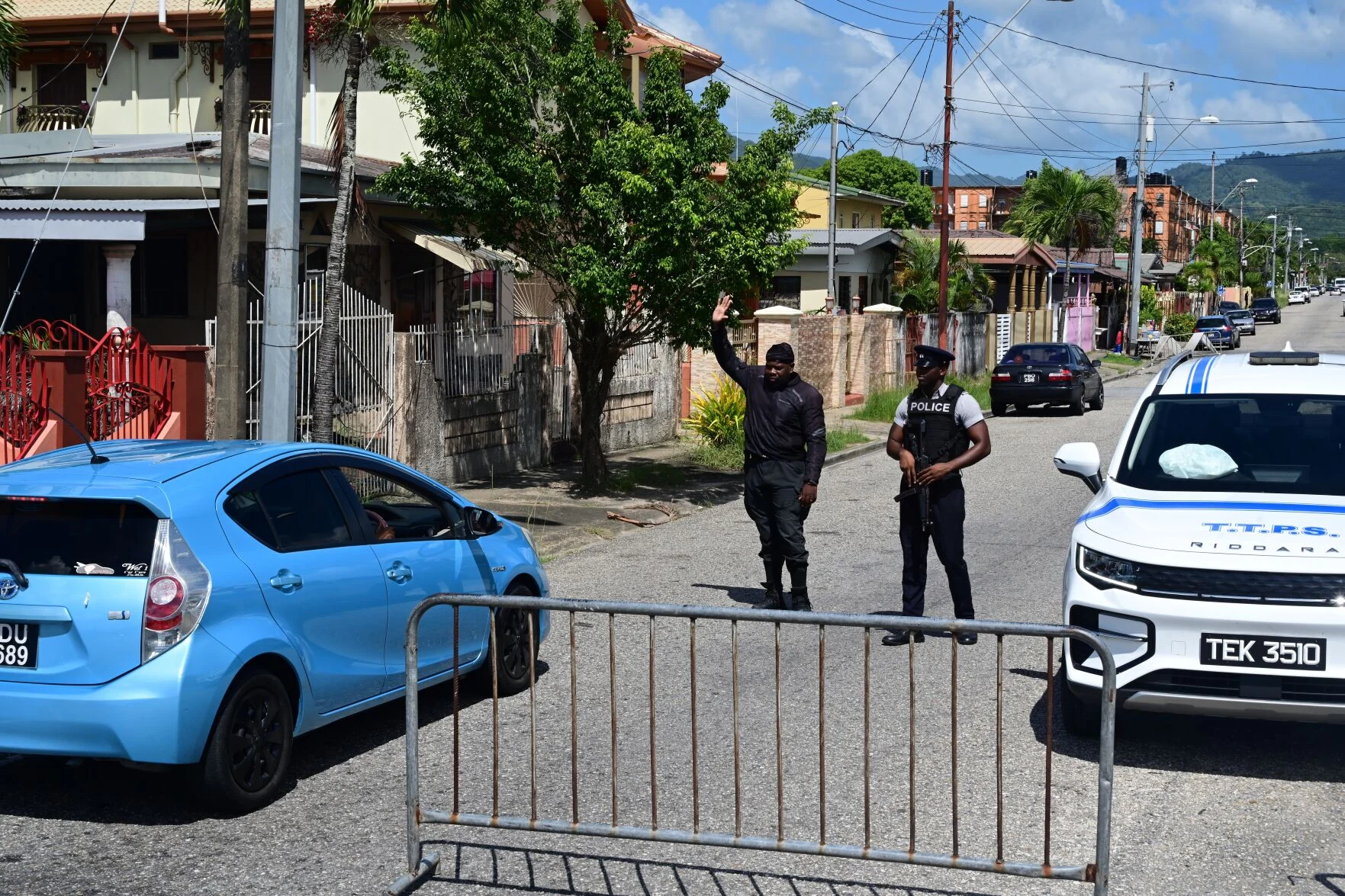
A prominent Trinidad and Tobago civic activist, 1990 attempted coup survivor and national award recipient Wendell Eversley, has initiated formal constitutional redress proceedings at the High Court to challenge the legality of the recently enacted 2026 Special Operations Act (SOA). Represented by a legal team led by senior counsel Stuart Young alongside attorneys Anthony Bullock, Christophe Rodriguez, Thane Pierre, Celeste St Louis, Richard Rojas and Adam Fernandez, Eversley has named the country’s Attorney General as the respondent in the public-interest case. The core of Eversley’s legal submission argues that while the SOA was framed as a legislative tool to curb surges in serious violent crime, its provisions grant sweeping, disproportionate authority to the political executive, the Trinidad and Tobago Police Service, and other state bodies that run afoul of fundamental human rights enshrined in Sections 4 and 5 of the national Constitution. Court filings detail that the Act’s unconstrained powers include sweeping restrictions on free movement, arbitrary cordon and curfew orders, warrantless searches and seizures, and prolonged arrest and detention without formal charges being laid. Legal documents note that the rollout of the SOA in the Maloney Gardens Housing Development already demonstrated tangible harms to law-abiding residents, who faced disruptions to commutes, employment, access to their private homes, and daily exercise of constitutionally protected freedoms. Eversley’s affidavit further highlights a separate set of constitutional violations related to the institutional independence of the Commissioner of Police, a role explicitly safeguarded under Sections 123 and 123A of the Constitution. The suit alleges the SOA grants the Prime Minister an effective veto over appointments to lead Special Operations units, inserts partisan political oversight into operational policing decisions that fall under the exclusive purview of the Police Commissioner, and imposes unauthorised mandatory reporting, hiring and procedural mandates that erode the Commissioner’s statutory authority to manage the Police Service independently. Critically, the legal team argues that because the SOA’s provisions so deeply alter core constitutional arrangements for human rights and police governance, Parliament was legally required to pass the legislation via the special two-thirds majority threshold outlined in Sections 13 and 54 of the Constitution, rather than the simple majority that was used to enact it. Eversley, who resides in the Arouca residential area, notes he has not personally been subjected to any SOA enforcement actions nor has a restricted “closed zone” been declared in his neighbourhood, but he asserts a substantial, imminent risk that the overbroad powers of the Act could be deployed in his community, granting him legal standing to pursue the public-interest challenge. He is seeking a formal High Court declaration that all contested provisions of the SOA, or the full Act in its entirety, be ruled unconstitutional, null, void, and legally unenforceable.