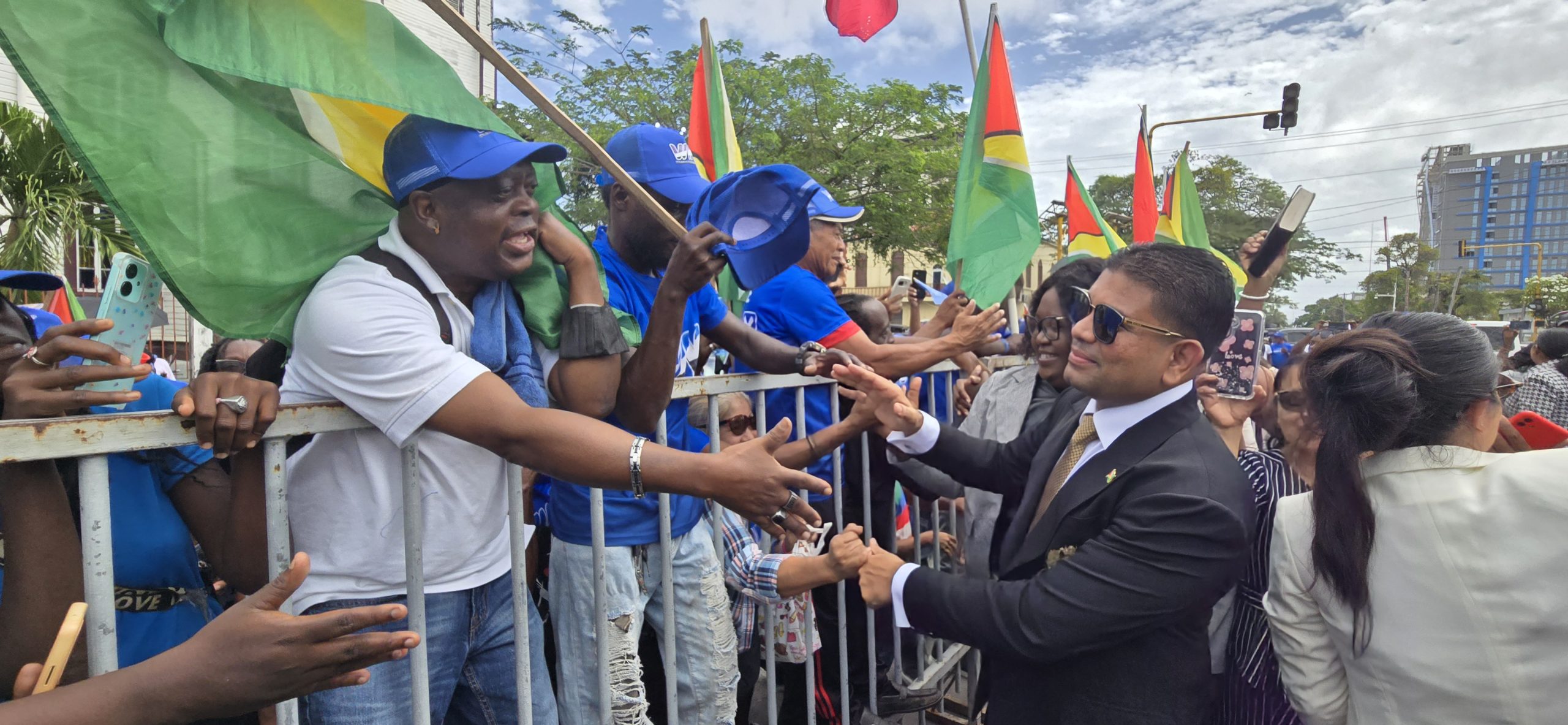
Georgetown, Guyana – 14 November 2026: The Office of the Director of Public Prosecutions (DPP) has filed a formal Fixed Date Application (FDA) before the High Court of Guyana, petitioning Chief Justice Navindra Singh to quash two recent rulings by Chief Magistrate Judy Latchman that refused to cancel the GY$150,000 bail granted to Azruddin Mohamed, who is currently subject to a pending United States extradition request to face trial on cross-border financial crime charges. If the DPP’s petition is approved, Mohamed will remain in pre-hearing custody for the full duration of the extradition proceedings, even if he is subsequently granted bail on four separate new criminal charges filed against him in local courts. Scheduled for a full hearing before Chief Justice Singh on 23 November 2026, the DPP’s legal submission, reviewed by Demerara Waves Online News, outlines multiple grounds for challenging Chief Magistrate Latchman’s decisions issued on 2 and 3 November 2026. Prosecutors argue the lower court rulings were procedurally unauthorized, failed to adhere to legally mandated procedural standards, represented an unreasonable and improper overreach of magisterial jurisdiction, contradicted the explicit intent of Guyana’s Bail Act, and contained clear errors of law. Beyond an explicit order to revoke the existing bail tied to the extradition case, the DPP is also requesting the High Court issue a binding declaratory ruling clarifying that Section 7(1)(c) of the Bail Act does not require proof of a formal criminal conviction or evidence meeting the beyond-a-reasonable-doubt threshold to establish the statutory conditions justifying bail revocation. The DPP’s filing is backed by three key supporting affidavits: one from Herbert McKenzie, the legal representative for the United States government in the ongoing extradition matter; one from Superintendent Shellon Daniels, Court Superintendent for Region 4A; and corroborating statements from investigating law enforcement officers. Court documents detail that the new local charges against Mohamed stem from a 12 October 2026 late-night incident, in which he and several associates were apprehended while allegedly conducting surveillance on the private residence of Senior Superintendent Prem Narine, a key scheduled witness in the US extradition proceedings. The new charges include unlawful possession of a firearm, unlawful possession of ammunition, attempted obstruction of justice, and a violation of the Cybercrime Act for the alleged unauthorized downloading and distribution of case-related video footage from restricted police databases. Prosecutors confirm they formally presented all these allegations to Chief Magistrate Latchman during the earlier November bail revocation hearings, noting that investigating officers with direct firsthand knowledge of the alleged offenses were present in the courtroom and available for cross-examination, but the Chief Magistrate deemed their testimony unnecessary. In her formal ruling refusing the prosecution’s revocation request, Chief Magistrate Latchman reasoned that unproven criminal charges alone, without additional substantial corroborating evidence, could not satisfy the legal threshold to find Mohamed had committed or was likely to commit further offenses, adding that any future formal convictions obtained during the extradition process could only then be considered as relevant grounds for bail modification. To counter this reasoning, the DPP’s submission cites longstanding, widely accepted standard practice across Guyana’s magistrates’ courts, as documented in Superintendent Daniels’ affidavit. These established precedents confirm that bail is routinely revoked when a defendant faces new pending criminal charges, demonstrates a pattern of repeat offending, tampers with or attempts to tamper with evidence, interferes or attempts to interfere with witness testimony, or obstructs the administration of justice. Prosecutors further note that standard magisterial practice also allows for immediate bail refusal or revocation if a prosecutor verifies from the bar that a defendant has provided a false residential address, or that the subject is the target of active, high-priority serious criminal investigations.
DPP asks High Court to order Mohamed remain in jail pending outcome of extradition hearing