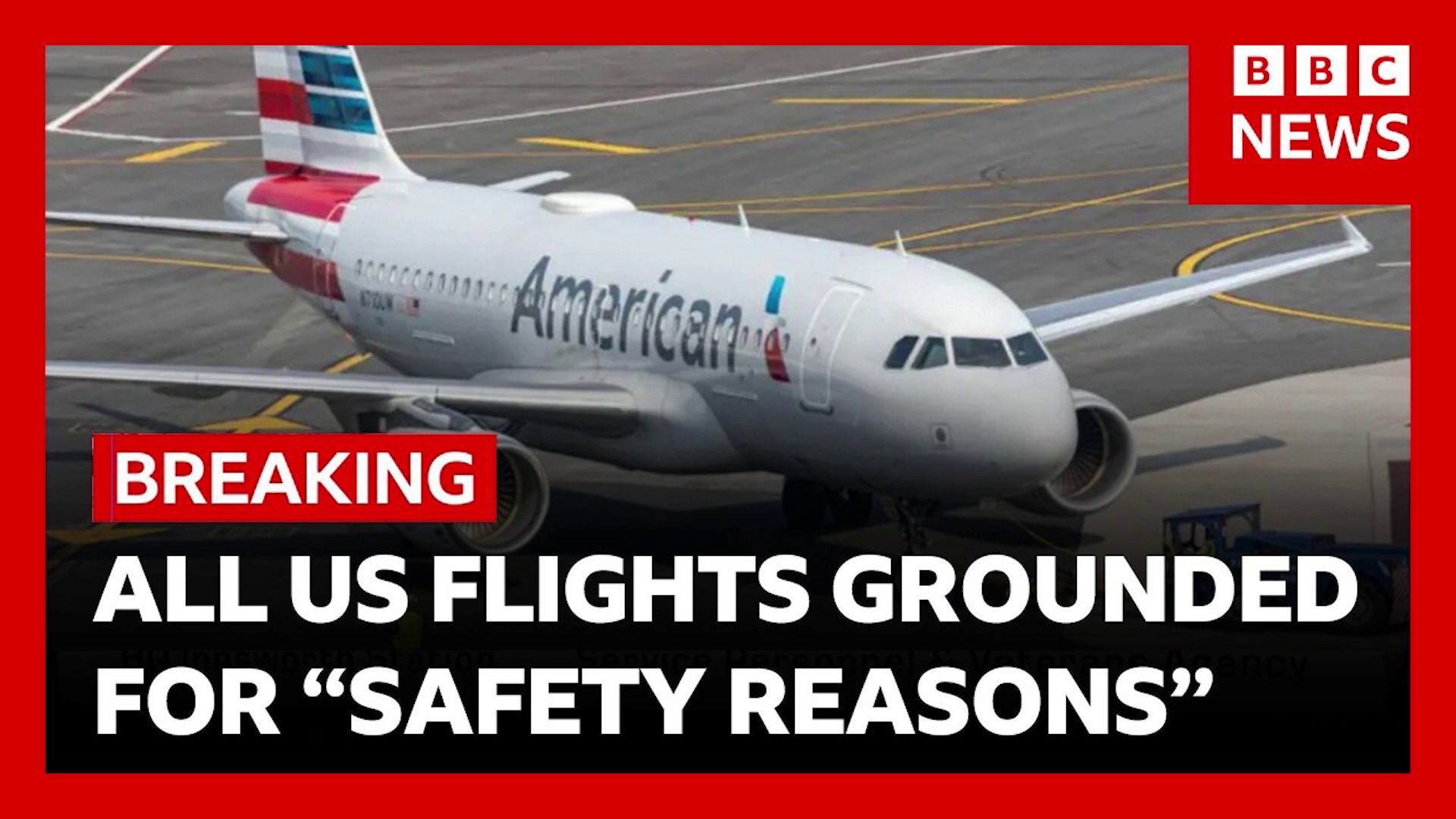
On November 13, 2026, emerging aviation chaos unfolding across the United States has put Belizean aviation authorities on high alert, as the Central American nation’s international travel ecosystem is heavily reliant on U.S.-based carriers for the vast majority of its cross-border passenger traffic. At the time of reporting, no direct operational disruptions have been recorded at Belize’s primary international gateway, Philip Goldson International Airport, but officials warn that extended U.S. air traffic restrictions could trigger cascading delays and cancellations for inbound and outbound services connecting the two countries. In an exclusive interview with local outlet News Five, Belize Director of Civil Aviation Nigel Carter shared key updates on the evolving situation, confirming that the U.S. Federal Aviation Administration (FAA) issued an official Notice to Air Mention (NOTAM) at 2:54 p.m. local time that day imposing a full nationwide ground stop across all U.S. airports, with no explicit cause provided in the initial notification. Carter clarified that the sweeping restriction halts all new takeoffs across U.S. airspace and restricts new arrivals, though aircraft already mid-flight are permitted to proceed to their planned destinations. Two U.S.-bound flights currently remain grounded on Belizean tarmacs as a result of the order. Carter emphasized that there are no active security threats linked to the U.S. ground stop that pose any risk to Belizean airspace or passenger safety. If the restrictions persist beyond the immediate hours, Carter noted, a cascading network effect is almost certain to ripple through regional flight schedules: aircraft operating routes to Belize often follow multi-leg itineraries across the U.S. and broader Americas, meaning delayed departures from upstream U.S. hubs will create a chain of scheduling backlogs that could extend delays and potential cancellations for Belize-bound flights for days after the ground stop is formally lifted. Final decisions on flight cancellations will rest with individual operating airlines, which may opt to consolidate affected passenger loads onto later available services to minimize operational losses. Carter strongly advised all travelers with upcoming itineraries to or from Belize involving U.S. airspace to maintain regular direct contact with their respective carriers for real-time scheduling updates, rather than relying on outdated pre-existing travel plans.