On November 12, 2026, during an official press briefing, Guyana’s Minister of Local Government and Regional Development Priya Manickchand laid out a multi-pronged, government-led initiative to elevate and sustain public hygiene standards in the capital city of Georgetown, while openly acknowledging that two longstanding urban challenges – full drainage network clearing and targeted support for unhoused street dwellers – lack formalized implementation timelines due to their inherent complexity.
At the core of the proposed regulatory updates are planned amendments to existing penalties for littering under the country’s Environmental Protection Act (EPA). Minister Manickchand noted that current rules contain critical structural gaps: restrictions on who can serve as authorized enforcement wardens, narrow parameters for eligible prosecuting parties, and fine values so low that many violators face no meaningful disincentive to discard waste improperly. The revised draft legislation is being finalized to table before the National Assembly for formal passage in the near term.
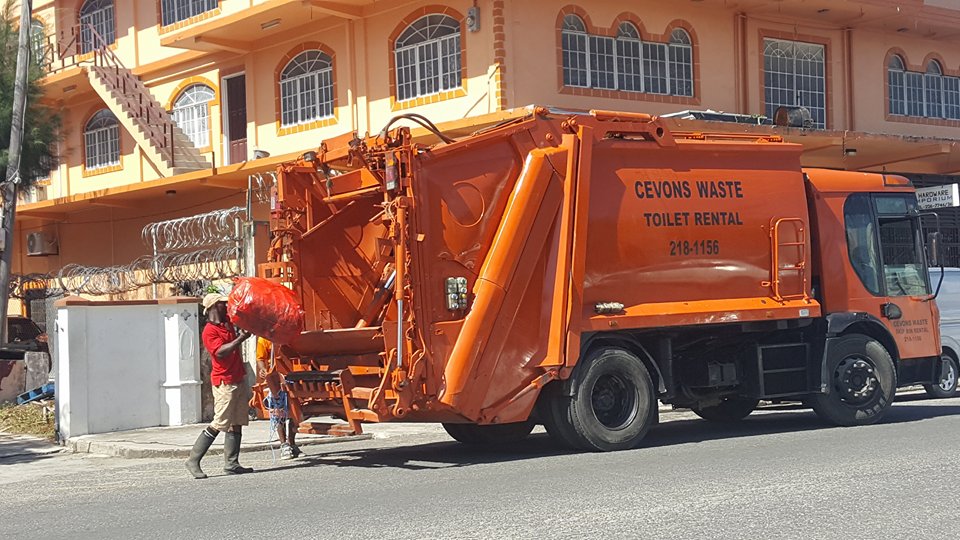
A key pillar of the immediate waste management expansion is a major fleet upgrade: the central government will procure 60 additional garbage compactor trucks, which will not only boost regular domestic waste collection but also enable dedicated pickups for public skip bins. For the first time, residents of the underserved Sophia community will receive formal scheduled waste collection services. Four high-density Georgetown constituencies (8, 10, 11, and 13) will move to twice-weekly waste pickups to accommodate elevated waste generation volumes from their large residential populations. Minister Manickchand also confirmed that the government has negotiated a critical clause update in contracts with private waste collection vendors, eliminating a prior 48-hour waiting window for missed pickups. Under the new terms, if a contracted collector fails to complete scheduled service on the agreed date, the city will deploy an alternate third-party collector, and all associated costs will be deducted from the original vendor’s payment.
To strengthen on-the-ground monitoring, the ministry will hire 26 community service officers, each equipped with an electric bicycle, to patrol all city constituencies, track waste disposal compliance, and flag gaps in collection services. A custom-built digital chatbot will also be rolled out across all neighbourhood councils and municipal towns, allowing residents to submit real-time reports of missed garbage pickups directly to the ministry’s operations team. Printed informational flyers will be distributed to every household in Georgetown, outlining exact scheduled collection times for both domestic waste and roadside parapet refuse, alongside a dedicated public hotline for service inquiries and complaints.
Minister Manickchand emphasized that the capital maintained consistent high cleanliness standards both before and after the recent state visit of King Charles III of the United Kingdom, a outcome she attributed to targeted central government investment in waste infrastructure. However, she clarified that full clearing of Georgetown’s aging drainage network falls under the purview of the National Drainage and Irrigation Authority (NDIA), and no formal completion timeline is currently available, even as interim measures are in place to trap solid waste before it enters canal systems. Prolonged dry seasonal weather has left many city canals and trenches with unusually low water levels, exposing heavy silt buildup that reduces drainage capacity.
The minister also pushed back against calls for a fixed timeline to relocate street dwellers, many of whom currently discard food waste and other litter directly on public walkways. She noted the issue is deeply multifaceted, rooted in overlapping challenges of unaddressed mental and physical health conditions, chronic homelessness, and the independent lifestyle preferences of many long-term street residents. A blanket arbitrary deadline, she warned, would lead to ineffective, poorly designed interventions that fail to deliver long-term, compassionate solutions.
For long-term cultural change, the ministry has partnered with the United Nations Development Programme (UNDP) to design a national school-based environmental education curriculum, intended to instill lifelong responsible waste disposal habits in younger generations. Manickchand issued a public appeal to all Georgetown residents, business owners, and professionals to actively participate in the city’s cleanliness efforts, noting that no policy or infrastructure investment can deliver lasting results without widespread public commitment to proper waste stewardship.