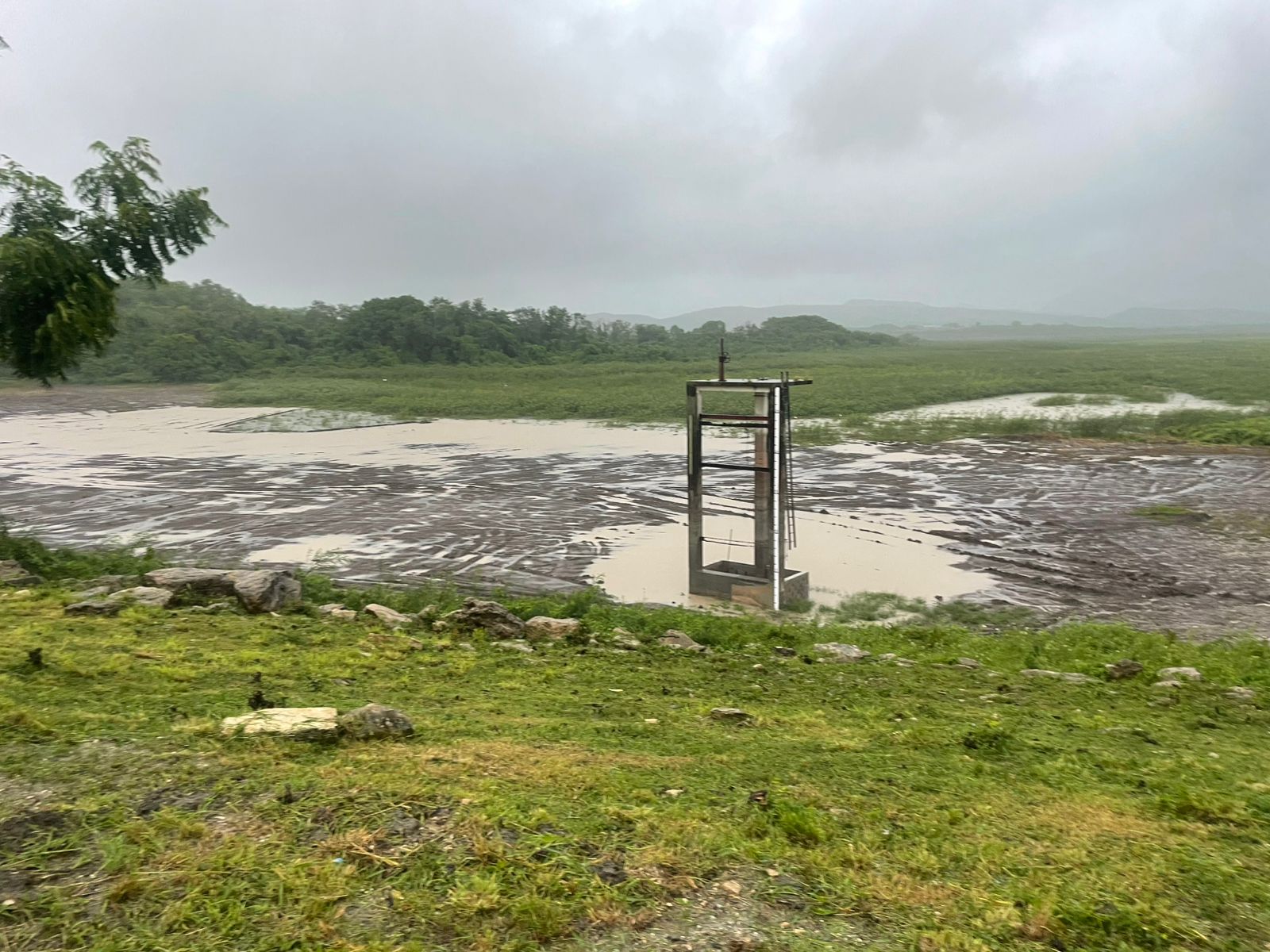
Critical rehabilitation work has officially kicked off on the long-defunct southern spillway of Potworks Dam, a key regional water infrastructure asset that Utilities Minister Melford Nicholas confirmed has remained in a non-functional state for over three and a half decades. During his appearance on the local broadcast program *Taking Stock* on November 10, Nicholas outlined that the core objective of the ongoing upgrades is to bolster the reservoir’s capacity to hold back rainwater runoff, and reclaim a significant portion of its original water storage potential that has been lost due to the broken spillway. The repair initiative is being supported by a team of Cuban engineers operating on individual service contracts, who are also collaborating on parallel upgrades aimed at resolving longstanding issues with inconsistent water pressure and uneven distribution across connected service areas. Nicholas emphasized that his top priority was to fast-track the initial phases of the spillway repairs before the arrival of intense seasonal downpours that could halt construction progress, noting that he was scheduled to conduct an on-site inspection of the work zone on Thursday, November 12. He added that his team’s overarching goal is to have the upgrades sufficiently completed in time for the upcoming rainy season, so the reservoir can capture as much precipitation as possible to shore up local water supplies. Despite the accelerated timeline, Nicholas openly acknowledged that limited allocated funding is creating bottlenecks that prevent the work from moving forward at a faster pace. “I have to operate within the boundaries of that financial constraint to ensure every dollar is spent responsibly,” he stated during the broadcast. The public discussion on the program also prompted widespread audience questions about the feasibility of dredging the large volume of silt that has built up in the reservoir over decades, as many residents argued that removing that accumulated sediment could drastically expand the dam’s total water-holding capacity. However, Nicholas shared that preliminary technical assessments from his engineering teams warned that disturbing the fine, compacted layer of sediment that lines and seals the dam basin could create gaps that allow stored water to seep out through the porous limestone bedrock beneath the structure, resulting in permanent, irreversible water loss. When a program caller pushed back on that official assessment, citing decades of firsthand observations of visible changes to the reservoir’s depth and shoreline, Nicholas extended an open invitation to the caller to join him and the project engineers for a joint site visit to review the resident’s concerns in person. “I am not opposed to being convinced by tangible, on-the-ground evidence that contradicts our initial technical advice,” he remarked. He also proposed that a full, independent geological survey of the reservoir basin could provide definitive, data-driven answers about whether targeted silt removal in the southern section of the dam could be carried out safely without compromising the critical water-sealing layer. At the time of the broadcast, Nicholas declined to share the total projected cost of the spillway rehabilitation project, and did not release a fixed, non-negotiable date for when all repair works would be fully completed.
Repairs begin on Potworks Dam spillway after more than 35 years of damage