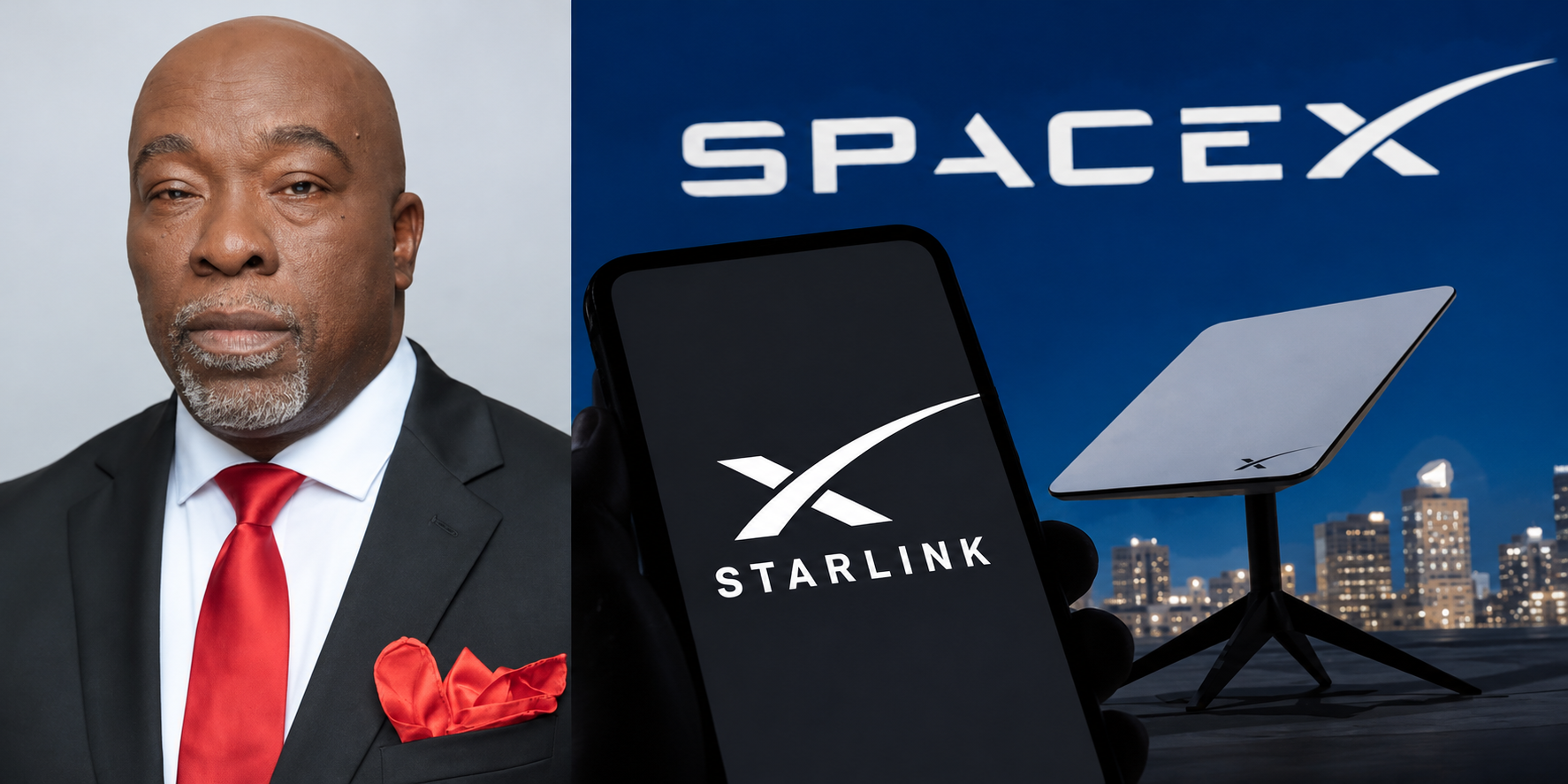
During a recent appearance on Pointe FM’s popular Taking Stock program, Antigua and Barbuda’s Minister of Information Technology Melford Nicholas set the record straight on the division of telecommunication responsibilities during the recently concluded Commonwealth Heads of Government Meeting (CHOGM) held in the twin-island nation. Contrary to widespread public misconceptions fueled by high-visibility branding from SpaceX’s Starlink satellite internet service, Nicholas confirmed that the Antigua Public Utilities Authority’s (APUA) INET division served as the exclusive primary telecommunications backbone for the entire high-stakes summit. The government-led coordination effort spanned no fewer than nine separate event venues, delivering not just standard internet connectivity but also specialized technical support for critical summit operations including physical security monitoring, cybersecurity threat mitigation, official attendee accreditation processing, and real-time surveillance systems. The cross-agency task force assembled for the operation drew skilled personnel from the Ministry of Information Technology, APUA, local telecom operators Flow and Digicel, the national airport authority, Customs and Border Protection, and multiple national security agencies. While Starlink, the newest entrant to Antigua and Barbuda’s telecom market, operated as one of three designated backup connectivity providers alongside long-established local carriers Flow and Digicel, Nicholas emphasized that the company’s aggressive on-site promotional displays created a misleading public narrative that it had displaced the national public utility as the core network provider. He added that Flow and Digicel, both of which have a proven track record supporting prior major national events, were also permitted to promote their own supporting contributions to the CHOGM telecom infrastructure. Addressing recent public commentary from local figure Yves Ephraim, Nicholas noted that all stakeholders could have avoided spreading inaccurate information about the providers’ respective scopes of work by reaching out directly to his office for official clarification. The minister went on to defend the government’s regulatory decision to formally grant Starlink an operating license, pointing out that unregulated Starlink satellite terminals were already being imported and used across Antigua and Barbuda by crew and passengers on visiting international vessels long before the formal licensing framework was established. By requiring Starlink to register as a formal local corporate entity, the government brought the company’s full domestic operations under the national tax system, unlocking a sustainable new stream of public revenue for national development. Nicholas closed his remarks by extending formal recognition and gratitude to all cross-sector technical teams that contributed to the summit’s digital infrastructure, noting that teams worked extensive overtime shifts in the lead-up to and throughout CHOGM to ensure maximum network reliability and maintain rapid response protocols to resolve any potential connectivity disruptions immediately.
INET was primary CHOGM network, with Starlink providing backup, minister says