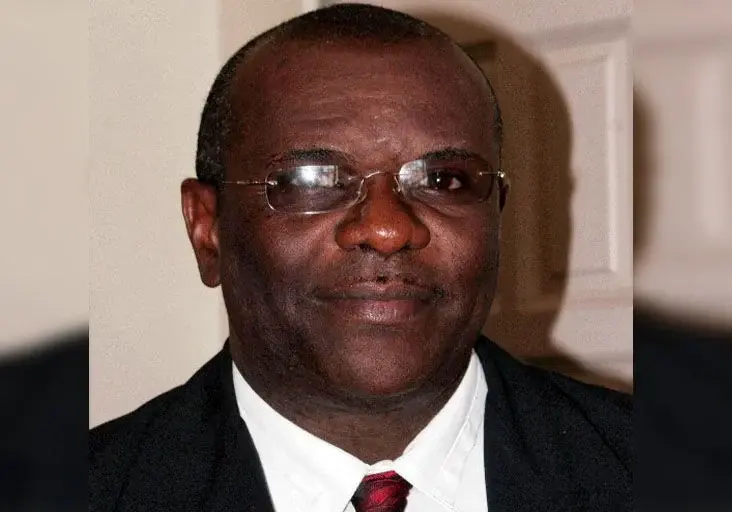
Days after the UK-based Privy Council delivered a landmark ruling that formally strikes down colonial-era legislation criminalizing consensual same-sex relations between adult citizens in Trinidad and Tobago, three prominent religious leaders representing different faith communities have publicly voiced their non-support for the judicial decision, citing their adherence to longstanding divine spiritual principles. Dr. Ellis Burris, president of the country’s Inter-Religious Organisation (IRO) — a multi-faith body that counts Baha’i, Zoroastrian, Hindu, Muslim, and Christian congregations among its affiliated members — told local outlet the Trinidad Express in a telephone interview that no major global divine religious tradition endorses the newly validated secular legal framework. Burris explained that the IRO’s entire membership is unified in prioritizing alignment of national laws with what they define as universal divine principles, and that the group will only throw its support behind state legislation that matches these spiritual benchmarks. He noted that the organization would not intervene to judge the personal lives of LGBT+ community members, and instead called for mutual patience and respect, urging both religious followers and queer residents to engage in prayer to work toward what he framed as eventual universal alignment of all earthly laws with divine mandates. He framed the shift toward secular legal recognition of same-sex relations as a symptom of eroding spiritual fabric amid rising materialism, adding that communities must move gradually toward greater spiritual harmony without cruelty or inhumanity toward others. Separately, Palo Seco Imam Lorris Ballack shared his uncompromising rejection of the ruling in a separate phone interview, stating he cannot condone the new legal status. While he said he would not intervene in private personal choices between consenting adults, he warned that the ruling could pave the way for subsequent legal changes including same-sex marriage certification and adoption of young boys by same-sex male couples, outcomes he claimed would create a “sick society.” Ballack referenced the biblical and Quranic story of the destruction of Sodom and Gomorrah as a divine punishment for same-sex relations, claiming the ruling could bring similar collective harm to Trinidad and Tobago and calling on all citizens to speak out publicly against the decision. Spiritual Shouter Baptists Archbishop Barbara Burke also joined the chorus of critics, describing the decriminalization ruling as an “evil” imposition that contradicts divine design for humanity. Burke echoed the reference to the destruction of Sodom and Gomorrah, questioning why a majority-faith nation like Trinidad and Tobago was being forced to accept the legal change, which she incorrectly implied originated from London rather than local judicial processes. She argued that the country’s far more urgent public priority should be addressing its persistent high murder rate, calling on all prayerful citizens to kneel in worship to chase away what she framed as invading evil forces. She closed with a rhetorical question comparing the historic persecution faced by Shouter Baptist communities, who were once targeted for arrest for their traditional worship practices including ringing ceremonial bells, to the new legal status for same-sex relations, asking which of the two she described as transgressions was more harmful to national life.