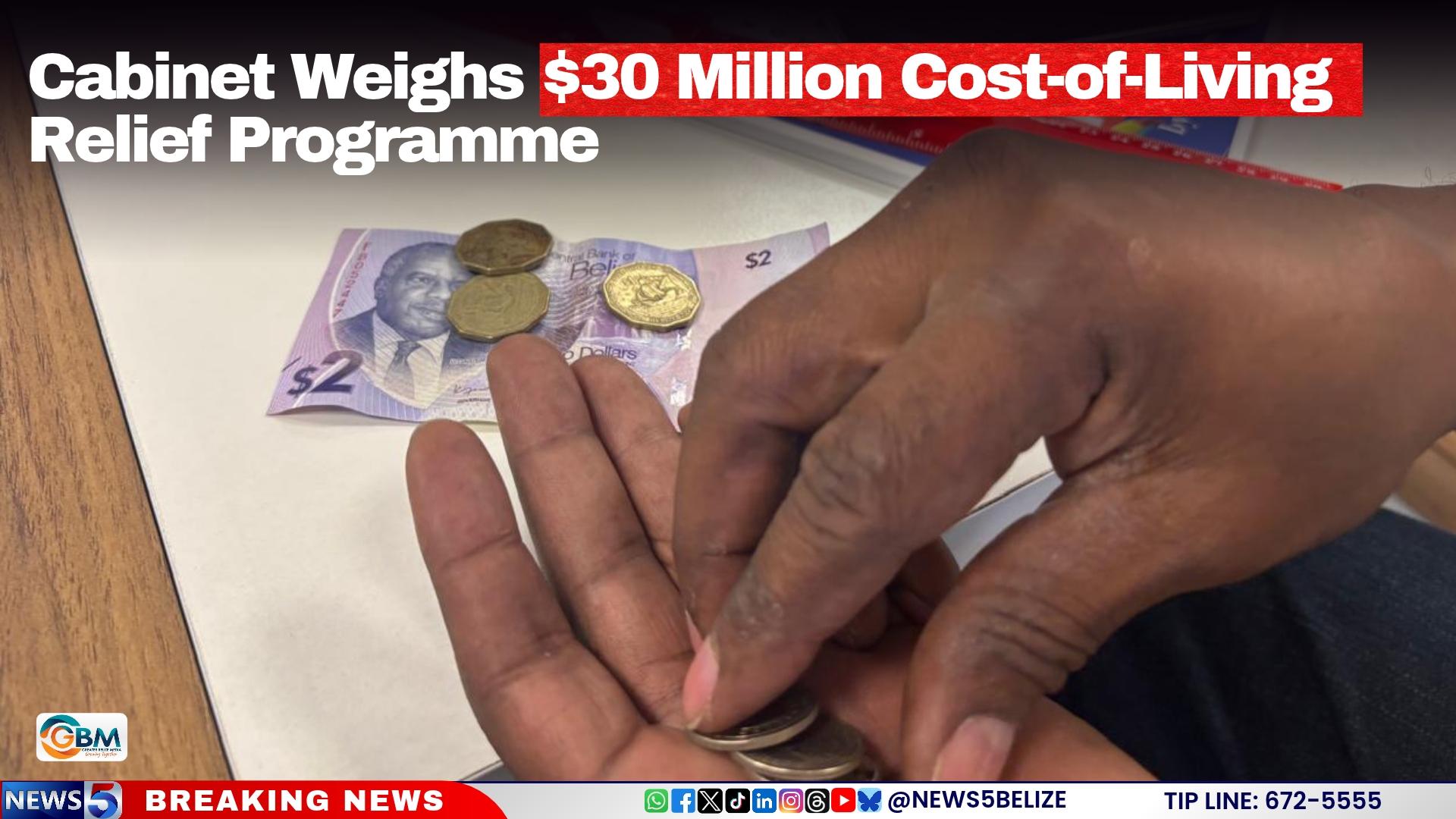
On November 11, 2026, official updates emerged from a post-meeting briefing held in Belmopan, where Cabinet Minister Francis Fonseca confirmed that Belize’s national cabinet is actively deliberating a sweeping $30 million cost-of-living relief initiative designed to roll out over a minimum five-month initial term, with built-in flexibility for extension based on evolving economic conditions. The proposed suite of support measures spans targeted expansions of existing social safety nets, regulatory adjustments to housing and rental frameworks, and potential revisions to national income tax rules, all calibrated to address the widespread affordability crunch currently facing Belizean households. Fonseca outlined that priority expansions would target long-running established support programs, including the national grocery bag distribution scheme and the existing BOOST cash transfer initiative, with new targeting criteria to ensure aid reaches the most financially vulnerable populations first. Policymakers are also conducting a full review of existing rent legislation, a direct response to widespread public feedback that soaring housing and rental costs represent one of the most burdensome recurring expenses for working families across the country. Utility cost relief measures are also under active consideration as part of the broader package. In a parallel stream of work, the Cabinet has formally directed the Ministry of Finance to carry out a granular, data-backed review of the current personal income tax threshold, with a mandate to draft legislative amendments that would deliver direct, tangible tax savings to low and middle-income earners. The planned $30 million allocation will fund the first five months of the relief program, after which government economists will conduct a full evaluation of inflation trends, household spending patterns, and broader macroeconomic stability to determine if additional funding and extended support periods are warranted. The push for this relief package follows the latest official data release from the Statistical Institute of Belize (SIB), which validated widespread public reports of stretched household budgets: year-on-year inflation currently stands at 4.7%, driven in large part by elevated fuel prices that have hit $15.69 per gallon, while separate SIB consumer confidence metrics have fallen to their lowest recorded point since April 2024, reflecting growing public anxiety about day-to-day affordability.