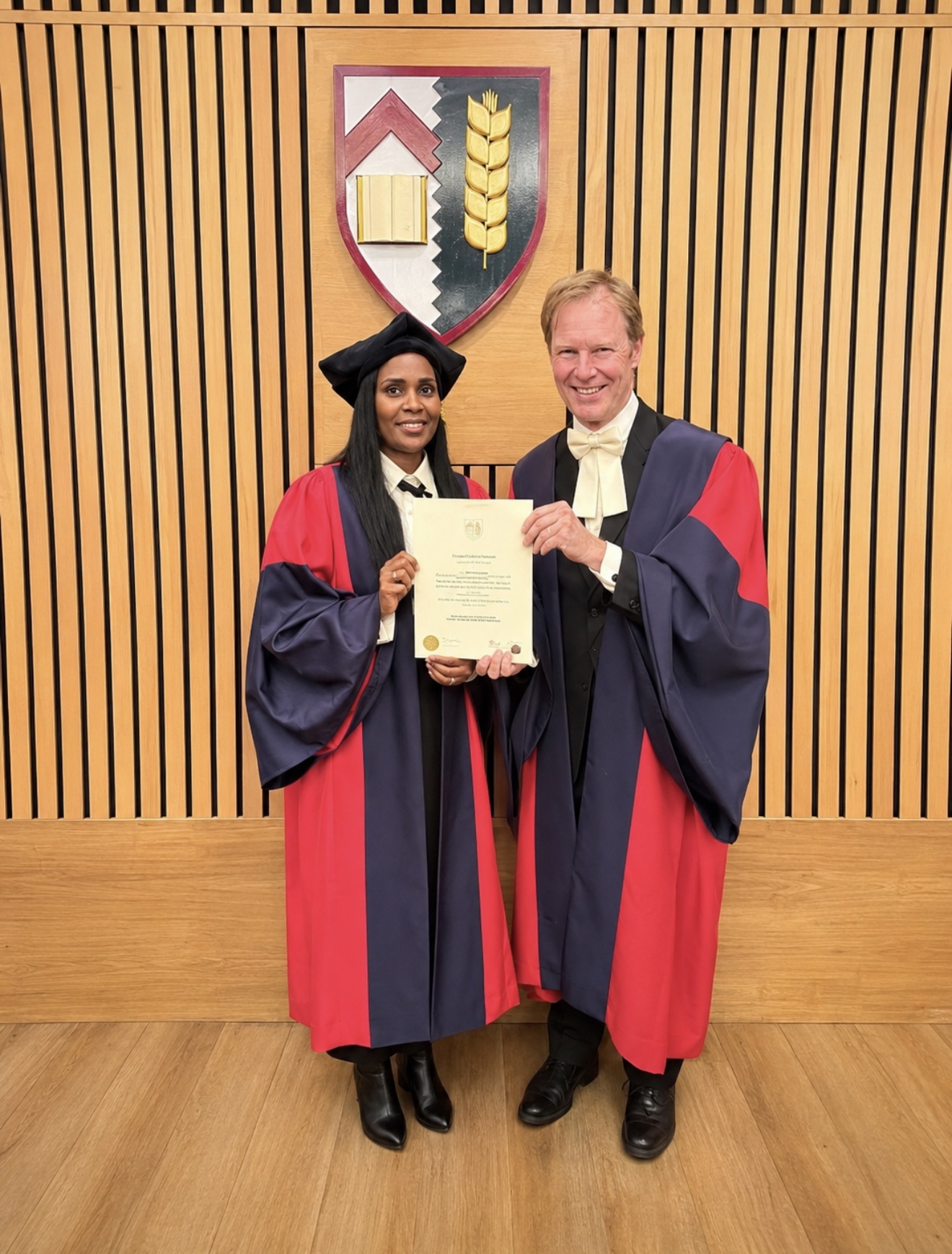
A distinguished Guyanese-born medical professional and citizen of Antigua and Barbuda, Dr. Tansy Pile Wade, has reached a landmark academic milestone by being awarded a Doctor of Philosophy in Evidence-Based Health Care from the University of Oxford, one of the world’s most prestigious higher education and research institutions. Wade’s years of rigorous doctoral work centered on a pressing, understudied regional health priority: optimizing the administration of antibiotics during cesarean delivery procedures in Antigua and Barbuda, a clinical area widely recognized as make-or-break for reducing post-surgical infections and safeguarding maternal patient safety. Her full doctoral thesis, formally titled *Developing an evidence-based intervention for surgical antibiotic prophylaxis use in women undergoing Caesarean delivery in Antigua and Barbuda*, was designed to translate peer-reviewed scientific data into actionable, context-specific clinical protocols that elevate local maternity care standards. The body of work directly confronts longstanding systemic gaps in appropriate antibiotic deployment during surgical maternity interventions, where avoidable infection risks pose severe threats to new mothers and can undermine long-term positive health outcomes for both patients and care teams. Beyond her core doctoral project, Dr. Wade’s cumulative published research forms a valuable new addition to the global evidence base for antimicrobial stewardship, the global public health framework that advocates for deliberate, responsible antibiotic prescribing to cut down on unnecessary medication use and slow the accelerating, life-threatening spread of antibiotic resistant pathogens. Her wider portfolio of published work includes cross-national analyses of health care-associated infection rates and antibiotic prescribing norms across all member states of the Caribbean Community (CARICOM), alongside targeted investigations of antimicrobial stewardship program implementation in regional hospitals, antibiotic administration protocols for cesarean sections, and prescribing pattern audits conducted at Antigua and Barbuda’s leading tertiary care facility. In 2026, Wade was invited to present key preliminary findings from her doctoral research at the University of Oxford’s flagship EBMLive conference, a leading global gathering for evidence-based health care practitioners, where she shared actionable frameworks for strengthening surgical antibiotic prophylaxis protocols for cesarean deliveries in her home nation. Her presentation drew widespread attention for illustrating how context-grounded, community-focused research conducted in small island Caribbean states can make meaningful contributions to global conversations around clinical care quality, patient safety, and public health resilience. The completion of her Oxford doctorate stands as a transformative personal and professional milestone for Dr. Wade, while also bringing long-overdue visibility to the critical, underrecognized contributions of Caribbean-based medical researchers to international public health progress. Health policy leaders across the region note that her body of work is poised to drive tangible, long-term improvements to evidence-based health care delivery not only in Antigua and Barbuda, but across the entire Caribbean region, with particularly far-reaching impacts for infection prevention initiatives and coordinated cross-national efforts to promote responsible antibiotic use. Wade’s academic success at a top-tier global research university also serves as a powerful demonstration of the outsized impact Caribbean skilled professionals can have when supported to lead targeted, context-specific research that directly addresses the unique, unmet health care challenges facing small island developing states.
Guyanese-born Antigua and Barbuda national Tansy Wade earns doctorate from University of Oxford