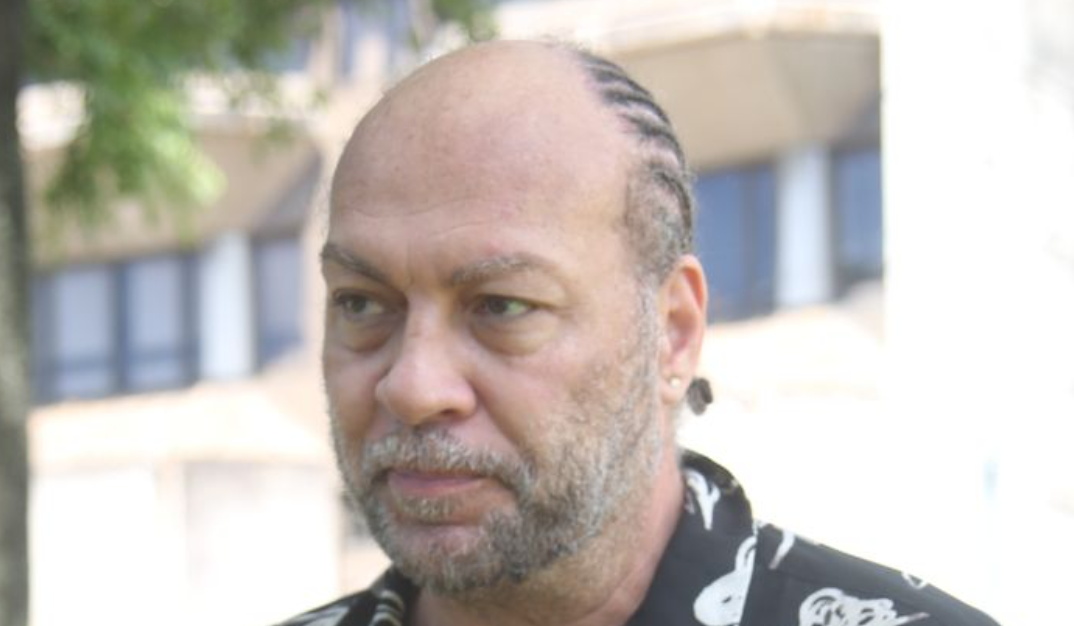
In a historic, unanimous ruling issued on Tuesday, the London-based Judicial Committee of the Privy Council — Trinidad and Tobago’s highest appellate court — sided with 62-year-old gay activist Jason Jones, formally invalidating longstanding criminal provisions targeting consensual adult same-sex relations in the Caribbean nation. Jones, a Trinidad and Tobago native now residing in the United Kingdom, had launched his legal challenge against Sections 13 and 16 of the 1986 Sexual Offences Act, which criminalize so-called “buggery” and all non-intercourse sexual acts outside of private, consensual encounters between heterosexual adults aged 16 or older, arguing the statutes violated his constitutionally enshrined right to private and family life and core human dignity. Prior to the hearing, Jones had publicly expressed unwavering confidence that the court would reject what he described as a 500-year-old homophobic colonial British law, noting “The Privy Council will never uphold a 500-year-old homophobic piece of British law that goes against the rights of the individual! Not in 2026! I’m going to win.” While celebrating the watershed ruling, Jones emphasized that the decision alone would not resolve broader systemic gaps in LGBTQ+ equality across the Commonwealth, where dozens of nations still enforce discriminatory laws inherited from British colonial rule. Represented by former Trinidad and Tobago Attorney General Anand Ramlogan SC, Jones navigated a multi-year legal battle that first saw the country’s High Court rule the two contested sections unconstitutional, before a split Court of Appeal partially reinstated the statutes by ruling they qualified as “existing protected law” under Section 6 of the 1976 Trinidad and Tobago Constitution, which shields pre-independence laws from fundamental rights challenges. The Privy Council, in a judgment jointly delivered by Lord Sales and Lord Burrows and backed by all committee members, dismissed both the lower Court of Appeal’s partial validation of the provisions and the state Attorney General’s cross-appeal defending the statutes. The panel clarified that the 1986 Sexual Offences Act constituted a full, comprehensive parliamentary overhaul of the nation’s sexual offence legal framework, rather than a minor re-enactment of pre-1976 colonial law, and thus was not eligible for protection under Section 6 of the Constitution. The judges further rejected the state’s argument that the statutes were justified under Section 13 of the Constitution, which allows laws that deviate from fundamental rights only if they can be proven reasonably justifiable in a society that respects individual liberties. The panel ruled that the “reasonably justifiable” test must be assessed at the time the individual’s rights are being challenged, not at the date the law was originally passed, and noted that the Attorney General had failed to submit any evidence demonstrating the criminalization of private, consensual same-sex conduct served a legitimate public interest. The judges explicitly emphasized that criminalizing intimate same-sex relationships strikes at the very core of personal identity and human dignity, and that the severe intrusion on Jones’s private life could never meet the threshold for a fair, proportionate balance of public and private interests. While the committee noted it will solicit final written submissions from both parties to formalize the exact remedial revisions to the 1986 Sexual Offences Act, it confirmed its provisional position that the original High Court’s full declaration of unconstitutionality for Sections 13 and 16 should be upheld. Ramlogan hailed the outcome as an unprecedented, transformative win for equal dignity, privacy rights, and LGBTQ+ equality across the twin-island nation.