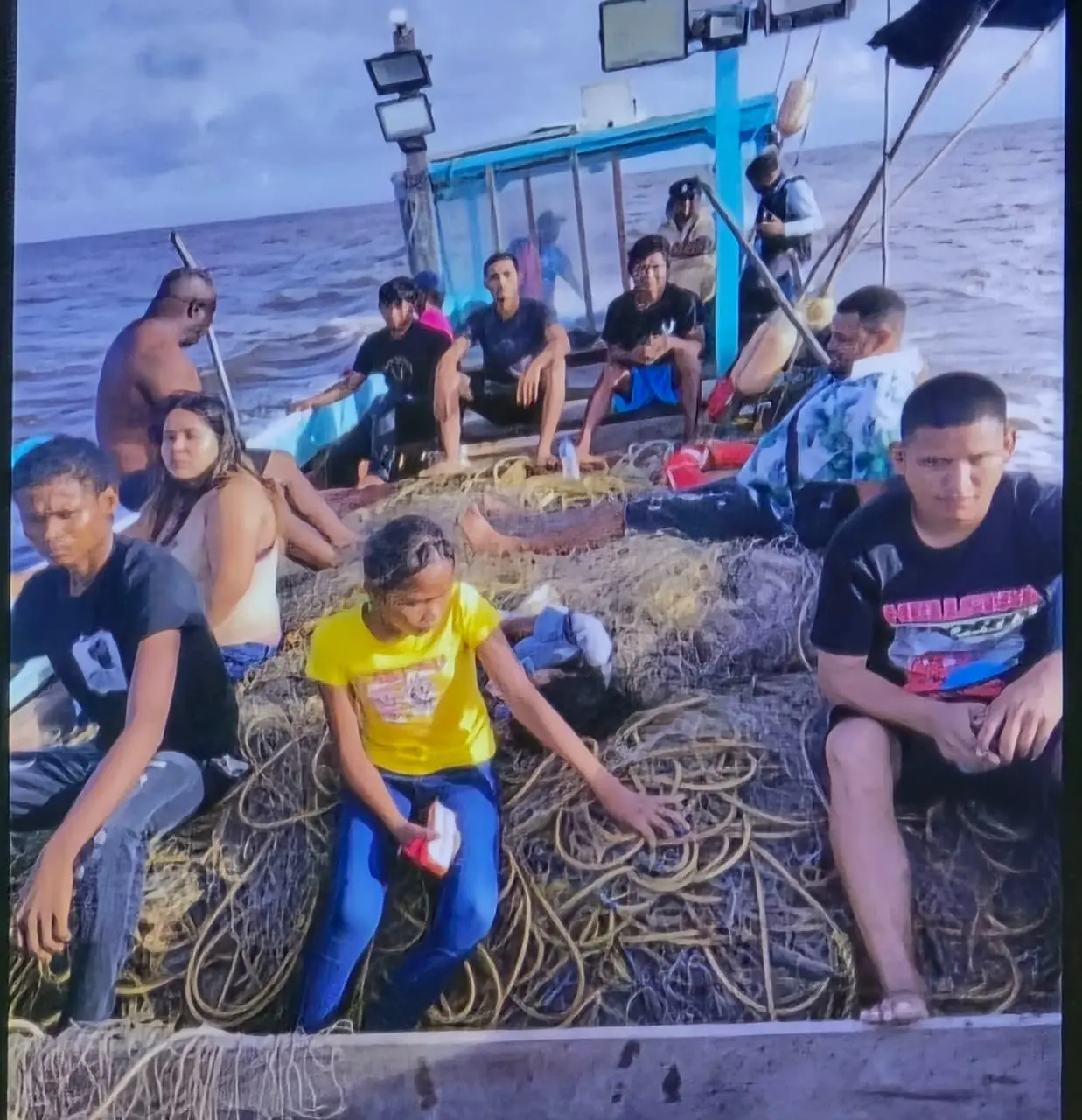
On Tuesday, November 10, 2026, the ongoing public Commission of Inquiry probing the deadly July capsizing of the 87-year-old ferry MV Barima off Guyana’s Essequibo Coast heard firsthand accounts from two key witnesses that cast new light on the hours surrounding the disaster and long-unaddressed safety lapses on the vessel, which claimed an estimated 100 lives four months prior. Veteran Guyanese fisherman Haresh Singh, who led the rescue of 11 survivors from the sunken ferry, testified before the five-member panel of legal and maritime operations experts that GDF Coast Guard Commander David Shamsudeen had previously considered a targeted salvage plan to tow the distressed vessel close to shore before it fully sank. Singh outlined that the proposed intervention would have secured the MV Barima to a nearby barge to pump out floodwater, a move he insisted could have averted the mass casualty event entirely. Singh, who was fishing in the area on the afternoon of July 19 when the ferry went down, shared that his local, generations-honed knowledge of Atlantic tidal patterns, unusual shifts in seawater color, and a distinct acrid, oil-tinged odor in the water allowed his crew to pinpoint the exact 55-foot-deep location of the sunken wreck long before official response teams arrived. It was during that initial search that his crew spotted a life raft carrying 11 people, including a wounded young child, none of whom were wearing personal flotation devices. The fisherman added that there was no cellular service at the offshore site of the sinking, and his crew only encountered a Coast Guard patrol vessel as they traveled back toward shore with the rescued group. He further noted that the stretch of Atlantic 10 nautical miles off the Essequibo Coast, where the MV Barima now rests, is notoriously treacherous, with a long documented history of trawlers, pontoons, and small cargo vessels sinking due to unpredictable, rough sea conditions. In a separate testimony to the inquiry, MARAD (Maritime Administration) Inspector Christopher Bailey confirmed that the MV Barima had been formally exempted from mandatory routine safety inspections, and that the only optional check conducted on the aging ferry one year prior to the disaster, ordered at the direct request of MARAD’s director, uncovered a series of critical safety failures. These included a fully non-functional Automatic Identification System (AIS) for real-time vessel tracking, a broken radar unit that was not even listed on the ferry’s official registered equipment manifest, and a defective Emergency Position-Indicating Radio Beacon that would have prevented first responders from receiving an automatic distress signal when the capsizing occurred. The Guyanese government has since contracted BK International to carry out formal salvage operations on the sunken MV Barima wreck.