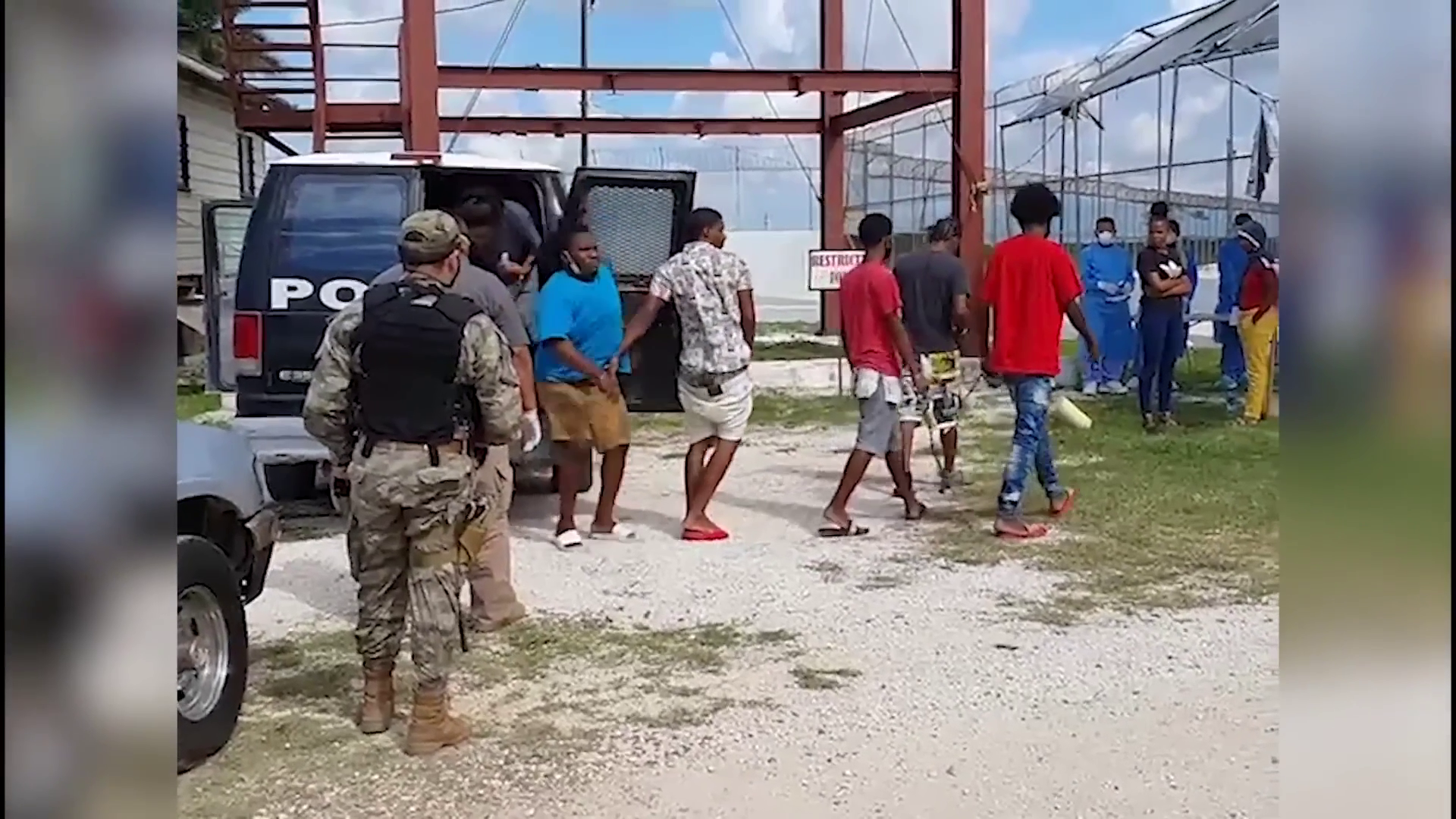
As of November 9, 2026, a widely implemented State of Emergency (SOE) across targeted Belizean communities has been framed by law enforcement as a critical intervention to curb surging gang-related violence, but on-the-ground reporting from News Five correspondent Shane Williams reveals the measures are imposing severe, unforeseen strains on ordinary local families far beyond suspected criminal networks. Under the expanded SOE rules, uniformed officers are granted sweeping discretionary powers to conduct warrantless residential searches, disperse unauthorized public gatherings, and maintain continuous surveillance on individuals flagged as persons of interest, while Minister of National Security Michel Chebat holds authority to issue formal confinement orders that restrict targeted individuals to their homes for designated time windows, barring all outings except for pre-vetted urgent or essential needs. Law enforcement officials confirm 24 such confinement orders have been formally issued to date. For many residents, however, these broad powers have translated to persistent disruption of daily life rather than a sense of increased safety. A Fairweather Street resident shared a harrowing account of repeated, unprompted police visits to their home in the immediate days after a family funeral, with officers arriving to conduct searches on the Saturday the family returned from the service, again early Sunday morning, and a third time late Sunday evening. The resident described the repeated encounters as deliberate harassment rather than protective outreach, noting that law enforcement had been nowhere to be found when the family previously faced urgent safety concerns, leaving them to handle their grieving process unassisted until the sudden surge of unwanted police attention. The economic ripple effects of the SOE measures have hit low-income households particularly hard, especially for families that rely entirely on informal daily labor including artisanal fishing, car washing, and casual day jobs that require in-person presence to earn income. When a household member is subject to a confinement order and cannot leave home for work, the entire family loses access to their regular earnings, with no formal government support system in place to offset the lost income. Multiple residents emphasized that overbroad enforcement is penalizing innocent community members, taking critical income away from working parents and leaving children without access to basic necessities. The restrictions on public gatherings have also thrown longstanding cultural community events into uncertainty, including upcoming traditional Garifuna celebrations that typically feature weeks of pre-event drumming circles, small community gatherings, and a large central public ceremony on the 18th of the month. When pressed for clarity on whether special accommodations would be made for these culturally significant activities, Senior Staff Officer ASP Stacy Smith confirmed that police are currently reviewing plans for the main Garifuna celebration event, but emphasized that no pre-SOE public gathering activities can proceed as normal while emergency rules remain in effect, and that formal guidance for the public will only be released once final plans are locked in. The report concludes that while the SOE may deliver short-term reductions in overt gang activity, its broad scope has placed entire neighborhoods under pervasive, constant surveillance, with cascading harms to family privacy, household economic stability, and long-held cultural traditions that extend far beyond the small group of suspected gang members the policy was initially designed to target.