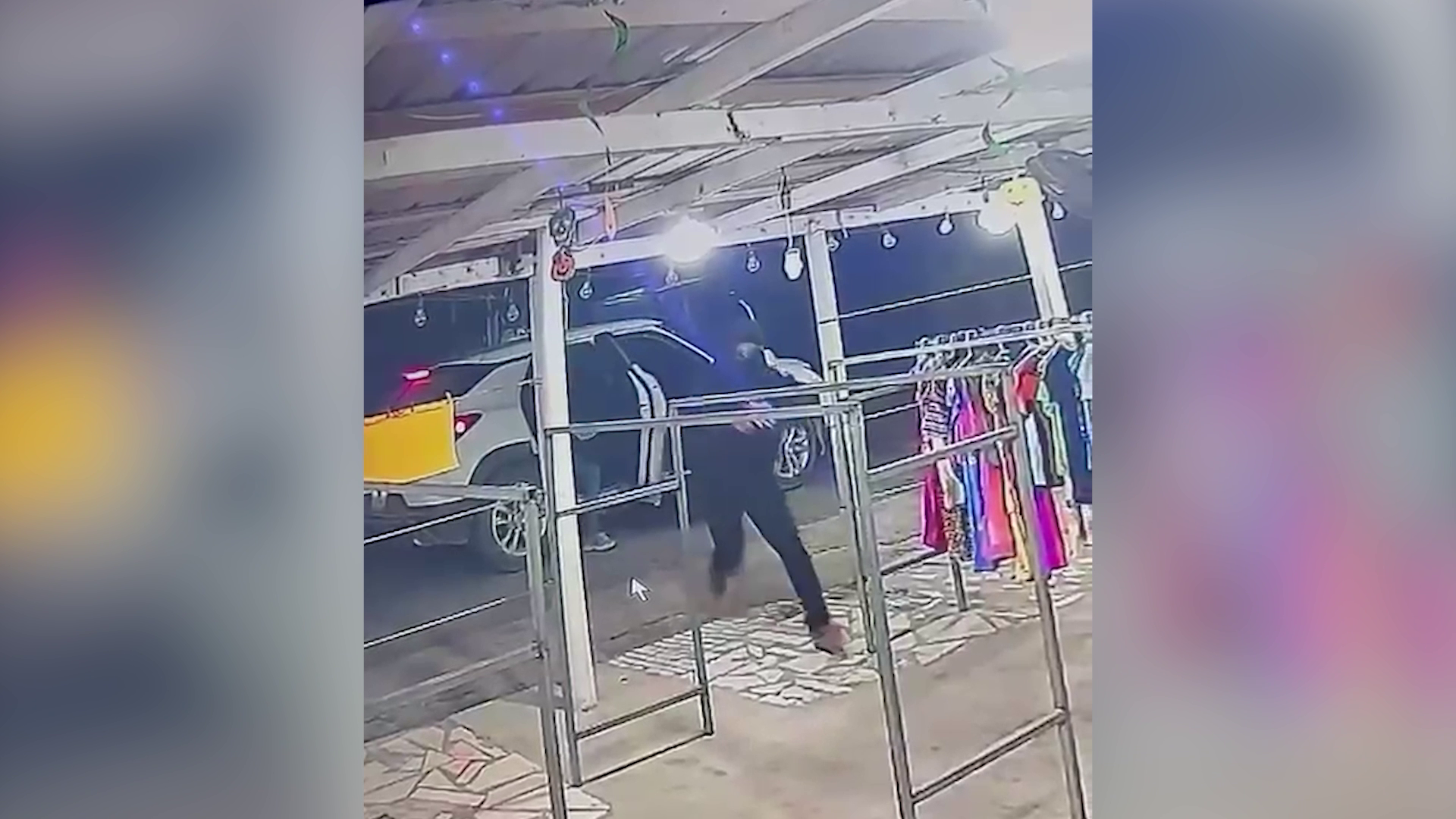
On November 9, 2026, top national security authorities unveiled a sweeping new policy push to update long-standing car rental industry regulations, following a documented rise in criminal activity linked to improperly vetted rented vehicles. National Security Minister Michel Chebat first announced the planned regulatory review during a recent public press briefing, framing the reform as a critical step to close gaps that have allowed bad actors to exploit rental fleets for illicit operations. ASP Stacy Smith, a senior staff officer with the national police force, expanded on the details of the ongoing initiative in public remarks this week, confirming that law enforcement teams across multiple districts have traced a growing share of violent offenses and cross-jurisdictional drug transshipment operations to vehicles sourced from licensed rental agencies. Smith noted that a significant number of these seized rental cars are currently in police custody, pending formal legal forfeiture proceedings, as their ties to serious criminal activity have been fully verified. She added that she has already held preliminary consultations with Deputy Miller, the official overseeing rental agency licensing protocols, and that the two teams are scheduled to convene a dedicated working group to hash out specific policy adjustments in the coming weeks. The proposed regulatory updates under consideration would mandate rental firms to implement more rigorous customer identity screening protocols, upgrade their digital record-keeping systems to share relevant data with law enforcement in a timely, compliant manner, and introduce new licensing checks for agency operators. To date, representatives from the car rental industry have not released a formal public response to the proposed rule changes, leaving key questions open about potential operational costs for small business owners and privacy protections for law-abiding customers who rely on rental vehicles for travel and work. Policymakers have emphasized that the final regulatory framework will be designed to strike a careful balance between giving police more effective tools to track and intercept criminal suspects, and avoiding unnecessary, burdensome red tape that would penalize legitimate industry operators and ordinary consumers. This announcement comes as part of a broader public safety push to address underregulated gaps that criminal networks have exploited in recent months, according to internal police documents referenced in the official briefing.