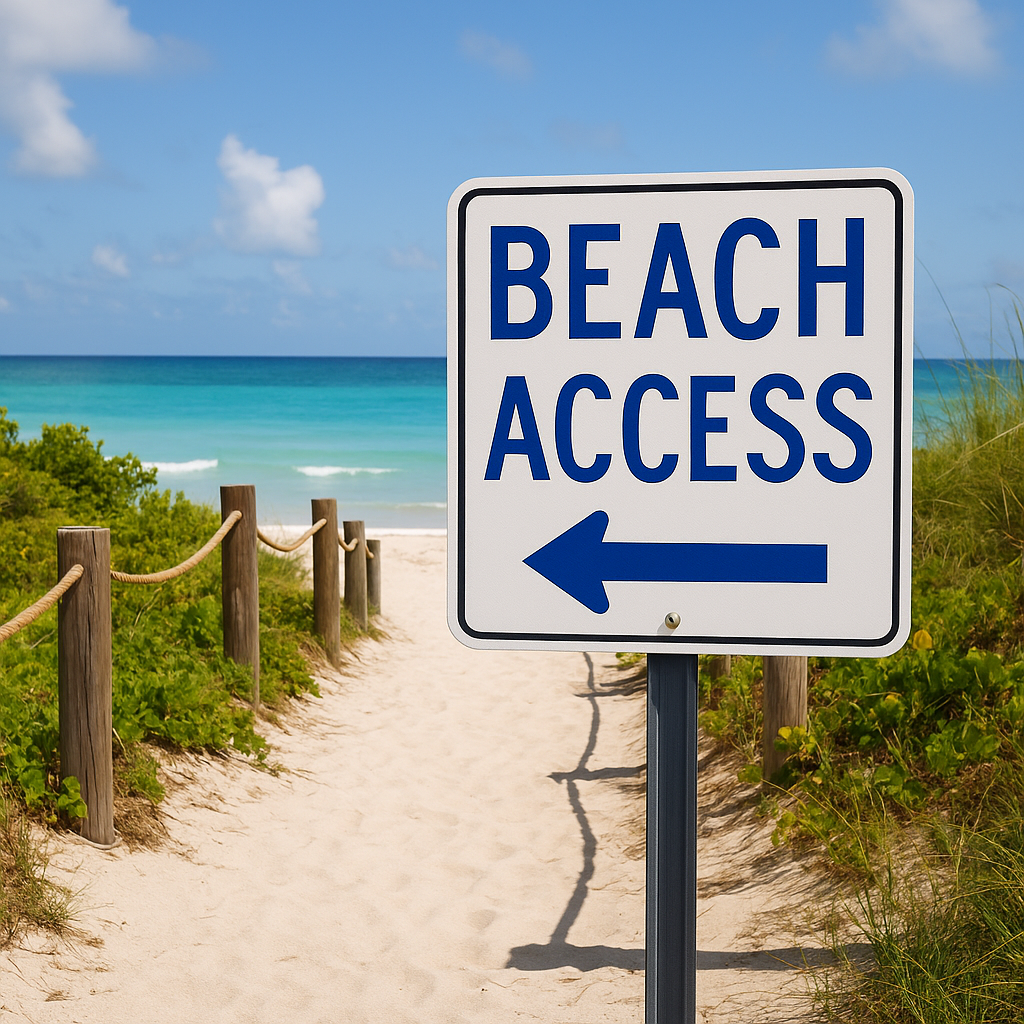
Antigua and Barbuda’s Prime Minister Gaston Browne publicly confirmed over the weekend that his administration has turned down a private request from a member of the prominent Rothschild banking family to seal off a public coastal access trail adjacent to a luxury $30 million residential development the family is constructing on the island.
Appearing as a guest on his self-titled weekly “Browne and Browne Show” broadcast on Saturday, Browne revealed that a female member of the Rothschild household had reached out to him directly to lobby against the government’s longstanding regulatory position that all public beach access points must remain open to local residents and visitors alike. Despite the personal outreach, Browne emphasized that he refused to budge on the legal mandate for unobstructed public coastal entry.
“A member of the Rothschild family came to us recently asking to close that access path, and we told them unequivocally no,” Browne stated on air. “They are developing a $30 million high-end property here, but that does not supersede the rights of the public to access our coastline. I told her that is the written law of this country, and that access cannot be restricted for any private development, no matter how large the investment.”
Browne did not disclose the specific identity of the Rothschild family member involved, the name of the beach in question, or the exact geographic location of the ongoing development, and his public account did not include any formal response from the Rothschild camp regarding the rejected request, nor granular details on the exact terms of the disputed access arrangement.
The revelation about the Rothschild dispute emerged during a broader on-air discussion about national efforts to expand and protect public access to Antigua and Barbuda’s shorelines, sparked by a grassroots petition organized by well-known local environmental activist Eli Fuller that has garnered roughly 4,000 signatures to date. Browne clarified that while he has clashed publicly with Fuller in recent months over the controversial Peace Beach development project, he fully supports the core goals of the beach access advocacy campaign and is open to formally receiving the petition to review its policy recommendations.
“I have already gone on public record stating that our country has significant room to improve when it comes to guaranteeing consistent, reliable beach access for all our people,” Browne explained. “Our administration is actively working to identify and reclaim coastal access points that have been blocked or encroached on by private developments over the years.”
Browne also noted that the government recently successfully intervened to restore full public access to the popular Pearns Point coastline after a period of restricted entry caused by private development disputes, though he acknowledged that longstanding access issues at the exclusive Mill Reef coastal community remain unresolved. He added that he has already held preliminary conversations with Mill Reef representative Ralph Isham to negotiate a mutually acceptable access framework that prioritizes public use while addressing legitimate private property security concerns.
The prime minister went out of his way to draw a clear line between his broad support for expanded public beach rights and his ongoing public disagreements with Fuller over the Peace Beach project, noting that he now accepts Fuller’s public denial that he organized a separate petition opposing the Peace Beach development, and that earlier intelligence he received suggesting Fuller had led such an effort may have been inaccurate.
Antigua and Barbuda refused beach access closure near US$30 million property, PM says