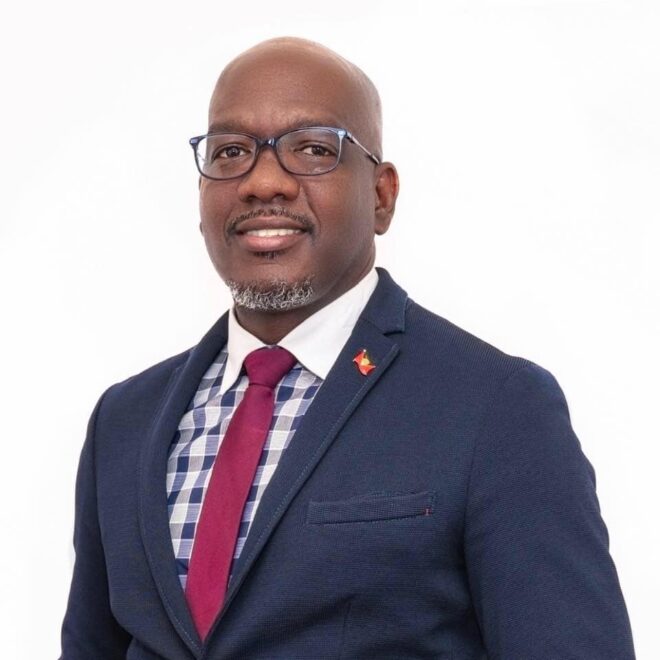
During Antigua and Barbuda’s fourth Universal Periodic Review (UPR) session hosted by the United Nations Human Rights Council (UNHRC), a series of targeted education-focused reform recommendations were tabled by fellow UN member states, led by Ecuador’s formal proposal for sweeping legal upgrades to the Caribbean nation’s education governance structure. Ecuador’s delegation formally called on Antigua and Barbuda’s administration to embed the fundamental right to education within its national constitution, alongside passing binding statutory legislation that enshrines a minimum of 12 consecutive years of free access to primary and secondary schooling for all residents. The dual-track proposal is designed to grant explicit, supreme legal recognition to education as a universal human right, rather than leaving it anchored only in ordinary statutory law, while creating non-negotiable guarantees for uninterrupted free learning across the primary and secondary academic lifecycle. In its official on-the-record response during the UNHRC review, Antigua and Barbuda’s official national delegation emphasized that the sitting government assigns the “utmost importance” to equitable education access, and has already implemented targeted operational measures to remove cost barriers for all learners across the country. The delegation clarified that existing domestic legislation, specifically the national Education Act, already codifies the legal right to education for all citizens, but noted that any amendment to the national constitution faces significant procedural hurdles: under Antigua and Barbuda’s existing governance rules, constitutional reform requires a two-thirds supermajority vote in the national parliament, followed by a binding national public referendum, a high threshold that has historically slowed efforts to adjust foundational constitutional provisions. Ecuador was far from the only nation to put forward education-focused reform recommendations during the UPR process. The Dominican Republic tabled a more expansive proposal, calling on Antigua and Barbuda to guarantee not just 12 years of free primary and secondary education, but an additional full year of free, accessible pre-primary schooling for all young children. Cyprus also submitted a formal recommendation advocating for expanded free education access, specifically mandating one year of free, compulsory pre-primary education to lay stronger foundational learning outcomes for early childhood cohorts. At the close of the review session, Antigua and Barbuda’s delegation confirmed that it would not issue an immediate formal verdict on the full suite of education-related recommendations, formally reserving its position on all submissions. The government announced it will launch a cross-sector consultation process that includes engagement with education stakeholders, civil society groups, and the general public, before delivering a finalized official response to the UN Human Rights Council at a later scheduled date.
Ecuador urges Antigua and Barbuda to protect education in Constitution and guarantee 12 years of free schooling