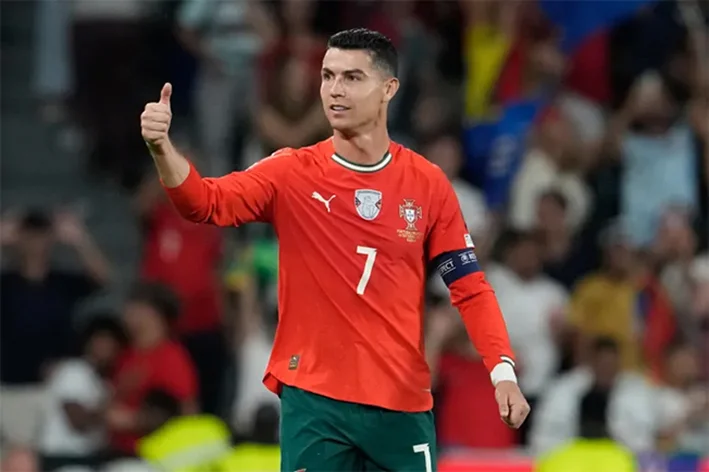
On November 5, football icon Cristiano Ronaldo formally declared he will step away from the Portuguese men’s national football team following the upcoming international fixture window, drawing the curtain on a historic 23-year international career that cemented his status as one of the most transformative figures in the sport’s global history. The 41-year-old striker shared the news via an emotional social media video message, noting the time had come to pass on his iconic No.7 jersey to the next generation of Portuguese talent.
“This was never an easy choice, because some decisions are not made by logic alone—they are guided by your heart as well,” Ronaldo stated in his address, extending heartfelt gratitude to his family, former teammates, coaching staff, support personnel, and millions of Portuguese supporters for their unwavering backing across his decades representing the nation. “If I ever brought you joy, if one of my goals made you embrace a loved one, forget your troubles for a moment, or feel deep pride for our country, then every second of this journey was worth it.”
Ronaldo made his senior national team debut in August 2003 at just 18 years old, and over the course of his international tenure, he amassed unprecedented records: 234 caps and 146 goals, making him the all-time leading appearance maker and top goalscorer in men’s international football history. His crowning team achievements with Portugal include the nation’s first-ever UEFA European Championship title in 2016, followed by two UEFA Nations League trophies in 2019 and 2025. He represented his country at six FIFA World Cup tournaments, evolving into one of the most recognizable faces of global football and serving as the team’s long-serving captain through countless highs and lows.
Looking back on his career, Ronaldo acknowledged the full spectrum of experiences he shared with the national side. “There were perfect afternoons and evenings, victories I will never forget, and defeats that still bring me pain when I look back. I made mistakes, and I endured hardship,” he reflected. “I know I could not always deliver the outcome the Portuguese people hoped for with such passion, but I never stopped fighting, and I was always proud to wear our national crest. I spent my whole life working to become the best player in the world, but today I realize my greatest victory was the honor of representing the greatest country on Earth.”
The announcement comes shortly after a public falling-out with then-national team head coach Jorge Jesus during the September 2025 international window, when Ronaldo was excluded from the starting lineup and informed he would not feature in the subsequent match, prompting him to leave the training camp early. Jesus later extended an open invitation for Ronaldo to return to the squad, but the veteran striker ultimately opted to draw his international career to a close.
The Portuguese Football Federation responded to the news with widespread praise, expressing profound gratitude and admiration for Ronaldo’s unparalleled contributions to the nation’s football legacy, and announcing plans to host a dedicated public tribute event to allow fans and the entire country to honor his historic achievements.
Ronaldo’s retirement follows closely on the heels of his long-time career rival Lionel Messi’s departure from the Argentine national team the previous month, marking the end of a transformative two-decade era in international football that captivated generations of fans worldwide. Neither star is stepping away from club football entirely, however: Ronaldo will continue his tenure with Saudi Pro League side Al-Nassr, as he chases a personal milestone of 1,000 official career goals. His current total stands at 985 goals across spells at Sporting CP (5), Real Madrid (450), Manchester United (145), Juventus (101), Al-Nassr (138), and the Portuguese national team (146). While Portugal will now turn to a new generation of players to carry the No.7 jersey, Cristiano Ronaldo’s name will remain permanently intertwined with the golden age of Portuguese football history.