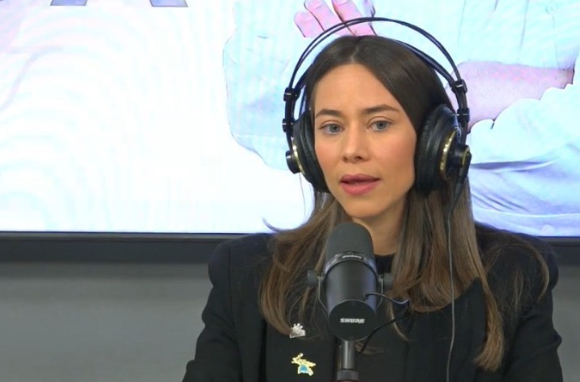
Santo Domingo – The Dominican Republic has rolled out a series of enhanced regulatory measures to govern the extraction of larimar, the vivid, sky-blue semi-precious stone found nowhere else on Earth outside the country’s Barahona province, as policymakers race to head off the risk of permanent depletion of its one-of-a-kind natural reserves. As a non-renewable geological formation, larimar’s unregulated extraction in recent years has raised alarms among environmental stewards and government officials, who warn that uncurbed commercial activity could erase the iconic national heritage resource for future generations while leaving lasting ecological damage to the Barahona region’s fragile mountain ecosystems. Leading the national protection effort is a cross-agency Regulatory Council, chaired by the Ministry of Energy and Mines, that brings together representatives from multiple government bodies to set binding rules covering every stage of larimar extraction, processing, and cross-border commercialization. The newly strengthened framework enforces strict sustainable exploitation caps, mandatory environmental restoration requirements for active mine sites, and targeted safeguards to improve working conditions for local artisanal and industrial mining laborers. Official trade data underscores the urgency of these conservation moves: in the first six months of 2025 alone, Dominican larimar exports hit 177,540 pounds, a figure that nearly doubles the total 95,480 pounds of the stone shipped to global markets across the entire 2024 calendar year. The surging international appetite for the rare gem has been further amplified by a major 2025 milestone: the official “Larimar Barahona” designation of origin earned formal international recognition from the World Intellectual Property Organization (WIPO), and is now legally registered across 28 member states of the Lisbon Agreement for the Protection of Appellations of Origin and Geographical Indications. This protected status blocks unauthorized third parties from marketing imitation stones under the larimar name, secures exclusive branding rights for Dominican producers, and creates new market access opportunities for the full larimar value chain – from small-scale local miners and artisan jewelry makers to export-focused small businesses – in high-demand markets including the United States and China. Michelle Marie Guzmán, director of the Distinctive Signs division at the National Office of Industrial Property (ONAPI), emphasized that the Dominican Republic’s unique status as the only known global home of larimar carries a corresponding national responsibility to manage the resource with deliberate, long-term vision rather than short-term commercial gains. “This stone is not just a commodity; it is a piece of our national identity,” Guzmán noted. “Our pride in holding the world’s only larimar deposit must go hand in hand with responsible stewardship that ensures this natural treasure remains available for our children and grandchildren to discover and benefit from.”
Authorities seek stronger regulations as Larimar reserves face depletion