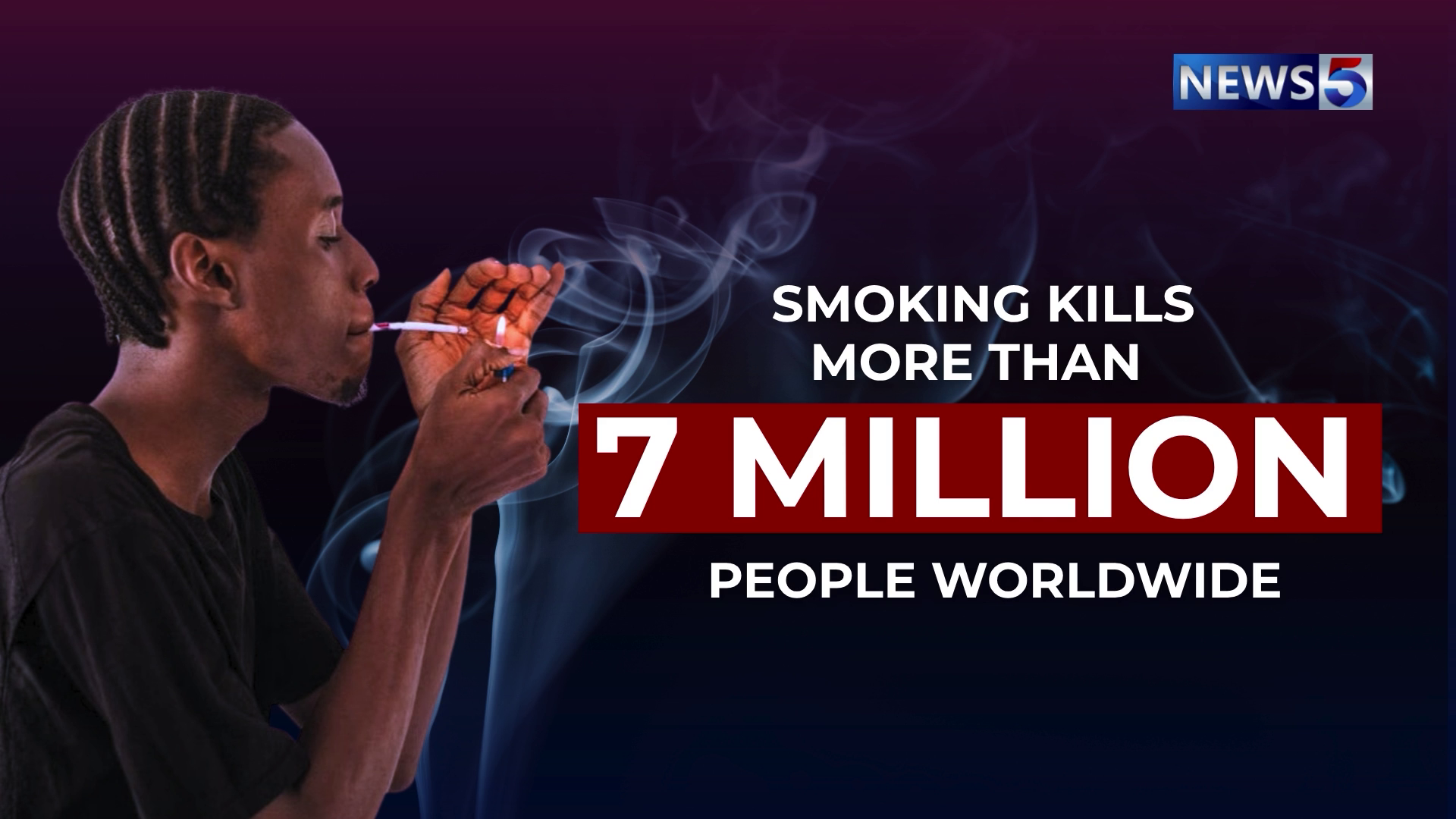
On November 4, 2026, public health authorities in Belize are advancing long-awaited sweeping tobacco control legislation through the national Senate, paired with a historic first-of-its-kind national training program for 100 frontline healthcare workers to deliver targeted nicotine addiction support to residents. The proposed Tobacco Control Bill, which has already secured passage in the House of Representatives, is drafted to fully align Belize’s regulatory framework with the World Health Organization’s Framework Convention on Tobacco Control, a global treaty designed to curb preventable tobacco-related mortality that claims more than 7 million lives annually worldwide. The wide-ranging provisions of the bill include near-total restrictions on all forms of tobacco advertising, mandatory graphic health warning labels on product packaging, strict enforcement mechanisms to block underage access to nicotine and tobacco goods, and a major expansion of designated smoke-free public spaces to reduce harmful secondhand smoke exposure. While health officials frame the policy as a life-saving intervention that addresses two of Belize’s top leading causes of death, tobacco-fueled cancer and cardiovascular disease, a cohort of long-term smokers and small hospitality business operators have raised targeted concerns about potential unintended economic fallout for local bars and restaurants. Lifelong smoker Nancy Nye shared anecdotal evidence of a local eatery that temporarily implemented a voluntary indoor smoking ban to appease non-smoking patrons, only to lose all of its regular smoking customers without gaining new non-smoking clientele, forcing the venue to roll back the policy to remain financially viable. Nye argued that overly strict public smoking rules would push many patrons to consume alcohol and tobacco exclusively at home rather than frequenting local hospitality venues, cutting off critical revenue for small businesses that rely on their customer base. To mitigate the public health burden of tobacco use, the newly trained frontline healthcare teams will deliver personalized cessation support for all interested Belizeans, including tailored quit plans, dedicated mental health counselling via National Drug Abuse Control Council outreach workers, ongoing regular follow-up check-ins, and access to evidence-based nicotine cessation medications at no extra cost through the public health system. Dr. Dongbo Fu, a WHO tobacco cessation expert, noted that regional tobacco usage rates across the Caribbean remain stagnant at roughly 20% of the total population, making Belize’s proposed legislation a critical step to reverse decades of slow progress in reducing preventable tobacco-related harm. Kevin Bernard, Belize’s Minister of Health and Wellness, emphasized during the bill’s initial House introduction that the policy is designed to protect both current and future generations from the catastrophic health, social, and financial harms of tobacco use, including household financial strain that diverts limited family budgets away from food, essential medication, and other basic needs to fund tobacco purchases. Esner Vellos, Director of Belize’s National Drug Abuse Control Council, confirmed that the comprehensive cessation support program will be fully inclusive and accessible to all residents, no matter their location or socioeconomic status. Dr. Marvin Arthurs, a Medical Officer for Belize’s Central Health Region, added that tobacco’s harms extend far beyond individual physical health to erode family dynamics, drive chronic conditions including hypertension, and drain limited household resources that could otherwise be spent on critical health services for all family members. As the bill moves to the Senate for formal debate, public health officials and community stakeholders are weighing the life-saving long-term public health gains against targeted adjustments that could address small business concerns while delivering on the core commitments of the WHO global tobacco control treaty.