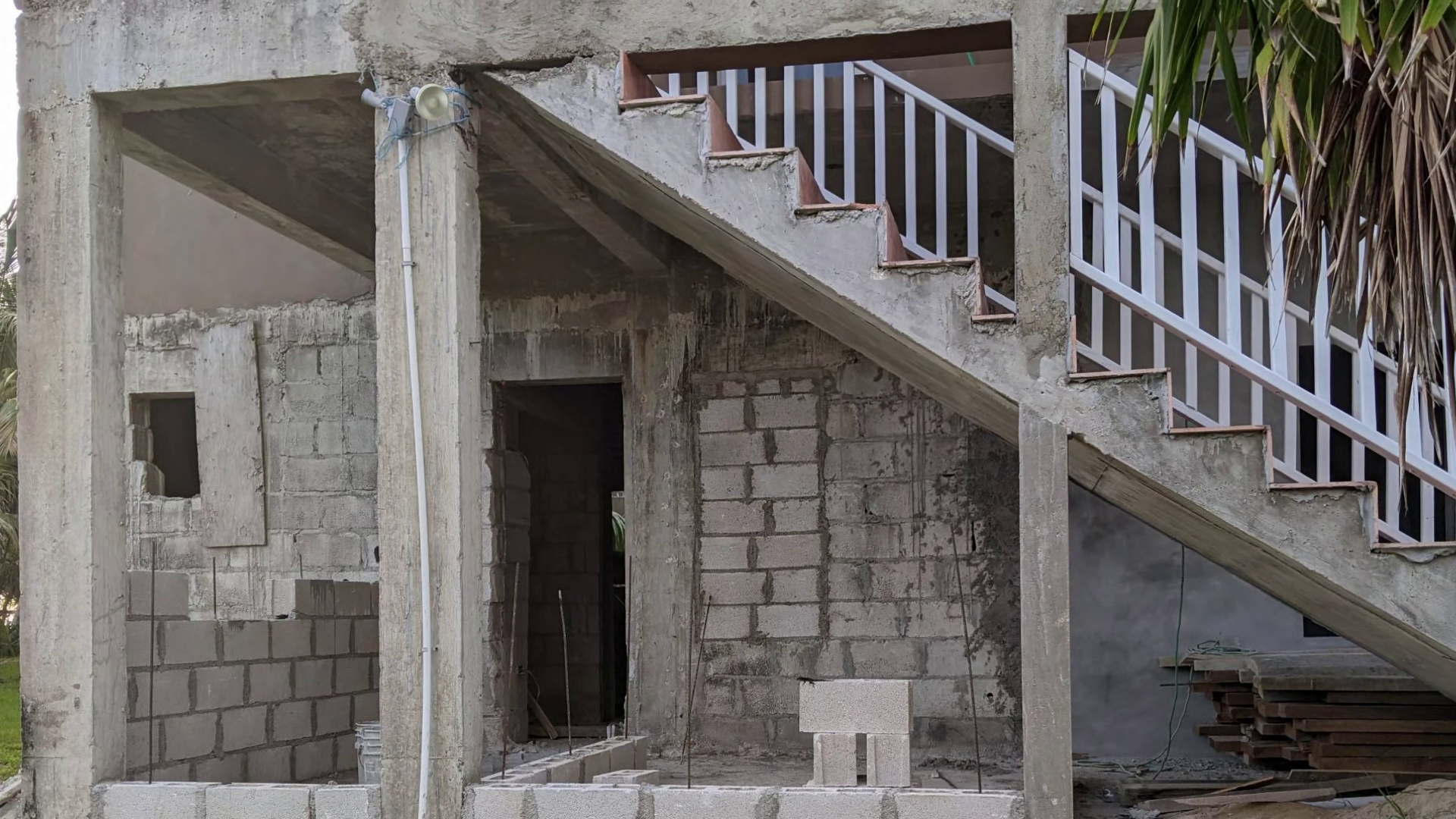
Published on November 4, 2026, this report unpacks a little-noticed energy drain affecting households and commercial properties across Belize, where concrete construction has long been the default building standard to withstand the region’s frequent severe hurricane seasons. While thick concrete walls deliver life-saving structural resilience during tropical storms, the Belize Electricity Limited (BEL) has flagged a major unintended downside for consumers’ monthly utility expenses. As the material absorbs and traps solar heat throughout the sweltering daytime hours, it slowly radiates that stored warmth back into indoor spaces long after the sun sets. This continuous residual heat forces air conditioning systems to run far longer and work at higher capacity to offset the warmth, creating hidden, unanticipated cooling costs that many residents never attribute to their home’s building material. Karique Marin, BEL’s General Manager of Energy Solutions, broke down the root of the issue during a recent broadcast interview. “For decades, Belize’s construction norms have prioritized hurricane resistance over passive cooling design, leading nearly all property owners to default to full concrete builds without realizing the material’s extremely poor thermal performance,” Marin explained. “Many residents walk into their homes after dark and notice their walls are still hot to the touch, and they don’t realize their air conditioner isn’t just cooling the air in the room — it’s wasting large amounts of energy first bringing that heat-soaked concrete down to a comfortable temperature. That’s a massive untapped opportunity for energy savings across the country.” Marin outlined a two-pronged path for consumers to cut these unnecessary costs: first, implementing targeted energy efficiency upgrades, including switching to low-energy lighting, sealing air leaks around windows and door frames to prevent cooled air from escaping, and adopting passive design adjustments that reduce heat buildup before it penetrates interior spaces. For commercial property owners and larger operations, Marin noted rooftop solar can be a viable supplementary solution, but emphasized that no property should invest in a solar system without a full, customized feasibility assessment first. “We’ve seen some solar projects deliver exceptional long-term savings, but others fail to meet consumer expectations because they were installed without a proper site analysis,” Marin added. “BEL’s team offers free, no-obligation consultations for any residential or commercial customer looking to explore energy efficiency improvements or evaluate if a solar setup is a cost-effective fit for their property.” This report is adapted from the network’s evening television newscast, with all Kriol-language segments transcribed using a standardized official spelling system to preserve full accuracy.