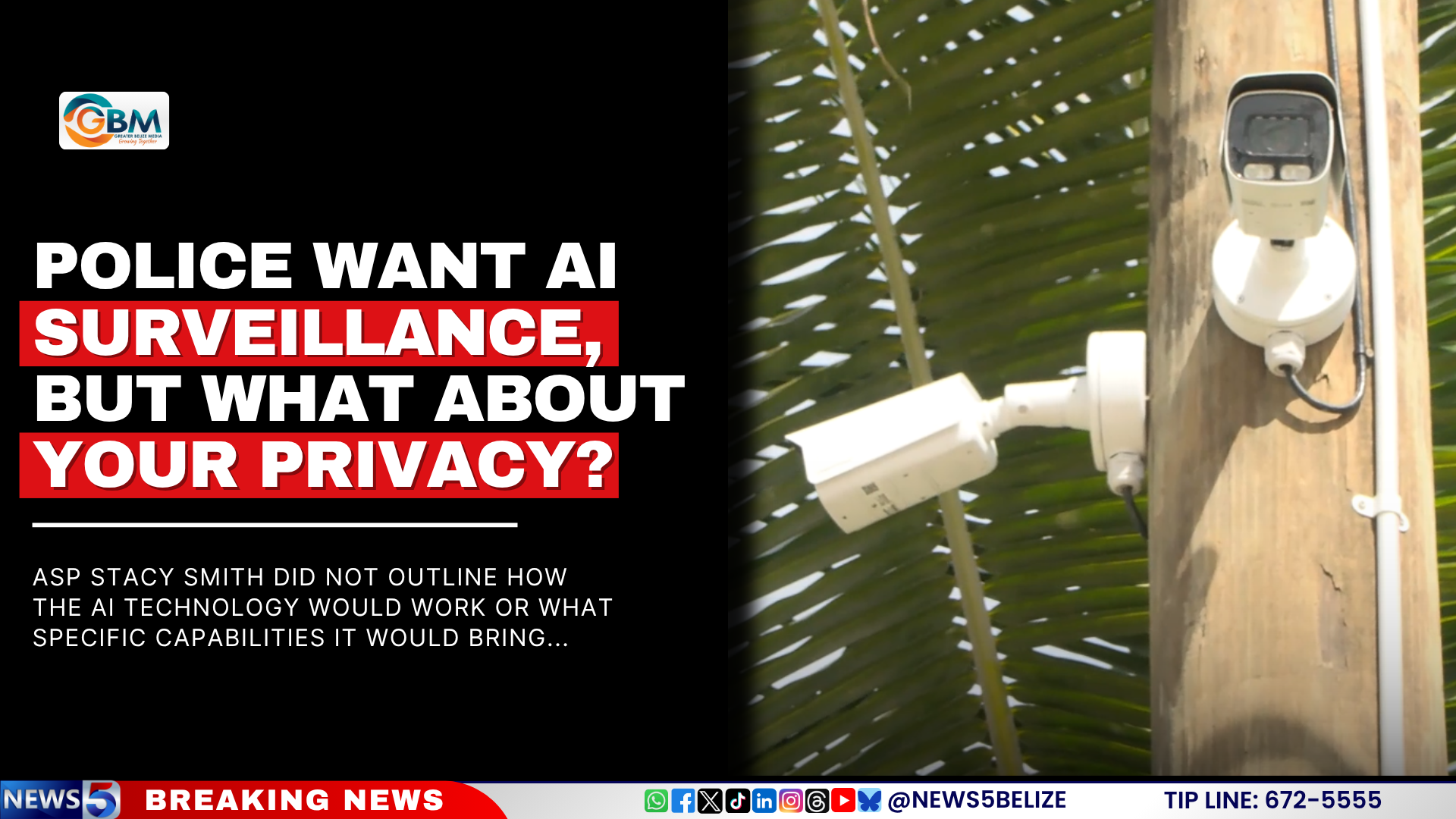
On November 4, 2026, official disclosures from the Belize Police Department have revealed that the law enforcement agency is actively pushing to adopt advanced artificial intelligence tools to overhaul its existing public surveillance infrastructure. The core objective of the proposed AI integration is to automate the labor-intensive process of sifting through hours of closed-circuit television footage, a task that currently pulls a significant number of frontline officers away from community patrol and on-site response duties. ASP Stacy Smith, a senior spokesperson for the department, confirmed that the force is currently in active negotiations with a dedicated public funding agency to secure the full financial support required to roll out the new AI analytics system. Smith noted that the country’s existing network of public CCTV cameras has already delivered measurable improvements to investigative success rates, but manual review of recorded footage remains a major operational bottleneck. The new AI-powered platform is designed to run real-time and retrospective analysis across all connected surveillance feeds, automatically flagging suspicious activity, tracking persons of interest, and generating actionable alerts for command staff, which would in turn reallocate dozens of uniformed officers back to neighborhood patrol, emergency response, and community policing roles. As public debate over potential surveillance overreach begins to gain traction across Belize, Smith moved to directly address widespread public anxiety that the new AI system could erode constitutionally protected personal privacy rights. She stressed that every step of the deployment process will be bound by the explicit limits laid out in Belize’s national constitution, with no provisions in the current funding negotiations that would trade citizens’ privacy for access to the AI technology. “We are equally committed to upholding national security and protecting the fundamental privacy rights of every person in this country,” Smith stated, adding that the ongoing discussions with the funding body are exclusively focused on securing budget allocations for the program, with no side agreements that would compromise civilian data protections. At this stage, the police department has not released full technical specifications of the proposed AI system, including details on its facial recognition functionality, data retention policies, or independent oversight mechanisms that would be put in place to prevent misuse of the surveillance tools.