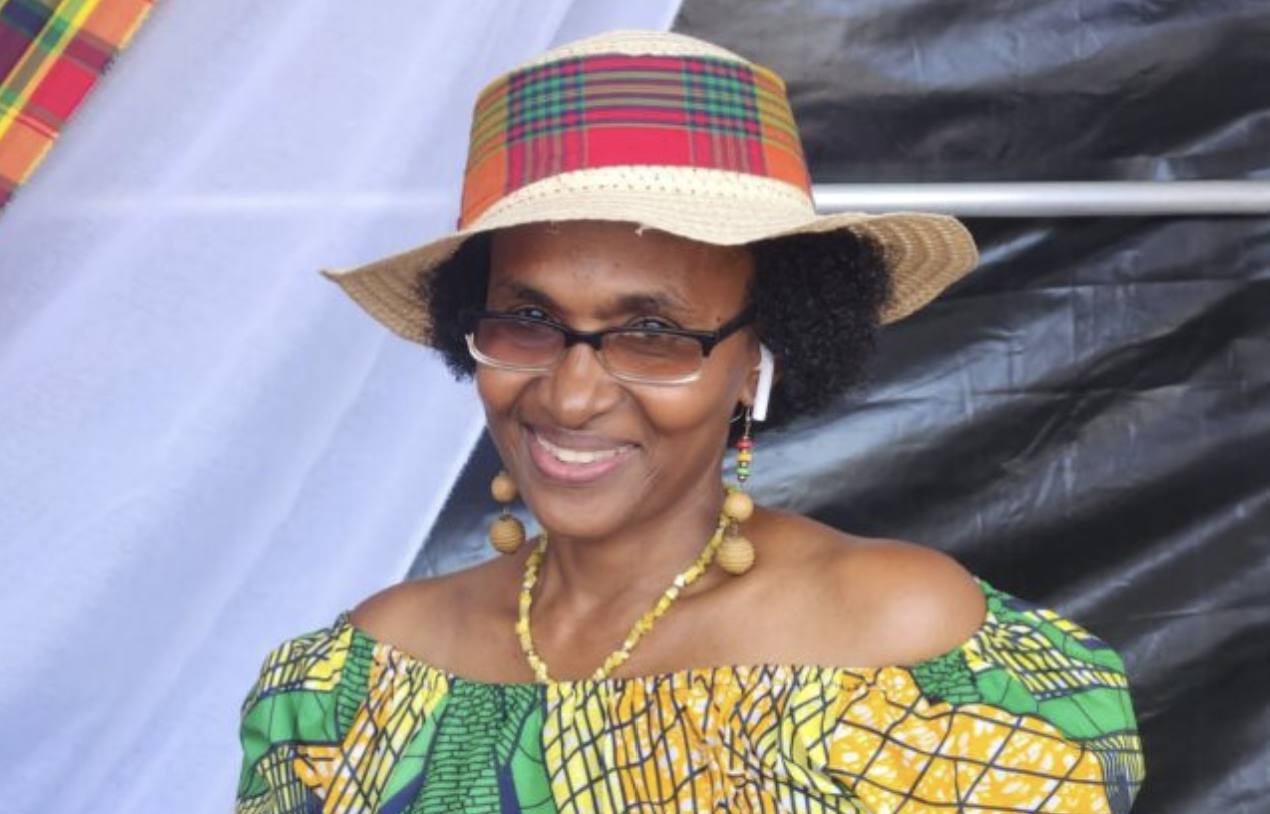
Roseau, Dominica – November 2026: Beverly LeBlanc, a veteran inclusive education consultant, instructional designer, disability rights campaigner and associate professor at Dominica State College, is calling for accessibility to be embedded as a non-negotiable foundational requirement at the earliest stages of Dominica’s ongoing digital transformation push, warning that any tech advancement that excludes disabled populations from independent use of public and private online services cannot qualify as genuine inclusive progress. With more than 30 years of on-the-ground experience in inclusive education, LeBlanc issued this formal public appeal shortly after returning from the global Internet Society Advocacy Workshop hosted in Brussels, Belgium, from October 13 to 15, 2026.
In a recent exclusive interview with RF Media Services, LeBlanc, who also serves as executive director of Circle of Friends, The Achievement Learning Center and ECAMM Education Consulting, described the Brussels convening as both a career-defining professional milestone and a deeply meaningful personal experience. As the sole delegate representing an English-speaking Caribbean nation at the global gathering, she brought Dominica’s unique local perspectives directly to high-level international deliberations on internet governance frameworks, digital human rights, and cross-border digital inclusion strategies. During a scheduled side visit to the European Parliament, she held targeted policy discussions with a sitting MEP on landmark EU regulatory developments, including the Digital Services Act, the Digital Fairness Act, and child online protection initiatives that set global benchmarks for equitable digital design.
The cross-border policy exchanges during the workshop reinforced LeBlanc’s longstanding core position that national digital transformation agendas must center people’s fundamental rights, universal access, and equal participatory opportunity, rather than prioritizing technical hardware rollouts and speed of deployment in isolation. The intensive workshop curriculum also equipped attendees with advanced advocacy skill sets, ranging from evidence-based persuasive communication with high-level government decision-makers, to crafting targeted public messaging that drives tangible policy change, and building cross-sector professional credibility for long-term advocacy impact. LeBlanc noted that the extensive networking opportunities with fellow accessibility advocates and digital rights practitioners from over 40 countries laid the groundwork for future cross-national collaborative partnerships to advance inclusive digital policy across small island developing states (SIDS).
LeBlanc emphasized that the principle of universal inclusion, long embedded in Dominica’s inclusive education policies, must now extend far beyond classroom walls into every layer of the digital ecosystem. She cautioned that a basic internet subscription or ownership of a smartphone or laptop does not equal meaningful digital access for disabled Dominicans, who regularly encounter unnavigable government portals, inaccessible e-service platforms, and unlabeled digital content that blocks independent use, forcing many to rely on third-party assistance to complete routine official transactions. She explained that internet governance encompasses the full set of policies, regulatory principles, and collective decisions that shape how digital infrastructure is built, operated, and governed, and that disabled people must be seated at the decision-making table rather than treated as passive end-users of services designed without their input.
LeBlanc further stressed that small island developing states like Dominica must actively contribute their local context to global internet governance discussions, to ensure that standardized global digital transformation frameworks do not exacerbate pre-existing socioeconomic and accessibility inequalities across marginalized communities. “If digital transformation is not accessible to persons with disabilities, then it is truly not inclusive transformation,” she stated clearly during the interview. As a concrete first-step policy recommendation, LeBlanc is urging the Dominican government to mandate that all public sector websites and state-run digital services fully comply with the globally recognized Web Content Accessibility Guidelines (WCAG), requiring features including full keyboard navigability, descriptive alt text for images compatible with screen reader tools, plain-language information formatting, closed captions for all public-facing video content, and built-in functionality that allows disabled users to complete all official online transactions fully independently.
Crucially, she argued that accessibility requirements cannot be retrofitted as an afterthought once digital platforms are fully developed, but must be integrated into the earliest design and development phases, with disabled end-users actively participating in usability testing and iterative evaluation of all new digital tools. LeBlanc outlined plans to scale up her existing “Bridging the Digital Divide” initiative, supported by her Internet Society fellowship, to facilitate structured cross-sector engagement with government ministries, disabled people’s organizations, local tech firms, and civil society stakeholders. The rollout will launch with a full national audit of all existing public digital services and government websites to map unaddressed accessibility barriers and prioritize targeted upgrades. She noted that the initiative will require dedicated technical expertise, sustained public funding, and long-term cross-sector collaboration, and called on the government to formalize accessibility mandates across all national digital policies, legislation, public procurement rules, and public service development workflows. She also urged educational institutions, technology vendors, civil society groups, and disability advocacy organizations to collaborate on public awareness campaigns, targeted accessibility training, and formal accountability mechanisms, ensuring disabled Dominicans are involved in every stage of the process, from identifying unmet access gaps, to co-designing solutions, to measuring the final real-world impact of new digital services.
LeBlanc added that her Brussels experience has deepened her personal commitment to ensuring Dominica retains full local agency over shaping its national digital future, with plans to integrate digital literacy, digital citizenship, and universal accessibility modules into all pre-service and in-service teacher education and professional development programs across the country. She reaffirmed that the core goal of inclusive digital policy is to uphold every individual’s right to independence, so that no Dominican is forced to rely on third-party assistance to access essential public services and exercise their full civil and digital rights. She concluded, “The country’s progress should be measured not only by its technological advancement, but also by how many people can meaningfully participate in the opportunities that technology creates.”
Beverly LeBlanc calls for digital accessibility to be included Dominica’s transformation