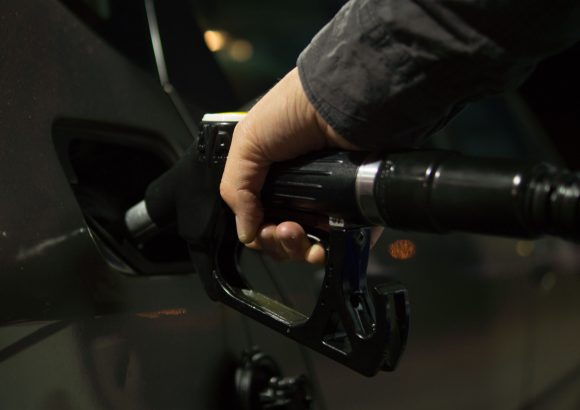
Santo Domingo – A high-profile industry and government gathering convened on Wednesday at Santo Domingo’s Hotel El Embajador, bringing together senior Dominican administration officials, leading private sector executives, economists, and industry stakeholders to unpack the cascading economic pressures of volatile global energy markets on local households and national fiscal frameworks. Titled “New Reality: Dominican Republic Facing the Global Impact on Fuels”, the forum centered on evaluating the long-term viability of existing consumer protection policies designed to buffer the public from steep fluctuations in cross-border fuel pricing. Industry and Commerce Minister Eduardo “Yayo” Sanz Lovatón laid out granular market data during his address, highlighting a counterintuitive recent trend: even as benchmark WTI crude oil prices dipped 3.3% from September to October, falling from $94.60 to $91.40 per barrel, premium diesel costs spiked 9.4% over the same window, climbing from $191.30 to $209.20 per unit. Sanz Lovatón broke down the full structure of local diesel pricing to contextualize the strain, noting that 70.8% of the final retail cost stems from international import expenses, 19.5% comes from applicable government taxes, and the remaining 10.7% covers legitimate distribution and marketing margins for local supply chain operators. The minister signaled that federal authorities are actively reviewing potential reforms to the country’s universal fuel subsidy program, with options on the table to redirect support to specific high-priority fuel types, vulnerable economic sectors, or low-income population groups rather than maintaining broad, blanket subsidies for all consumers. Finance and Economy Minister Magín Díaz corroborated the stark divergence between crude benchmark movements and end-user fuel costs, sharing cumulative 2024 (year-to-date) data showing that diesel retail prices have surged 130.2% since January, gasoline prices have jumped 87%, while underlying WTI crude prices have only risen 67.6% over the same period. Díaz outlined the significant fiscal commitment the Dominican government has already made to shield residents from these global shocks: since March 7, the state has deployed an average weekly fuel subsidy of 1.228 billion Dominican pesos, a figure that has risen to 1.5 billion Dominican pesos per week over the past 15 consecutive weeks to mitigate cost-of-living spikes. Forum attendees collectively discussed the near-term national economic outlook, weighing tradeoffs between continued broad consumer support, fiscal sustainability, and minimizing secondary inflationary impacts that could ripple across local transportation, agriculture, and small business operations. The full event coverage and related Dominican economic headlines are available via DominicanScope.
Officials discuss the impact of rising fuel prices in the Dominican Republic