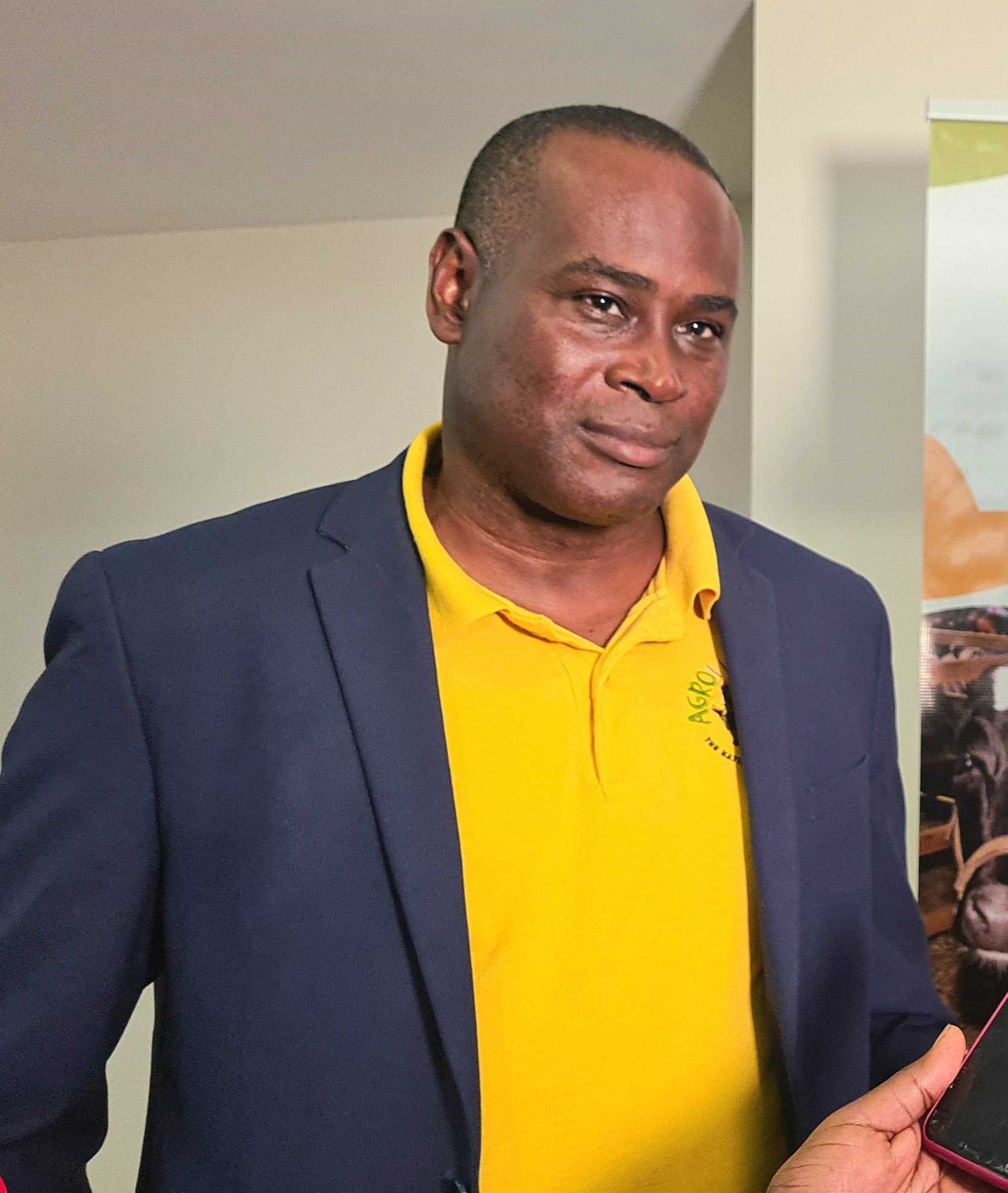
Henderson Williams, who serves dual roles as president of the Barbados Agricultural Society (BAS) and head of the national Pig Farmers Association, has issued a stark warning that unregulated, excessive pork imports are eroding local producers’ incentives to scale up output, even though the domestic pig farming sector already has the capacity to meet nearly all of the island’s population demand for pork products.
Williams voiced enthusiastic support for recent policy signals from Agriculture Minister Dr Shantal Munro-Knight, who confirmed that government officials are launching a formal review of pork and sugar import volumes. The BAS leader noted that this long-awaited regulatory action addresses a persistent, years-long pain point for local pig farmers, who have long argued that current import levels are far beyond any reasonable gap in domestic supply. While he acknowledged that a handful of highly specialized niche pork cuts are not yet produced locally, Williams emphasized that the vast majority of imported pork entering Barbados is entirely unnecessary and out of step with the sector’s current production capabilities.
Without targeted intervention to prioritize local producers in domestic markets, Williams cautioned, pig farming output will begin to shrink, as farmers will have no financial motivation to invest in expanding their operations. He pointed to the notable success of a BBD $2 million revolving loan fund rolled out under Prime Minister Mia Mottley’s administration, which has already allowed local pig farmers to upgrade their housing facilities, expand their herds, and adopt improved pig genetics that have significantly lifted overall industry productivity.
To further strengthen the local pork value chain, Williams is calling on Barbados’ hotel and tourism sector to partner more closely with domestic producers, leveraging a newly launched supply hub run jointly by the Barbados Hotel and Tourism Association, BAS, and the Barbados Agricultural Development and Marketing Corporation. He noted that while hotels have specific requirements for standardized, specialized pork cuts, local farmers are fully prepared to collaborate with hospitality operators to tailor their output to meet those exact specifications, as long as there is consistent, transparent communication between the two groups.
As a potential backup policy if initial import review measures do not deliver sufficient results, Williams proposed that the government extend the existing state-trading framework currently used for chicken imports to cover pork. Under this model, a single designated public entity would oversee all pork imports, requiring formal justification for any overseas purchases that could be fulfilled by local producers.
Looking ahead, Williams highlighted a promising, growing trend of young people under the age of 30, including many under 20, pursuing careers in agriculture, and expressed hope that more young entrants and women farmers will join the BAS to help build a more robust, inclusive, climate-resilient local food system that delivers lasting national food security.