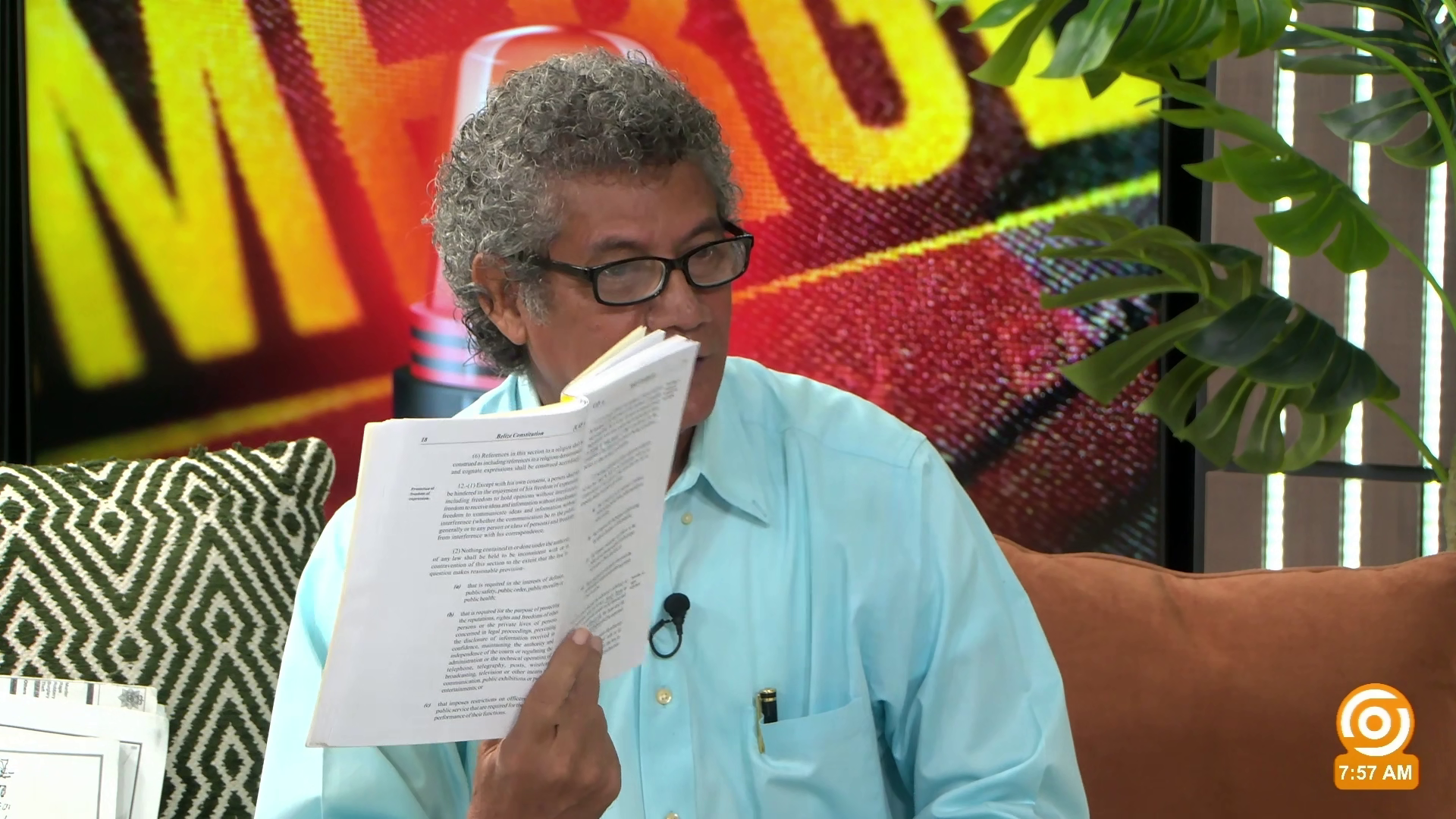
On November 3, 2026, prominent local attorney Richard “Dickie” Bradley issued a critical public advisory for thousands of residents set to navigate 30 days of expanded police authority under a newly declared State of Emergency (SOE), emphasizing that extraordinary public safety measures never supersede fundamental constitutional protections for ordinary citizens. As communities brace for heightened foot and vehicle patrols, warrantless targeted searches, and potential temporary detentions that come with the SOE framework, Bradley laid out clear boundaries for law enforcement conduct, pushed back against systemic police overreach, and challenged the core rationale for the current emergency declaration in a widely covered evening television news broadcast. Bradley stressed that while targeted temporary restrictions on movement and assembly are permitted under emergency legal frameworks, no provision of local law allows authorities to completely erase resident legal entitlements, even amid purported public safety crises. He called out what he described as a pervasive lack of legal literacy and disregard for judicial precedent within local police ranks, noting that even with five in-house legal counsel on staff, the department appears unaware of the explicit text of Section 5-3 of the national constitution. He highlighted repeated recent High Court rulings that have found prior police conduct during past security operations unlawful, ordering the state to pay financial compensation to wrongfully detained residents, and urged the public to pursue formal legal action to hold errant officers accountable for abuses of power. Bradley went on to condemn the current SOE as a performative, ineffective stopgap measure that local governing officials knew would not deliver meaningful long-term crime reduction, dismissing suggestions that the emergency window is being used to arrange policy consultations with international security figures such as El Salvador’s president Nayib Bukele. He emphasized that sustainable solutions to soaring local crime rates lie not in overbroad emergency policing powers, but in targeted investments to address root systemic gaps: persistent unaddressed socioeconomic inequality, fractured family support structures, and eroding community institutions including local faith organizations. Citing exhaustive past Court of Appeal reviews of SOE legal parameters, Bradley also reminded the public that the national constitution explicitly restricts valid State of Emergency declarations to contexts of large-scale natural disasters such as hurricanes or earthquakes, armed conflict, or active domestic insurgency — scenarios where basic daily access to essential services like grocery stores and medical care is fully disrupted, not routine street-level crime surges. The broadcast, which included segments delivered in local Kriol rendered with standardized spelling for accessibility, invited viewers to access the full unedited recording of the discussion via the news outlet’s official streaming portal.