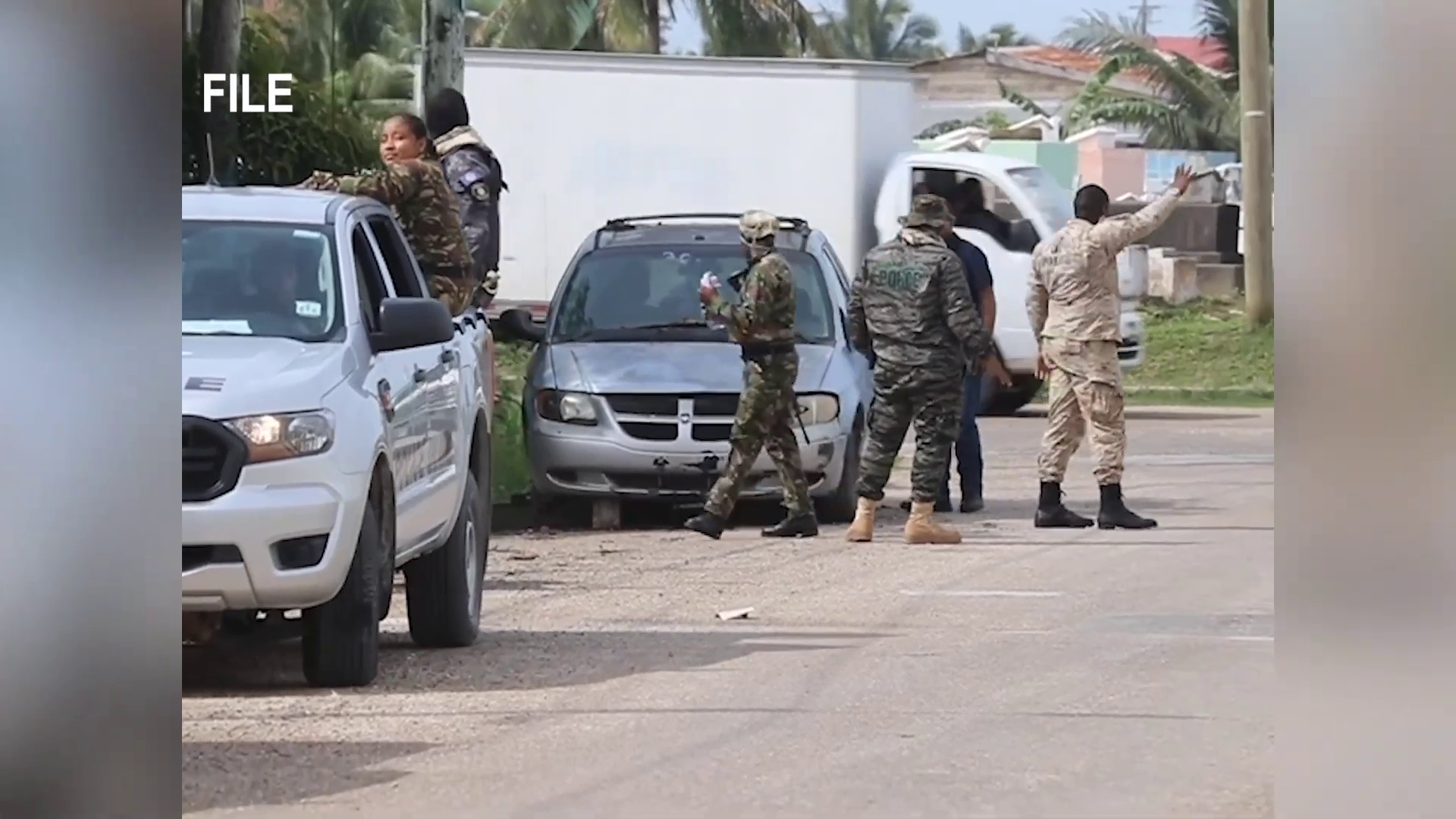
As of November 3, 2026, widespread public frustration is mounting across Belize, as nearly a dozen consecutive States of Emergency (SOEs) implemented by national authorities have failed to deliver sustained reductions in rampant violent criminal activity, according to prominent veteran attorney Richard “Dickie” Bradley. In a recent televised news interview, Bradley pushed back against the government’s repeated reliance on SOE measures as a default band-aid solution, arguing that policymakers are trapped in a cycle of rehashing the same short-term security tactics without addressing the deep-seated structural social and economic drivers that fuel gang recruitment and violent offending.
Bradley noted that local law enforcement estimates the core cohort of high-risk gang-linked individuals driving most violent incidents in the country numbers no more than 150 to 200 people, yet successive SOE deployments have not moved the needle on long-term public safety, with overall violent crime rates actually worsening in recent years. He emphasized that the ongoing, severe cost-of-living crisis pushing large swathes of the Belizean public into financial precarity is creating a ticking time bomb: if no meaningful systemic interventions are rolled out before the start of 2027, surging desperation among disenfranchised communities will spark an even sharper, unmanageable spike in criminal activity. The legal advocate also criticized law enforcement leadership for failing to present comprehensive, long-term public safety frameworks to government officials, instead only pushing for repeated SOE extensions that do nothing to resolve the root causes of unrest. The broadcast notes that any Kriol language segments of the original interview were transcribed using a standardized, accessible spelling system for public clarity, with the full unedited newscast available for viewing on the outlet’s official platform.
A Dozen SOEs, But Is Belize Any Safer?