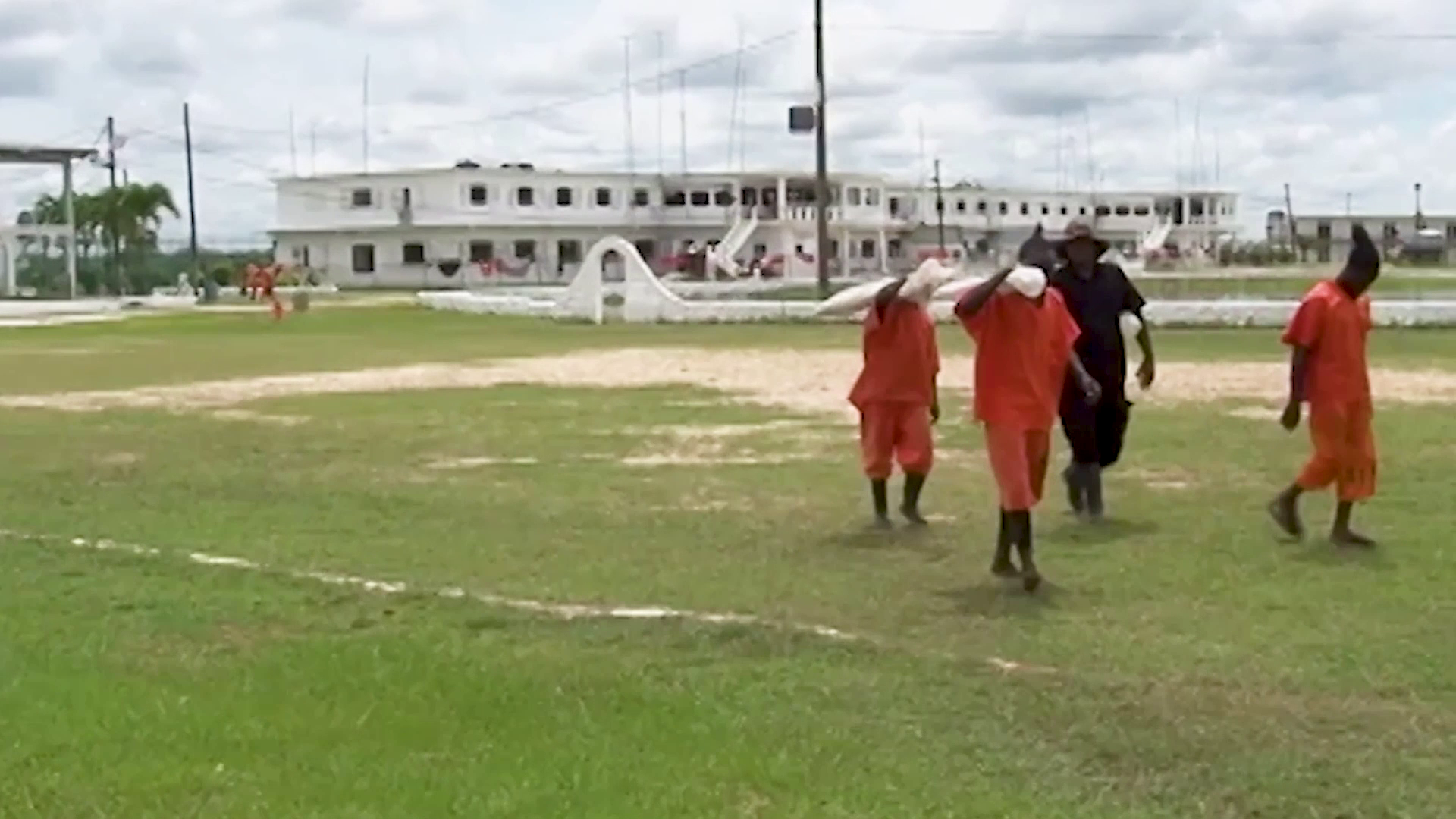
A cascading crisis of understaffed mental health services has thrown Belize’s judicial operations into disarray, as a nationwide shortage of public-sector psychiatrists forces court-ordered psychiatric evaluations to be delayed for months on end, derailing trials and robbing both defendants and crime victims of timely access to due process. The systemic failure was thrust into public view last month when 2025 Christmas violent attack defendant Kareem Anderson was released after spending nine months in pre-trial detention without ever receiving the mandatory psychiatric assessment required to move his case to trial, walking free without facing formal prosecution for the alleged offenses against two women. The high-profile case exposed a stark structural rift between Belize’s legal framework and its overstretched public health infrastructure: while courts retain full authority to mandate pre-trial psychiatric screenings for eligible defendants, the underresourced mental health system lacks the capacity to fulfill those court orders in a reasonable timeframe. As Francis Woods, Chief Executive Officer of local correctional services nonprofit the Kolbe Foundation, confirmed in a phone interview, at least five additional inmates are currently stuck waiting for their court-mandated evaluations, with the single assigned government psychiatrist only able to visit the national prison once or twice per month. Woods explained that correctional staff regularly step in to coordinate directly with courts to flag urgent cases for priority scheduling, but the limited availability of medical personnel makes it impossible to clear the growing backlog. The staffing gap extends far beyond prison walls: Belize’s entire public mental health system operates with just five full-time psychiatrists, a team made up of local Belizean specialists and medical professionals deployed via the Cuban Medical Brigade, supported by only 13 psychiatric nurse practitioners spread across the entire country. Kevin Bernard, Belize’s Minister of Health and Wellness, confirmed that the government has launched an urgent recruitment campaign to fill vacant mental health roles, with active applications under review for candidates from Mexico, two independent Cuban psychiatrists seeking work permits, and formal cabinet approval already secured to expand the number of funded positions for psychiatric nurses and other frontline mental health workers. While a visiting psychiatrist completed evaluations for four inmates last week, correctional and legal officials have not disclosed how long those individuals had waited for their screenings. Longtime practicing attorney Richard “Dickie” Bradley noted that even defendants who are granted bail to leave pre-trial detention are often forced to pay out of pocket for private psychiatric assessments to move their cases forward, a barrier that disproportionately impacts low-income defendants. Bradley added that the crisis has deep historical roots, noting that at one point, more than 90 people with unaddressed severe mental health needs were housed in a single prison wing, a situation he described as “like a horror movie” with some individuals detained for years without ever receiving the evaluations required to process their cases. While the immediate backlog of inmates awaiting assessments has shrunk slightly in recent weeks, the core systemic flaw remains: evaluations cannot be completed fast enough to keep dockets moving, and as the Kareem Anderson case demonstrated, extended delays can ultimately result in cases being dismissed entirely before they ever reach trial. Woods emphasized that hiring even two or three additional psychiatrists would drastically improve the court system’s ability to make evidence-based decisions about appropriate sentencing, diversion to mental health treatment, and case resolution. The Ministry of Health and Wellness also notes that the ongoing recruitment push and planned launch of telehealth mental health services later in 2026 will expand access to care for the general public beyond the justice system, but for defendants currently stuck in the queue for evaluations and victims waiting for their day in court, every additional week of delay extends their time in legal limbo.